

Home & Decor Blogs: DIY, Interior Design & Lifestyle Ideas
How to Avoid Unexpected Costs When Moving Cross-Country

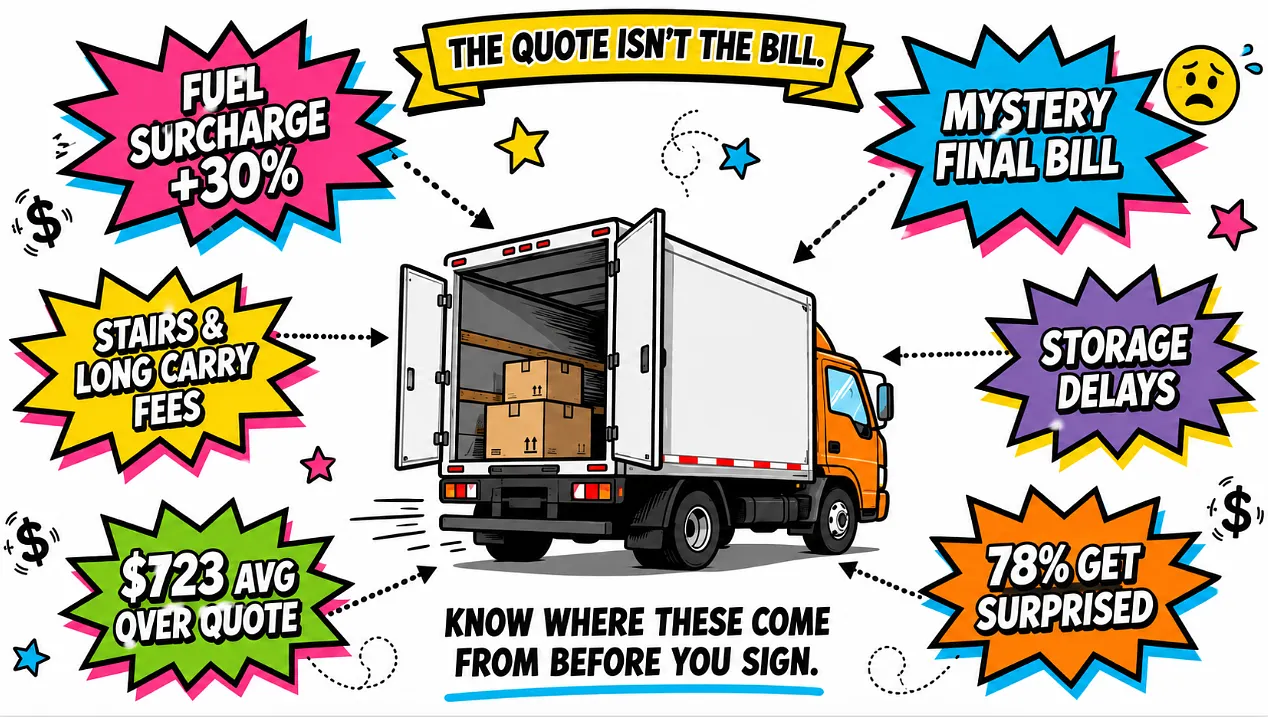
The budget you’re presented with seems like a reasonable one, only to be blown to a staggering size by additional fees like fuel surcharges, storage charges and the “mysterious” service charges on your final bill. It’s too late for most people to realise until they’re in the commitment. The hope: You can avoid all the chaos if you plan ahead and read the fine print.
According to research in February 2025, almost three out of four movers (78%) encountered some unpleasant surprises along with their move, and 60% stated that simply moving was too expensive. It is not a ‘weird outlier’ number, it is a trend and that is what this guide is about.
Let’s get into the why behind those numbers, otherwise you can’t manage what you don’t know.
Cross-Country Moving Costs: What’s Actually Driving Your Budget
Understanding how much moving cross country cost is not only helpful, it is your first step in avoiding over paying to move cross country. Typically, moving long distance costs between $4,400 and $17,000, depending on distance, volume of move and services chosen. That’s because the range is broad, the stakes are high and that’s why it matters so much to know what you’re getting into!
The Big Three Cost Drivers
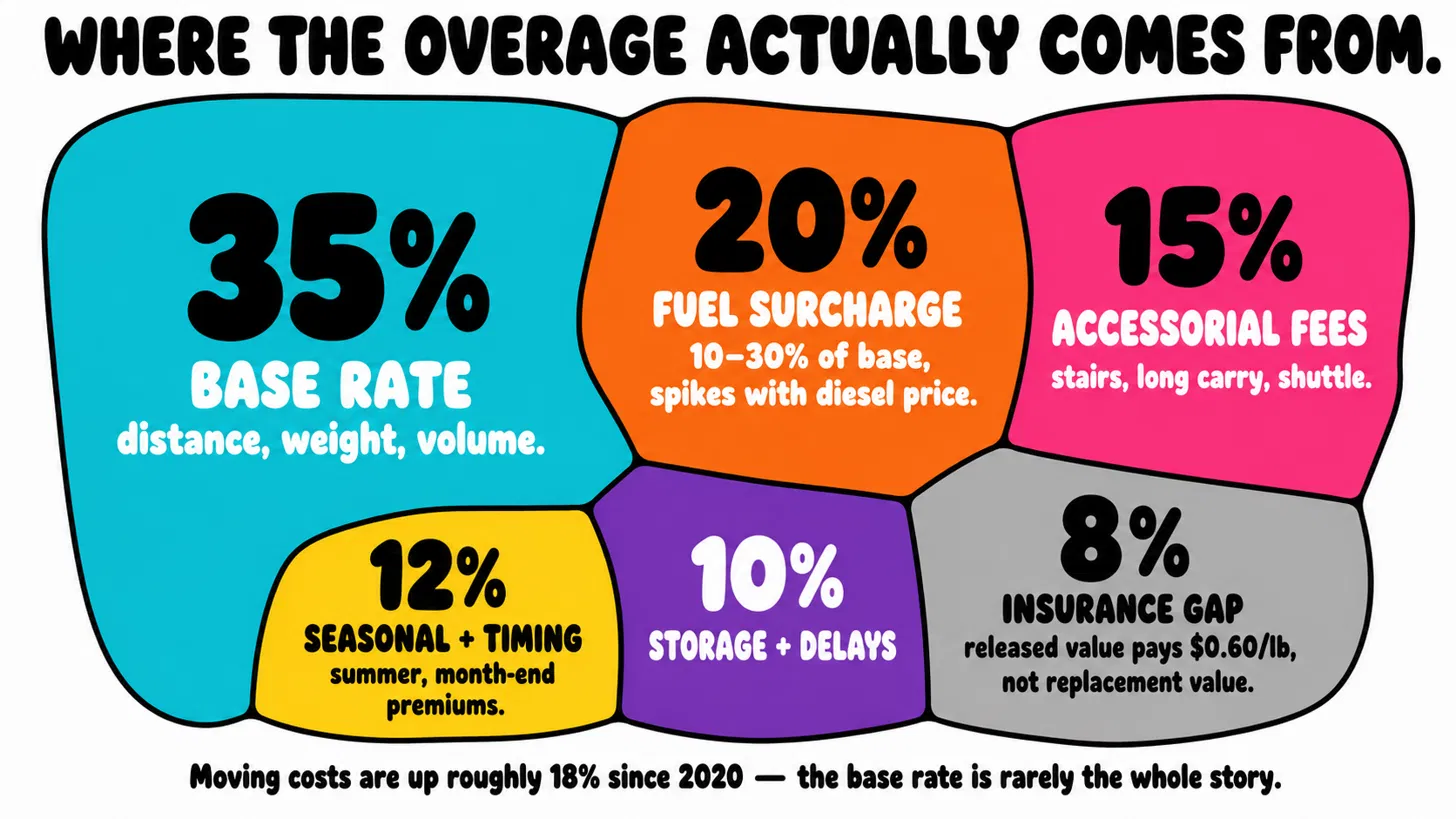
The big movers of any long distance quote are distance, weight and volume. The further it is carried, and the more there is, the higher your base rate goes. There’s another factor, too: dates in the summer season and dates at the end of the month are often more expensive because there’s a higher demand.
Accessorial fees are then there, too. There are other costs that people often don’t count on upon receiving the initial estimate, such as stairs, long carries, use of the elevator, and using a shuttle service.
The Hidden Charges Nobody Warns You About
Though distance and timing make up the main part of your quote, the true sources of extra cost are to be found in the small print. Things like insurance gaps, delays due to storage, permits that are specific to a city, and fuel surcharges can gradually add hundreds, sometimes even thousands, to the amount you originally thought was fixed. It is useful to know where the costs are concealed. But it is only by taking action about this that real leverage is achieved.
Budget Cross-Country Move: What Actually Works
Book Early, Choose Dates Wisely
Mid-week, mid-month scheduling during fall or winter tends to dodge the seasonal pricing surges that catch summer movers off guard.
The Federal Motor Carrier Safety Administration strongly recommends verifying a mover’s licensing before signing anything. It protects your belongings and protects your budget from operators who cut corners.
Declutter Before You Price Anything
Here’s something a lot of movers skip: cutting down what you bring directly shrinks what you pay. Selling, donating, or tossing items you don’t actually need reduces your shipment’s weight and volume, which lowers your quote in real, measurable ways. Less stuff equals less money. It really is that straightforward.
Smarter Strategies to Dodge Financial Surprises
Downsizing is a great first move. But truly protecting yourself from bill shock requires sharper evaluation of quotes and methods before you commit.
Demand Transparency in Every Estimate
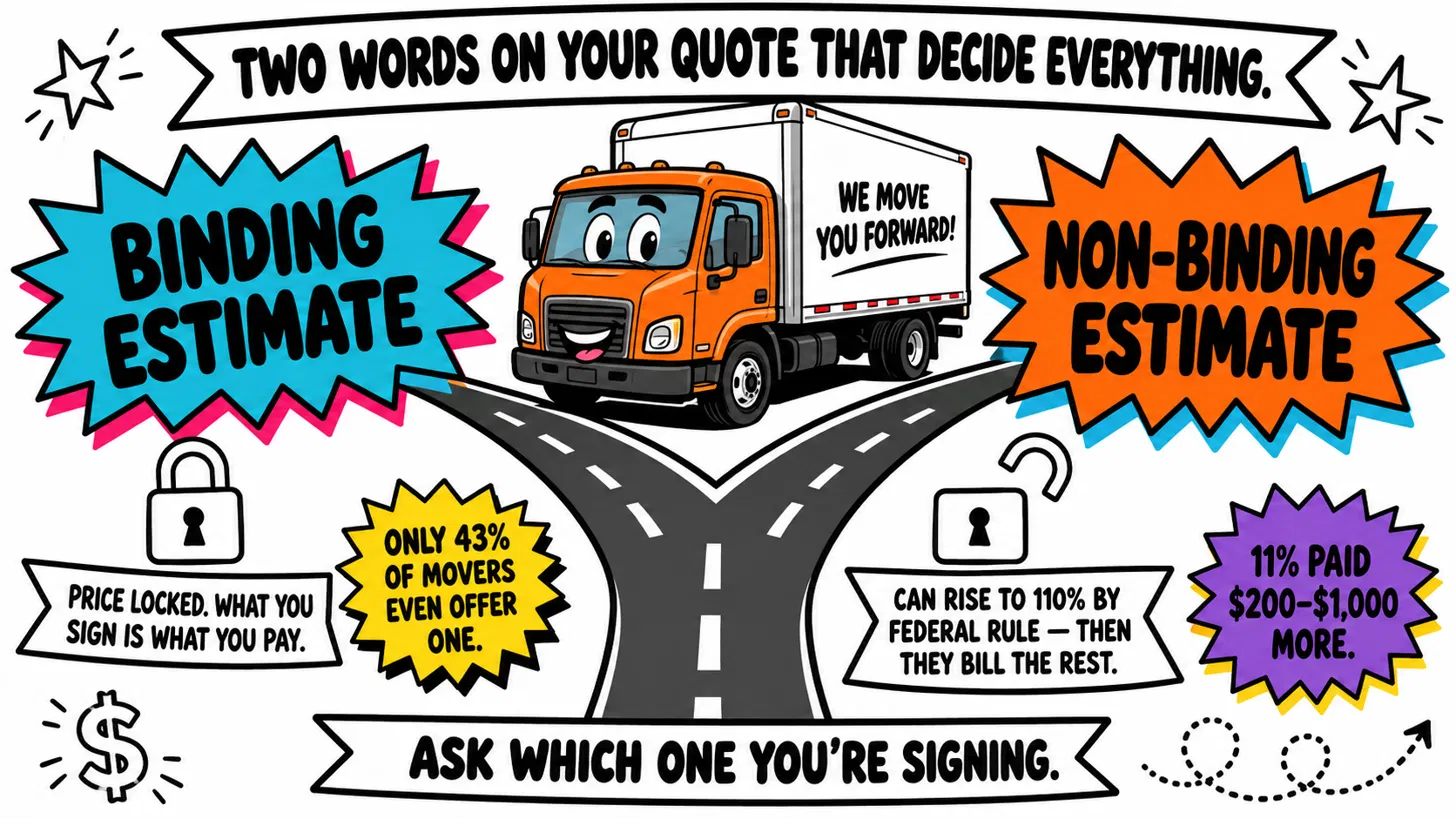
Do not take an estimate without doing a survey or assessment in person or virtually. Non-binding estimates allow for extras that are added to the price at delivery time, while binding estimates do not. Review any contract closely for ambiguous line items, weight adjustment provisions, etc. that may turn your bill upside down.
Consider a DIY or Hybrid Approach
Knowing how to read a quote is powerful. Choosing not to need the full-service package can be even more powerful. The 2025 Moving Survey from This Old House found that flexibility, control, and cost savings ranked as the top reasons people chose partial-service models.
Unexpected Moving Costs: How to Prepare for the Curveballs
Keep a Contingency Buffer Ready
Plan for 10–15% above your quoted estimate. Road closures, last-minute packing supplies, unplanned hotel nights- these things happen more often than anyone likes to admit. Having the buffer means a surprise doesn’t become a crisis.
Don’t Underestimate Insurance
Released value protection is included free but pays out only $0.60 per pound per item. Full value protection costs more, but it actually covers replacement value. For anything high-value, it’s worth the premium.
Moving Day Checklist: Catching Costs Before They Catch You
Preparation gets you this far. Execution is where it either holds together or falls apart.
Verify Everything Before the Truck Leaves
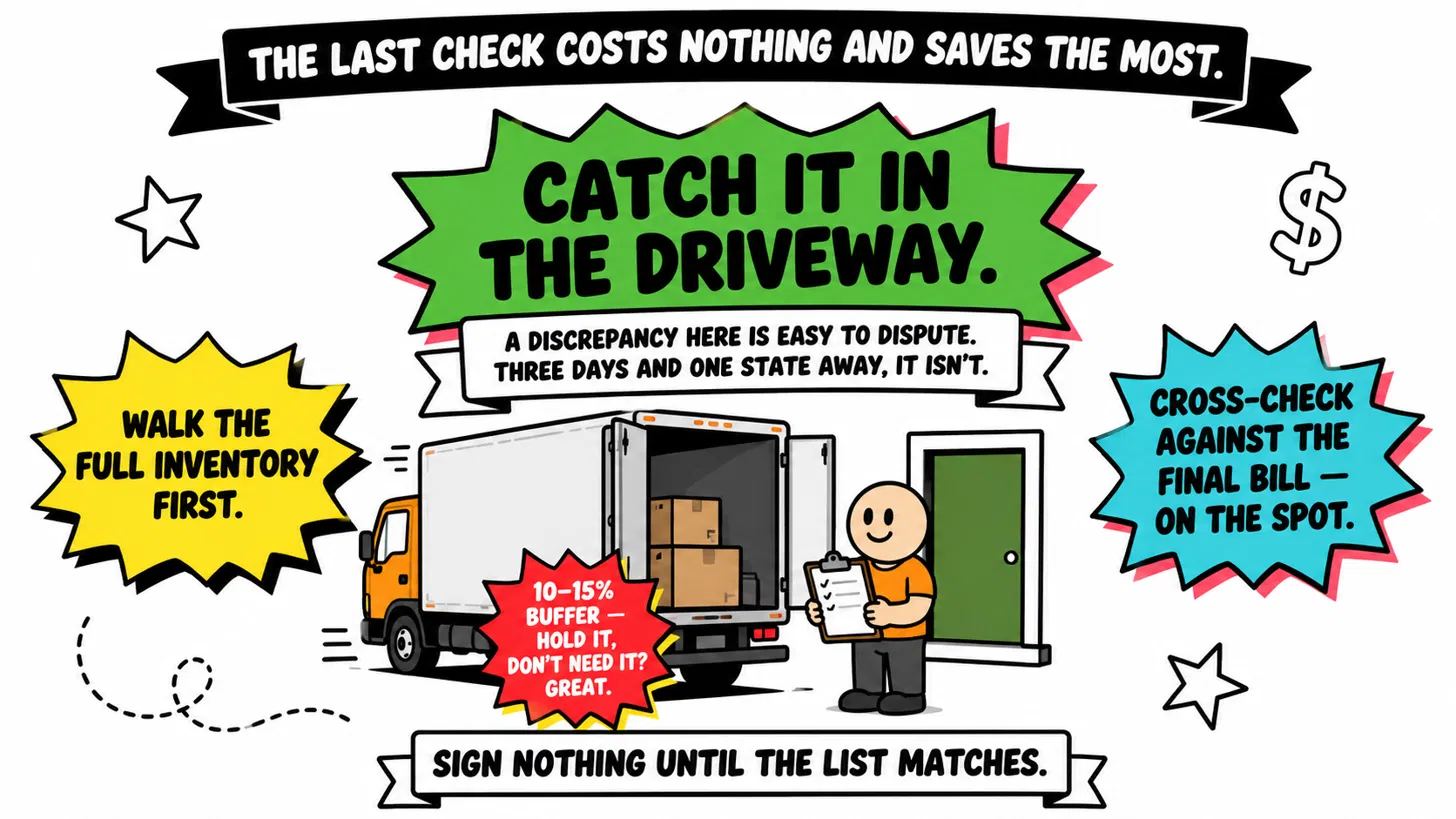
Walk through your entire inventory with the movers before anyone drives away. Cross-reference your list against the final bill on the spot. A discrepancy you catch in the driveway is infinitely easier to dispute than one you notice three days later from a different state.
Move Smart, Spend Less, Arrive Ready
Understanding cross-country moving costs, planning, decluttering intentionally, and scrutinizing every estimate before you sign- these aren’t complicated moves, but they’re the ones that genuinely keep your budget intact.
A budget cross-country move isn’t about going cheap. It’s about making decisions that are actually informed rather than reactive. Use what’s here, plan before the chaos hits, and you’ll land at your destination without the financial regrets.
Drop your questions or experiences in the comments; I would love to hear how your move goes.
Your Biggest Cross-Country Moving Questions, Answered
What is the best way to travel the country without blowing the budget?
Get rid of lots of items, book out of hours and pack yourself if necessary, hire movers just to move. When comparing no less than three licensed movers, you’ll find competitive pricing without sacrificing reliability.
What do I need to pack for a cross country move?
Avoid items such as plants, perishable foods, hazardous materials, and low value items. They add a lot of weight and do not contribute to safety; they are more expensive to transport than to just get replaced when you get here.
Is it possible to negotiate with moving companies?
Yes, and the majority of people don’t even bother. Specifically inquire about price matching, off-season pricing, or flexibility-based discounts. Discounts are commonly offered for military and student relocations and for corporate relocations, but are usually not publicized.
 Decor & Improvement Accessories