

Home & Decor Blogs: DIY, Interior Design & Lifestyle Ideas
How to Decorate with Statement Lighting: Timeless Ways to Add Character and Warmth to Your Home

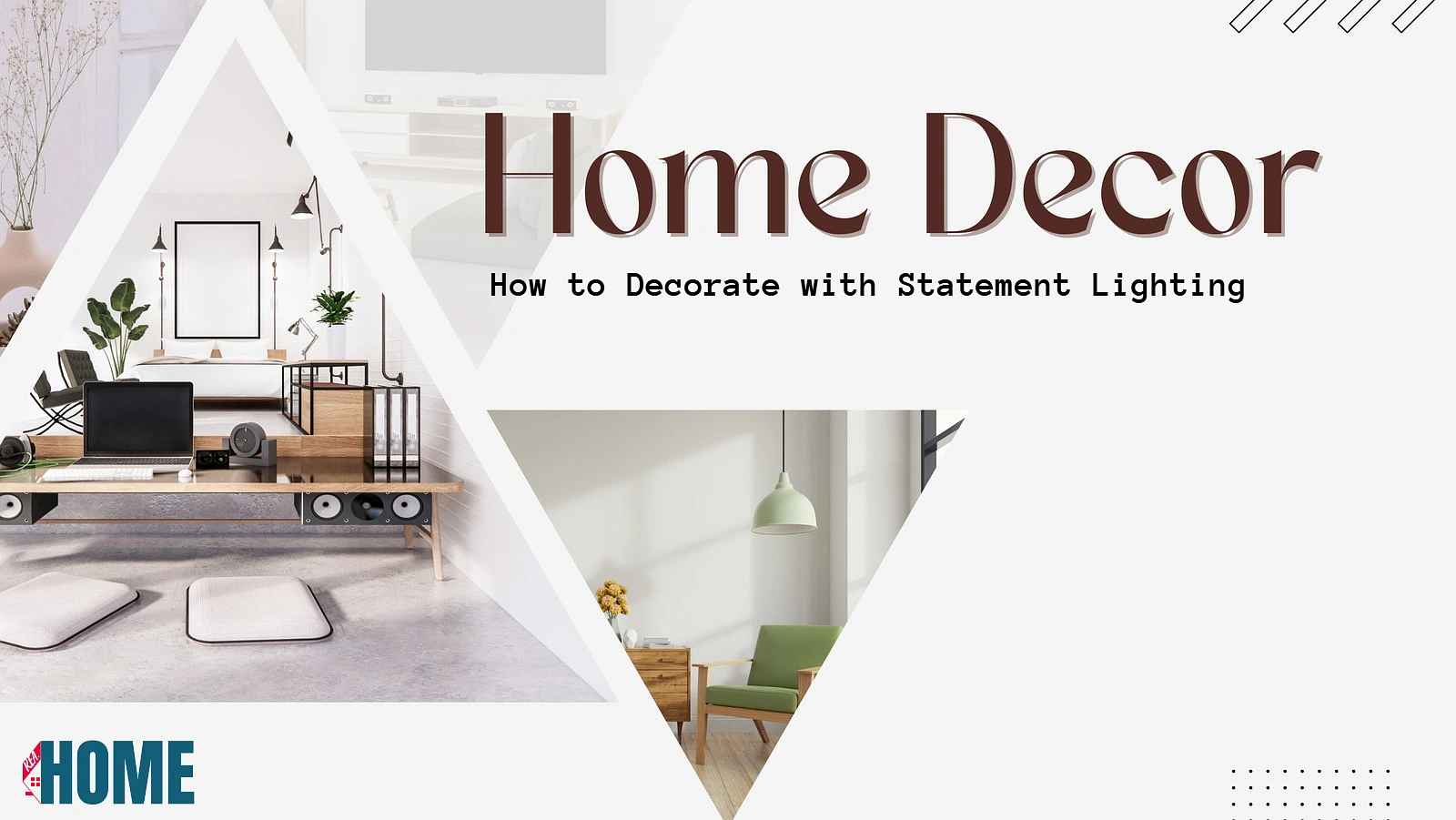
A beautifully decorated home is rarely defined by furniture alone. The smaller details, from carefully chosen artwork to decorative accessories and lighting, often make the biggest difference in how a room feels. Among these details, lamps have a special ability to combine practical function with personal style.
The right lamp can soften a dark corner, create a comfortable reading space, highlight a favorite piece of furniture, or become an eye-catching feature in its own right. Unlike purely decorative objects, lighting also changes how colors, textures, and materials appear throughout the day.
This is one reason statement lighting has remained an important part of interior design. Homeowners are increasingly looking beyond basic illumination and choosing fixtures that bring personality and visual interest into their spaces. From sculptural contemporary designs to traditional lamps with colorful glass shades, there are plenty of ways to make lighting an integral part of a room’s identity.
The key is knowing how to choose a design that complements the rest of the interior without making the space feel crowded or overly coordinated. Whether you are refreshing a single room or decorating an entire home, these ideas will help you use statement lighting to create a more inviting and distinctive environment.
1. Understand the Role of Lighting in Interior Design
Before choosing decorative lamps, it helps to understand the different purposes lighting serves in a home. A well-lit room usually combines several types of illumination rather than depending on one central ceiling fixture.
Ambient Lighting
Ambient lighting provides general illumination throughout a room. Ceiling fixtures, recessed lights, and some larger floor or table lamps can contribute to this layer.
Its purpose is to make the space comfortable to use without creating harsh contrasts between bright and dark areas.
Task Lighting
Task lighting is designed for specific activities. Desk lamps, bedside reading lights, and adjustable floor lamps are common examples.
The light should be positioned to support the activity without creating unnecessary glare or shadows.
Accent Lighting
Accent lighting draws attention to particular features, such as artwork, architectural details, bookshelves, or decorative objects. It can add depth and help establish a focal point.
Decorative Lighting
Decorative lighting contributes to the room’s visual character as well as its illumination. A sculptural table lamp, an artistic floor lamp, or a colorful glass shade can become a design feature even when the light is switched off.
The most successful interiors balance these functions. A statement lamp may provide accent lighting while also adding personality, but it should still work alongside the room’s general and task lighting.
2. Explore the Beauty of Stained Glass Lighting
Some lighting designs have an appeal that goes beyond their shape or finish. Stained glass lamps are a good example because their shades combine color, pattern, and craftsmanship in a way that ordinary fabric or metal shades cannot quite reproduce.
Individual pieces of colored glass are assembled to create decorative patterns. When illuminated, the glass filters the light and brings out different tones and textures, creating a warm, distinctive effect.
Many people associate this style with the historic lamps produced by Tiffany Studios in the late nineteenth and early twentieth centuries. Their designs often featured natural subjects such as flowers, leaves, and dragonflies, alongside geometric patterns inspired by the decorative arts of the period.
The tradition remains popular because it offers something different from minimalist lighting. A colorful shade can become a focal point, while the intricate pattern gives the lamp visual interest even when it is not illuminated.
A stained glass lamp can work particularly well in a room that needs a distinctive decorative element without requiring a major furniture or color-scheme change.
When choosing one, consider:
- The dominant colors in the glass and how they relate to the room.
- The overall height and width of the lamp.
- Whether the base complements the furniture and other materials.
- How the shade looks both illuminated and switched off.
- Whether the lamp provides enough light for its intended purpose.
It is also worth distinguishing original antique Tiffany Studios pieces from contemporary Tiffany-style or stained-glass reproductions. They may share visual influences, but they are not the same in age, origin, or value.
3. Choose a Statement Lamp That Suits the Room
A lamp that looks beautiful in a showroom may not necessarily work in every part of the home. Its size, light output, and decorative character should suit the room where it will be used.
Living Room: Create a Comfortable Focal Point
The living room is one of the easiest places to introduce a decorative lamp. It often contains a mixture of seating, tables, textiles, artwork, and accessories, giving you plenty of opportunities to create visual connections.
A table lamp on a side table can add warmth beside a sofa, while a floor lamp can illuminate a reading corner or a darker part of the room.
If the room already has bold artwork or patterned upholstery, choose a lamp that complements those features rather than competing with them. In a simpler interior, a more colorful or sculptural design can provide the contrast the space needs.
Bedroom: Make the Space Feel Relaxing
Bedroom lighting should support comfort and convenience. Bedside lamps are particularly useful because they provide localized illumination without requiring the main ceiling light to remain on.
Matching lamps on either side of a bed can create a balanced appearance, especially in symmetrical layouts. However, different lamps can also work if they share a similar height, visual weight, or color palette.
For a more relaxed atmosphere, choose warm-toned bulbs where compatible with the fixture and consider shades that diffuse light rather than exposing a bright bulb directly.
Home Office: Combine Style with Practicality
A home office needs effective task lighting, but that does not mean every fixture must look purely functional.
A decorative desk lamp can add personality while providing useful illumination. Position it so that it lights the work surface without creating glare on a monitor or casting shadows from your writing hand.
In a workspace with limited desk area, a floor lamp or wall-mounted fixture may be a better solution.
Dining Room: Add Warmth to the Surroundings
Dining rooms often rely on a pendant or chandelier above the table, but additional lamps can make the surrounding space feel more layered.
A lamp on a sideboard or console can provide a softer glow before and after meals. It can also highlight decorative objects, framed photographs, or a carefully arranged collection of ceramics.
Keep the lamp’s proportions in mind so it does not overwhelm the furniture or interfere with the room’s main lighting.
4. Use Color to Connect Lighting with Your Interior
Color is one of the most effective ways to make decorative lighting feel intentional. A lamp does not need to match the room exactly, but its colors should have some relationship with the surrounding palette.
For example, a shade featuring green and amber tones can complement earthy interiors with natural wood, warm neutrals, and plants. Blue and cream glass can work well in rooms with softer coastal influences, while red or orange accents can introduce warmth into a restrained color scheme.
There are several ways to make these combinations work.
Repeat one color: Pick a shade from the lamp and repeat it in a cushion, artwork, rug, or decorative object.
Use complementary neutrals: If the lamp has a detailed or colorful shade, keep nearby surfaces relatively simple so the design can stand out.
Create controlled contrast: A colorful lamp can add interest to a room dominated by neutral shades, but avoid introducing too many unrelated accent colors.
Consider the base material: Bronze, brass, dark metal, and wood finishes can all influence how the lamp relates to the rest of the room.
A useful decorating technique is to choose one or two colors from a statement lamp and use them subtly elsewhere. This creates cohesion without making the entire room look like a matching set.
5. Mix Vintage-Inspired Lighting with Contemporary Furniture
You do not need a period-style home to enjoy traditional decorative lighting. In fact, one of the most interesting ways to use a vintage-inspired lamp is to place it in a modern interior.
The contrast between old and new can make both elements more noticeable.
Imagine a colorful glass lamp sitting on a simple contemporary side table. The table provides a clean visual foundation, while the lamp introduces texture, craftsmanship, and color.
The same idea works with other combinations:
- A traditional decorative lamp beside a streamlined sofa.
- A sculptural glass shade on a minimalist wooden console.
- A vintage-inspired lamp in a modern home office.
- A classic bronze base paired with contemporary artwork.
- A colorful table lamp in a room with neutral furniture and simple architectural lines.
The important thing is to maintain balance. If the lamp is visually elaborate, give it enough space to stand out. Avoid surrounding it with numerous competing accessories.
6. Understand Scale and Placement Before Buying
A lamp can be beautiful and still look wrong if its proportions do not suit the furniture. Scale is particularly important for table lamps because they are usually placed beside seating, on consoles, or on bedside tables.
Before buying, measure the surface where the lamp will sit and consider the height of the furniture around it.
For bedside lamps, think about the relationship between the shade and the mattress. Ideally, the light source should be positioned so that it is comfortable to use while sitting or reading in bed.
For living room side tables, consider the height of the sofa arms and nearby seating. A lamp that is too short may disappear visually, while an oversized one can dominate the arrangement.
Placement also affects how the room feels.
- Use lamps to brighten darker corners.
- Avoid placing decorative lamps where they obstruct movement.
- Leave enough tabletop space for everyday objects.
- Position reading lamps where their light reaches the intended area.
- Give particularly detailed lamps enough visual breathing room.
If you are unsure about size, use a temporary object of similar dimensions to visualize the lamp on the furniture before ordering.
7. Layer Different Lighting Sources for a More Inviting Room
One of the most common interior-design mistakes is relying entirely on overhead lighting. A single bright ceiling fixture can make a room functional, but it may not create the relaxed atmosphere many homeowners want.
Layering several lighting sources gives you more control.
For example, a living room might include recessed ceiling lights for general illumination, a floor lamp beside the sofa for reading, and a decorative table lamp on a sideboard for accent lighting.
The combination allows the atmosphere to change depending on the activity. Brighter lighting may be useful during cleaning or entertaining, while softer lamps can make the room more comfortable in the evening.
When planning layered lighting, consider the following:
Vary the height: Combine ceiling fixtures, table lamps, and floor lamps to distribute light at different levels.
Avoid excessive brightness: More light is not always better. The goal is comfortable visibility rather than illuminating every surface equally.
Use compatible color temperatures: Bulbs with similar color temperatures generally create a more consistent atmosphere.
Consider dimming: Dimmable fixtures or compatible smart bulbs can make it easier to adjust the mood.
Think about shadows: Place lamps so they reduce harsh dark areas rather than creating additional visual clutter.
8. Select Bulbs That Complement the Lamp
The bulb can influence the appearance of a lamp just as much as its shade or base. The wrong bulb may make the light too harsh, too dim, or visually uncomfortable.
Before purchasing a bulb, check the lamp’s specifications for the required fitting, maximum wattage, and compatibility.
LED bulbs are often a practical option because they generally use less electricity than traditional incandescent bulbs and have a long operating life. However, not every LED bulb is compatible with every dimmer or decorative fixture.
Color temperature is another important consideration.
- Warm white: Often creates a relaxed atmosphere and works well in bedrooms and living rooms.
- Neutral white: Can suit multipurpose spaces where a balance between warmth and clarity is useful.
- Cool white: May be appropriate for certain task-oriented environments, although it can feel less cozy in decorative living spaces.
For lamps with colored glass shades, test how the bulb affects the appearance of the glass. A shade may look different under warm and neutral lighting, so the best choice depends on the colors and effect you want.
9. Care for Decorative Lamps to Keep Them Looking Beautiful
Decorative lamps often contain materials that require more careful handling than ordinary plastic or metal fixtures. Glass shades, intricate bases, and delicate finishes should be cleaned according to the manufacturer’s instructions.
A few simple habits can help:
- Switch off and unplug the lamp before cleaning.
- Allow the bulb and fixture to cool before handling them.
- Use a soft, dry cloth for routine dusting.
- Avoid abrasive materials that could scratch the glass or finish.
- Do not use harsh chemicals or acidic cleaners unless the manufacturer specifically recommends them.
- Check electrical cords, plugs, and fittings periodically for signs of damage.
For stained-glass shades, take particular care around the joints and metalwork. Avoid excessive pressure, moisture, or products that could damage the finish or construction.
If a lamp develops an electrical fault, do not continue using it. Have it inspected or repaired by a qualified professional.
10. Make Lighting Part of Your Personal Decorating Style
The most memorable interiors are not necessarily the ones that follow every design trend. They are the ones that reflect the people who live in them.
Lighting gives you an opportunity to express that personality. Someone who appreciates traditional craftsmanship may prefer a detailed glass shade or a classic metal base. Another homeowner may favor sculptural contemporary designs, simple ceramic forms, or minimalist floor lamps.
You can also use lighting to introduce a style gradually. If you are unsure about decorating an entire room around a particular aesthetic, begin with one distinctive lamp and build the rest of the space around it.
A few ideas include:
For an Arts and Crafts-inspired home: Combine natural wood, earthy colors, textured fabrics, and decorative glass lighting.
For a mid-century-inspired interior: Look for clean silhouettes, warm materials, and simple shapes that complement the furniture.
For a contemporary home: Use sculptural lamps as focal points against restrained walls and uncluttered surfaces.
For an eclectic interior: Mix different periods and materials while maintaining a consistent color relationship.
The best approach is to choose pieces that genuinely appeal to you and then give them enough room to work within the overall design.
Frequently Asked Questions
Are decorative lamps suitable for modern interiors?
Yes. Decorative lamps can add warmth and individuality to modern spaces. A traditional glass shade or sculptural base can create an interesting contrast with clean-lined furniture and simple color palettes.
What makes stained glass lamps different from ordinary table lamps?
Stained glass lamps use assembled pieces of colored glass to create decorative shades. When illuminated, the glass filters the light and brings out its colors and patterns, giving the lamp a distinctive visual character.
Where should I place a statement lamp?
Popular locations include bedside tables, living room side tables, console tables, desks, and sideboards. Choose a location where the lamp provides useful illumination and has enough space to be appreciated visually.
Do decorative lamps provide enough light for reading?
Some do, but not all. The amount of usable light depends on the shade design, bulb, fixture specifications, and positioning. Check the manufacturer’s guidance and choose a suitable task lamp if reading is the main purpose.
How do I choose the right lamp size?
Consider the height and width of the furniture, the available tabletop space, and the lamp’s intended use. The shade should be proportionate to the surface and should not obstruct movement or dominate nearby furniture.
Can I use LED bulbs in stained glass lamps?
Many stained-glass lamps can use LED bulbs, but compatibility depends on the lamp’s socket, maximum wattage, and manufacturer requirements. Check the product instructions before choosing a bulb.
How should I clean a stained glass lamp?
Switch it off, unplug it, and allow it to cool. Use a soft cloth and follow the manufacturer’s care instructions. Avoid abrasive materials, excessive moisture, and harsh chemicals that could damage the glass, solder joints, or metal finish.
Final Thoughts
Good lighting does much more than make a room easier to see. It influences the atmosphere, highlights the materials around it, and gives an interior another opportunity to express its personality.
Statement lamps are especially useful because they bring together function and decoration. Whether you prefer clean contemporary forms, vintage-inspired details, or the intricate colors of stained glass, the right design can make an ordinary corner feel considered and complete.
Start with the way you use each room, choose lighting that supports those activities, and then look for shapes, finishes, and materials that complement your furniture. By combining practical illumination with thoughtful design, you can create a home that feels warmer, more personal, and inviting long after the sun goes down.
 Decor & Improvement Accessories