

Home & Decor Blogs: DIY, Interior Design & Lifestyle Ideas
How to Design Grand And Luxurious Residential Spaces

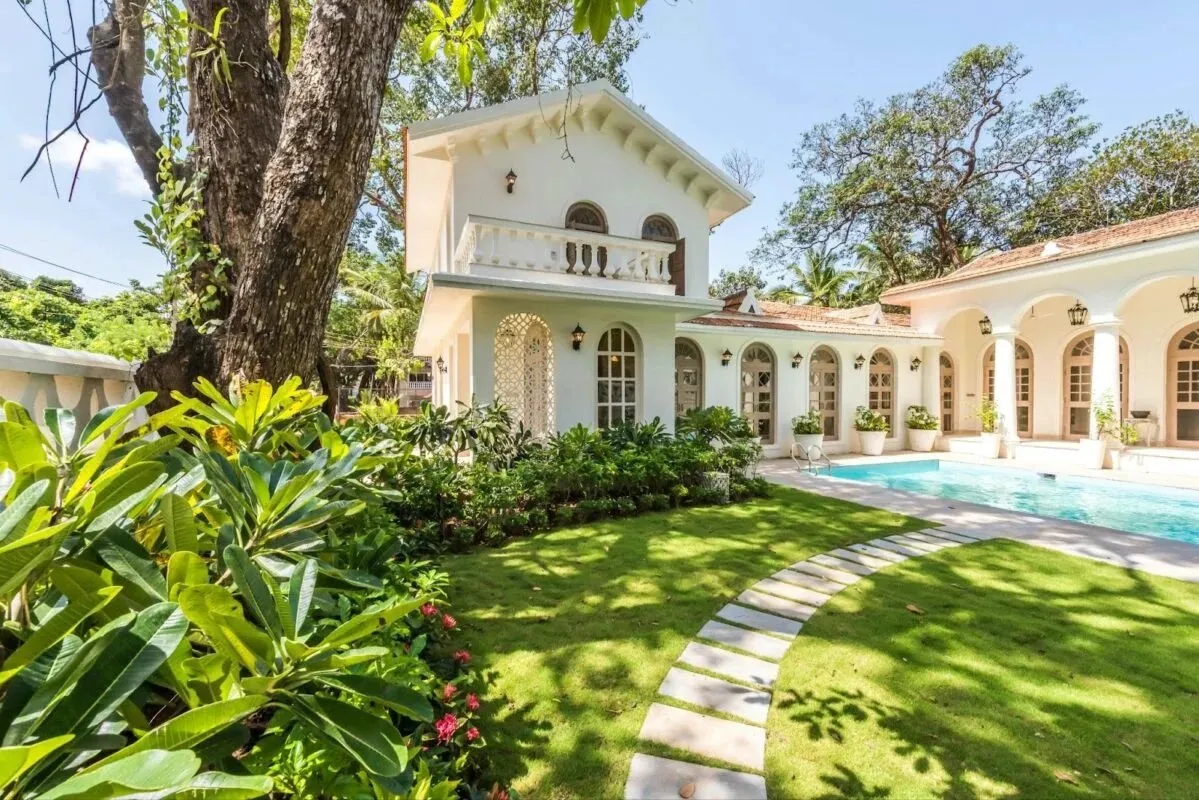
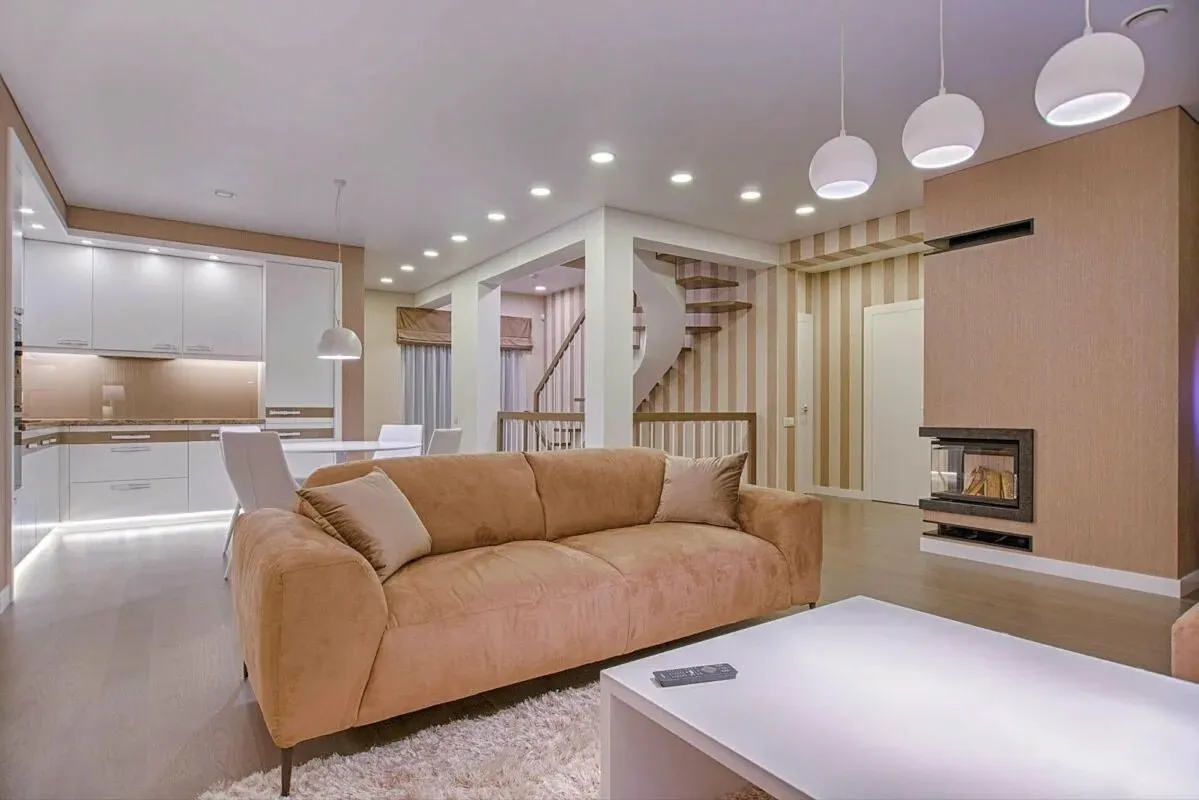
Somebody builds a 7,000-square-foot house, fills it with imported marble and custom cabinetry, and the whole place still feels like a hotel lobby. Not in a good way. You walk through it and nothing connects. The living room is enormous but uncomfortable. The kitchen opens into a dining area that somehow feels cramped despite being twice the size it needs to be. Everything is expensive and none of it works together.
That’s the gap between a big house and a luxurious one, and it has almost nothing to do with what you spend. It’s judgment. It’s knowing that a 10-foot ceiling in one room means something different than a 10-foot ceiling in another room with completely different proportions. It’s understanding that where the light falls at 4pm matters as much as what tile you pick for the bathroom.
A well-designed grand home feels effortless when you’re in it. Not because it was easy to build because every decision had a reason behind it.
Get the Proportions Right First
This is boring to talk about compared to finishes and furniture, but it’s the single thing that separates great architecture from expensive architecture. Ceiling height, room width, window scale, door proportions these relationships determine how a space feels before a single piece of furniture shows up.
Ceiling height is the big one. The National Building Code has 8 feet as the standard, and most houses built before the 1980s stuck to that. Newer luxury house plans builds have moved to 9 and 10 feet as baseline, and there’s real financial reasoning behind it a study by the National Association of Home Builders found homes with 9-foot-plus ceilings sell for about 6% more than those with 8-foot ceilings. In Atlanta’s Dunwoody area, one real estate study put that premium even higher at around 11%.
And it’s not just about resale. Research by Joan Meyers-Levy and Rui Zhu published in the Journal of Consumer Research (2007) demonstrated that high ceilings actually prime people toward feelings of freedom and abstract thinking, while lower ceilings triggered more confined cognitive processing. Your brain genuinely functions differently depending on how much vertical space surrounds you. In a home meant for relaxation and creativity, that’s a significant design input.
But and this is where expensive houses go wrong all the time taller ceilings aren’t automatically better. A 14-foot ceiling over a narrow room just makes you feel like you’re standing in a very fancy elevator shaft. The ratio between height, width, and window placement is what creates the sense of openness. Mess up any one of those three and the room feels off, even if every surface in it costs a fortune.
Pay attention to sightlines early on. Stand at the entry point of your floor plan and trace where your eye naturally goes. Through a far window to a garden. Toward a staircase with clean geometry. Into a double-height space that opens up ahead of you. That first visual pull sets the tone for the entire house, and it’s determined during architecture, not interior design.
Floor Plan Logic
More square footage with bad planning just creates rooms you pass through to reach other rooms. Big houses amplify layout problems everything that’s slightly inconvenient in a 2,000-square-foot home becomes genuinely annoying at 5,000 square feet. That’s why thoughtfully developed mansion floor plans exist. They’re not about adding rooms. They’re about making sure the rooms you have relate to each other properly.
Public versus private. That split is the foundation of any large residence layout. Your entertaining spaces kitchen, dining room, living areas, terrace access should flow into each other on the main floor. Guests move naturally between them without needing directions. Bedrooms, personal offices, family rooms belong in different wings or on upper floors. The boundary should be architecturally obvious, not something you enforce by closing doors.
Sound gets overlooked in nearly every floor plan I’ve seen go wrong. A few common acoustic disasters that show up in large homes:
- Media room directly below the primary bedroom: movie bass travels straight through the floor
- Home gym sharing a wall with a formal dining room: weights and treadmills during a dinner party
- Open kitchen adjacent to a home office with zero buffer: blenders, conversations, everything carries
- Kids’ playroom above the living room without subfloor insulation: self-explanatory
Think about what’s above, below, and beside every room. Not just what’s next to it on the plan view.
Service circulation is another thing that separates houses designed by architects from houses designed by square footage. Can you carry groceries from the garage to the kitchen without walking through the living room? Can someone do laundry without crossing an entertaining space? Is there a secondary staircase for staff or family to move between floors without using the main entry stair? In anything over 4,000 square feet, these aren’t luxury features. They’re functional requirements.
Entries and First Impressions
A lot of money gets wasted on foyers. Triple-height ceilings, oversized chandeliers, marble floors that echo like a bank lobby. None of that communicates quality. It communicates budget.
Sequence is what actually works. A driveway that gradually reveals the front façade rather than hitting you with the full house immediately. A covered entry with solid architectural proportions good stone, real timber, clean lines that creates presence without competing for attention. Then a foyer that opens with controlled natural light and one confident design element. Not five. One. A staircase with beautiful joinery. A sculptural pendant. A framed view through to the garden.
Materials at the entry need to feel honest. Natural stone underfoot. Solid wood at the door. People register the difference between real materials and imitations within seconds, even if they couldn’t explain why. And the entry shouldn’t reveal everything at once the best foyers give you a hint of what’s coming, a glimpse through to deeper spaces, and let the house unfold as you walk through it.

Choosing Materials That Last
Here’s where expensive homes get it backwards constantly. They pick everything for how it looks on installation day the glossiest surface, the most flawless grain, the shiniest hardware. Then five years in, that perfection starts looking tired instead of lived-in.
Materials worth investing in for long-term luxury:
- Hardwood (oak, walnut, teak) Darkens and enriches over years. Scratches sand out. Lasts generations.
- Natural stone (marble, limestone, quartzite) Each piece unique. Develops subtle surface character with use.
- Uncoated brass or bronze hardware Patinas naturally. Factory “aged” finishes never look the same.
- Full-grain leather Softens, creases, gets more comfortable and more attractive at the same time.
- Lime plaster walls Depth and texture that painted drywall can’t replicate. Ages beautifully.
- Solid timber doors and joinery The weight alone communicates quality. You feel it when you close the door.
On the practical end, durability isn’t just for budget homes. If your marble countertop can’t handle a red wine spill without a crisis, it’s wrong for a kitchen no matter how gorgeous it looks. High-traffic zones need materials that resist scratching and staining without constant maintenance. A luxury home shouldn’t require you to tiptoe around your own house.
Getting Lighting Right
Single overhead fixture in a large room. Disaster. Every time. It flattens everything, throws ugly shadows into the corners, and makes a beautiful space feel like a commercial office at 2am.
Layers. That’s the whole answer. Ambient light sets the base mood soft, warm, even. Task lighting goes where people actually do things: reading chairs, kitchen prep, desk areas. Accent lighting picks out the parts worth noticing artwork, a textured wall, architectural details.
Dimmers should be on everything. A living room with 12-foot ceilings needs to feel bright and open during the afternoon but warm and close after sunset. Wall sconces soften a dining room around the edges of a central fixture. Perimeter lighting turned low in the evening turns even tall volumes into something intimate.
Don’t forget about daylight. Window placement, glass sizing, which direction rooms face relative to the sun path these decisions happen at the architecture stage and they can’t be fixed later with better lamps. A living room that faces west gets blinding glare every evening. A bedroom facing east means sunrise at 5:30am in summer. These are design decisions, not decoration problems.
Hiding the Technology
The global smart home market was valued at roughly $127 billion in 2024 and it’s growing rapidly In luxury markets, it’s expected. A Vivint survey found 62% of respondents said smart features increase a home’s resale value. High-end residential clients in places like Manhattan, Miami, and the Hamptons typically spend 5–10% of a property’s value on technology integration for a 5,000-square-foot luxury home, that’s $100,000 to $300,000 for a complete system.
The money is well spent when the technology disappears. It’s wasted when you walk into a house and see panels, wires, and devices everywhere. Proper integration means:
- Speakers flush-mounted into ceilings, invisible from below
- All wiring run inside walls during construction, not retrofitted after
- Motorized shades retracting into hidden ceiling pockets
- Screens recessing into cabinetry or furniture when not in use
- One centralized system running climate, lighting, audio, and security
- Voice control and phone interfaces replacing wall-mounted panels
Pre-set scenes wake up, entertain, movie, away are standard now in high-end builds. They let people manage complex systems without thinking about the machinery behind them. If a guest walks into your house and notices the technology before they notice the space, something went wrong.
Indoor-Outdoor Connection
A grand house that stops working at the exterior walls is wasting probably a third of its potential. Outdoor living areas are actual rooms people eat in them, gather in them, spend entire evenings in them during good weather. And the numbers support investing here seriously.
ROI for different outdoor features:
| Feature | Typical ROI | Worth Knowing |
|---|---|---|
| Patio (built from scratch) | 80–100%+ | Higher when designed for entertaining |
| Patio (refurbished) | Up to 500% | Low spend, huge perceived value boost |
| Outdoor kitchen | 100–200% | Best returns in warmer climates |
| New wooden deck | ~80% | Composite and pressure-treated lumber hold up longest |
| Deck repair | Up to 400%+ | Fraction of new-build cost |
| Fire pit or fireplace | 50–78% | Extends outdoor season into cooler months |
| Pergola | ~50% | Prefab options cut install costs dramatically |
Covered terraces let you host regardless of weather. An outdoor kitchen with a grill, sink, and refrigerator kills the constant trips back inside during a dinner party though if resale matters to you, skip niche extras like wood-fired pizza ovens that the next owner might not care about.
The real trick is visual continuity. Match interior flooring tones with exterior hardscaping. Use wide glass openings sliding walls, folding door systems so the boundary between inside and outside blurs. When the terrace reads as part of the living room rather than an attached afterthought, the entire property feels larger and more intentional.
Landscaping pulls it together. Native plants matched to your climate. Stone pathways and retaining walls for structure. Strategic outdoor lighting that extends usability into the evening hours. The outdoor areas should feel as deliberately designed as the interiors because in a properly planned residence, they are.
The Whole Point
Grand doesn’t mean complicated and luxury doesn’t mean excess. The houses that feel genuinely impressive ten years after they’re built are the ones where somebody thought carefully about proportions before picking finishes, planned the layout around real daily life instead of impressive room counts, chose materials that would get better instead of worse, and kept the technology invisible.
You can’t buy that kind of coherence with a bigger budget. You get it by making fewer, smarter decisions and being honest about how you actually live in the space.
 Decor & Improvement Accessories