

Home & Decor Blogs: DIY, Interior Design & Lifestyle Ideas
How to Keep Your Backyard Shed From Becoming a Pest Hideout

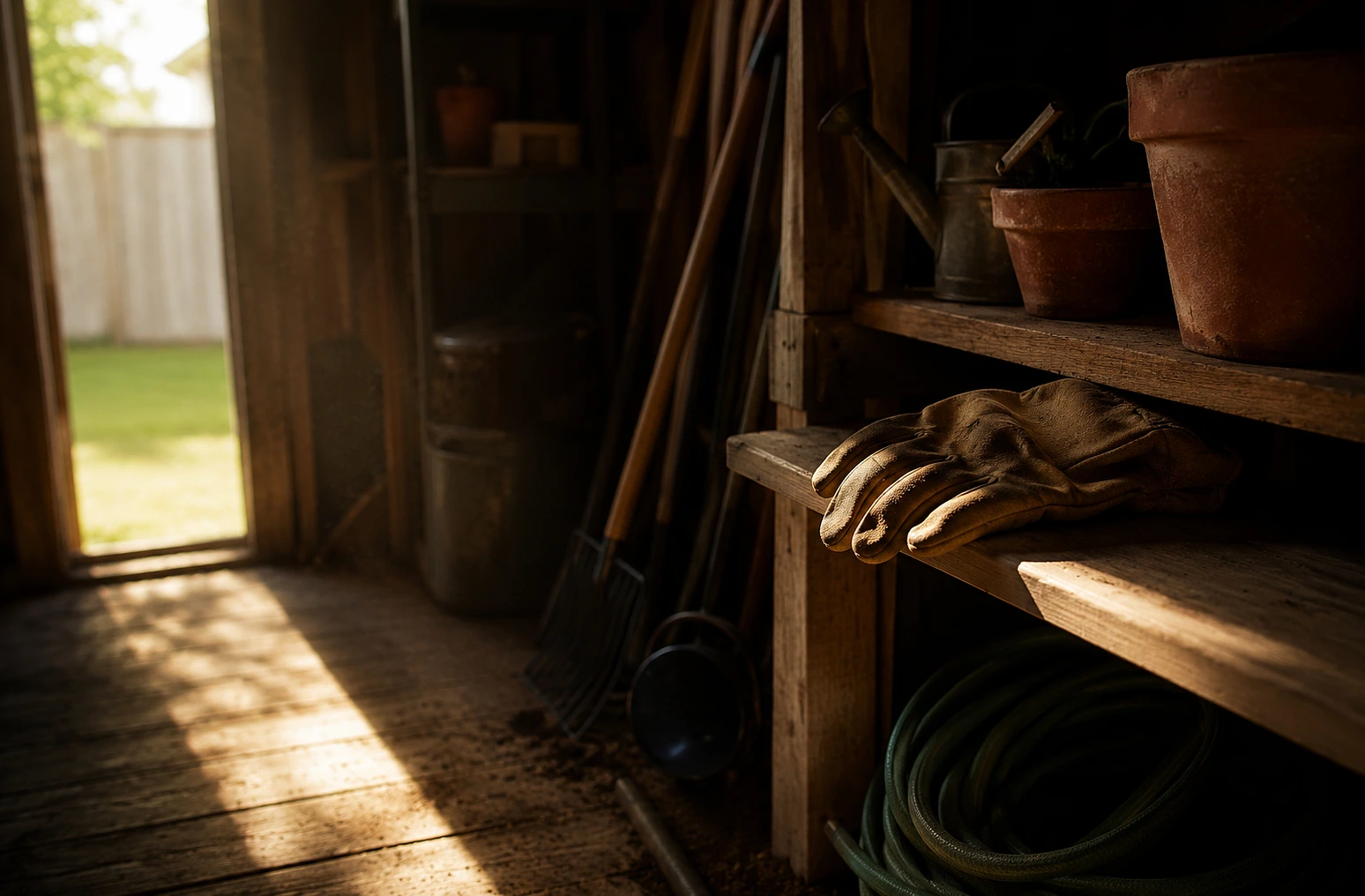
Seal every gap wider than a credit card, keep food and moisture out of the shed, and check it three times a year. That’s the whole answer, and the rest of this article is why each part matters more in the East Valley than almost anywhere else.
Picture late October in Gilbert. First cool morning in months. You open the shed to grab the work gloves that have been sitting on the shelf since May, and something in the back of your head says shake them out first. You do. A bark scorpion drops out of the left glove, hits the floor, and disappears under the shelving unit before you’ve finished saying the word you said.
Anyone who has lived around Gilbert long enough has a version of that story, or knows someone who does. The shed is usually where it happens. Not the house. The shed.
There’s a reason for that, and it’s worth understanding, because the fix is mostly cheap and mostly boring.
The Shed Is the Best Real Estate on Your Lot, If You’re a Scorpion
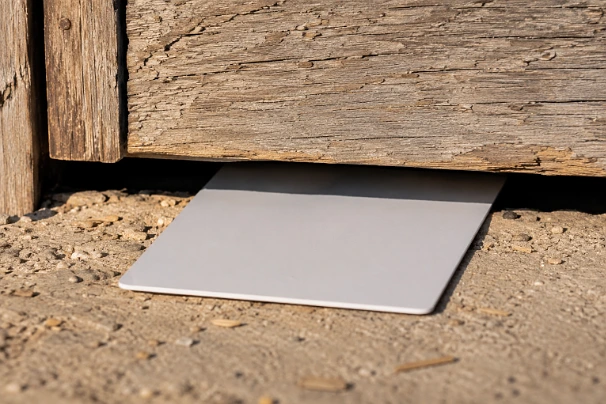
Think about what a bark scorpion or a roof rat is looking for in a Phoenix-area summer. Shade. Stillness. Gaps to slip through. A little moisture. No humans stomping around. The shed has all of it. On a July afternoon, a shaded shed interior can sit 20 to 30 degrees cooler than the open yard, and unlike the house, no one opens the door for weeks at a time.
Then monsoon season hits, roughly July through September, and floods the block wall voids and landscape rock where scorpions shelter during the day. They move to the nearest dry structure. Often that’s the shed before it’s the house. Roof rats run the same play on a different calendar: from about October through April, when the citrus thins out, they move toward warm covered spaces, and a shed with a birdseed bag in it is a jackpot.
The part that surprises people is how little opening they need. A bark scorpion slips through a gap thinner than a credit card. A mouse gets through a hole the size of a dime. So the question is never really whether your shed is dirty. A spotless shed with a quarter-inch gap under the door is still an open invitation. The question is whether they can get in, and whether there’s anything worth staying for once they do.
Start at the door. Shed doors in Arizona shift with the heat cycle faster than most owners expect, and a gap that wasn’t there in spring is there by September. Stand inside with the door closed. If you can see daylight anywhere around the frame, that’s the front entrance. Door sweep, weather stripping, tightened hinges. For gaps in the walls or around pipe openings, skip the foam-only fix, because rodents chew straight through it. Steel wool or hardware cloth backed with exterior caulk holds.
If the shed sits on a raised floor, the void underneath is the part everyone forgets. Cool, dark, protected. Prime scorpion and rodent territory. Clear out the leaves and stored junk under there and block the access points, checking first that you’re not sealing something inside.
And build the one habit that actually matters in scorpion country: shake out anything soft or dark before you reach into it. Gloves, boots, folded tarps, cushion folds. Two seconds. Cheap insurance.
What You Keep in There Decides Who Moves In
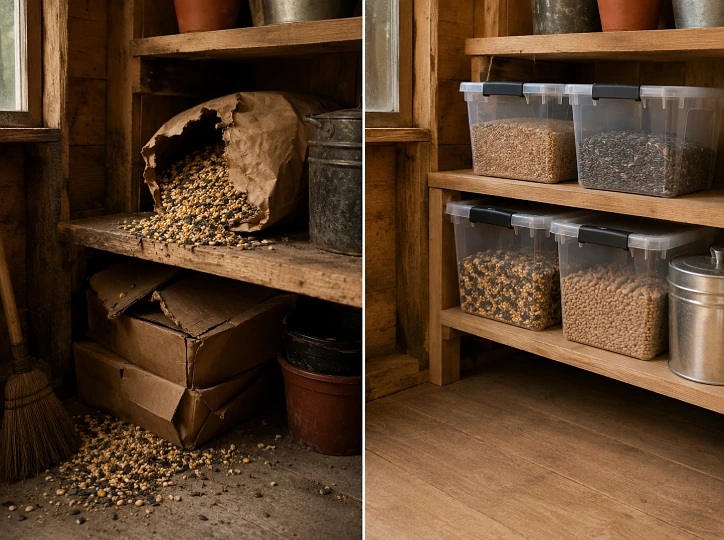
Sealing handles the “can they get in” half. What’s stored inside handles the “will they stay” half, and this part is quicker to fix than most people think.
Birdseed, grass seed, and pet food in original bags are the big three. A roof rat goes through a paper sack in one night. Anything edible goes in hard plastic or metal with a tight lid, no exceptions.
Cardboard is the other quiet offender. It soaks up moisture, softens, and turns into both food and nesting material. The boxes of holiday decorations that sit untouched for eleven months are exactly the kind of undisturbed cover pests want. Plastic bins with locking lids, items up off the floor on shelves or hooks, and suddenly the shed has nowhere left to hide. Clutter isn’t really a storage problem. It’s an inspection problem: when everything sits in piles, you can’t see the droppings, chew marks, or webbing that would have told you about a problem while it was still small.
Moisture rounds it out. Even in the desert, a drip emitter soaking the shed base or a damp patio cushion stored wet creates the water source that ants, roaches, and subterranean termites are all hunting for, and termites in the East Valley are not a theoretical risk. Let tools dry before they go in. Keep sprinkler spray off the walls. If the shed smells musty, something is wet somewhere, and it’s worth finding before something else finds it first.
Outside, the same logic extends a few feet past the walls. Fallen citrus is a standing invitation to roof rats. Firewood, spare pavers, and stacked pots against the shed wall are shaded scorpion pockets. Pull all of it back and give the structure a little breathing room. That’s most of the perimeter work right there.
When It Stops Being a Shed Problem
A few webs and a stray ant trail after a storm are normal life in the desert. What’s not normal: fresh droppings every time you look, chewed containers, mud tubes climbing the base, or a scorpion sighting becoming a regular event instead of a story you tell once.
That pattern means a population has settled, and settled populations spread. Shed, then block wall, then garage, then house. In a climate where pest activity runs year-round instead of dying off each winter, the problem doesn’t wait politely in the shed. This is the point where Green Home Pest Control in Gilbert sees the same story over and over across the East Valley: heat, irrigation, citrus, and desert-edge landscaping keeping steady pressure on outbuildings, and a trained inspection reading the entry points and travel trails that a homeowner grabbing the leaf blower before dinner was never going to spot.
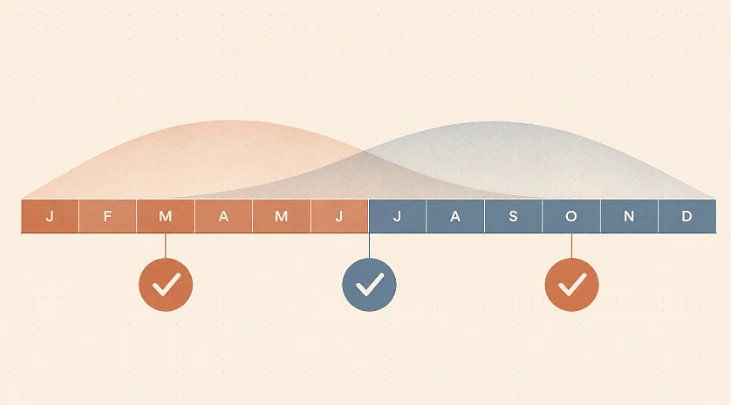
The check that prevents most of this takes ten minutes, three times a year. Before spring planting, before the monsoon arrives in early July, and in fall when the roof rats start moving. Open the shed fully, let the light in, move a few bins, look along the floor edges, smell for mustiness. That’s it. Not glamorous. The best pest prevention never is. Pests prefer forgotten places, so the whole game is just refusing to forget you own one.
 Decor & Improvement Accessories