
Home & Decor Blogs: DIY, Interior Design & Lifestyle Ideas
Interior Decor Trends 2026: Must-Know Styles That Will Shape Your Home

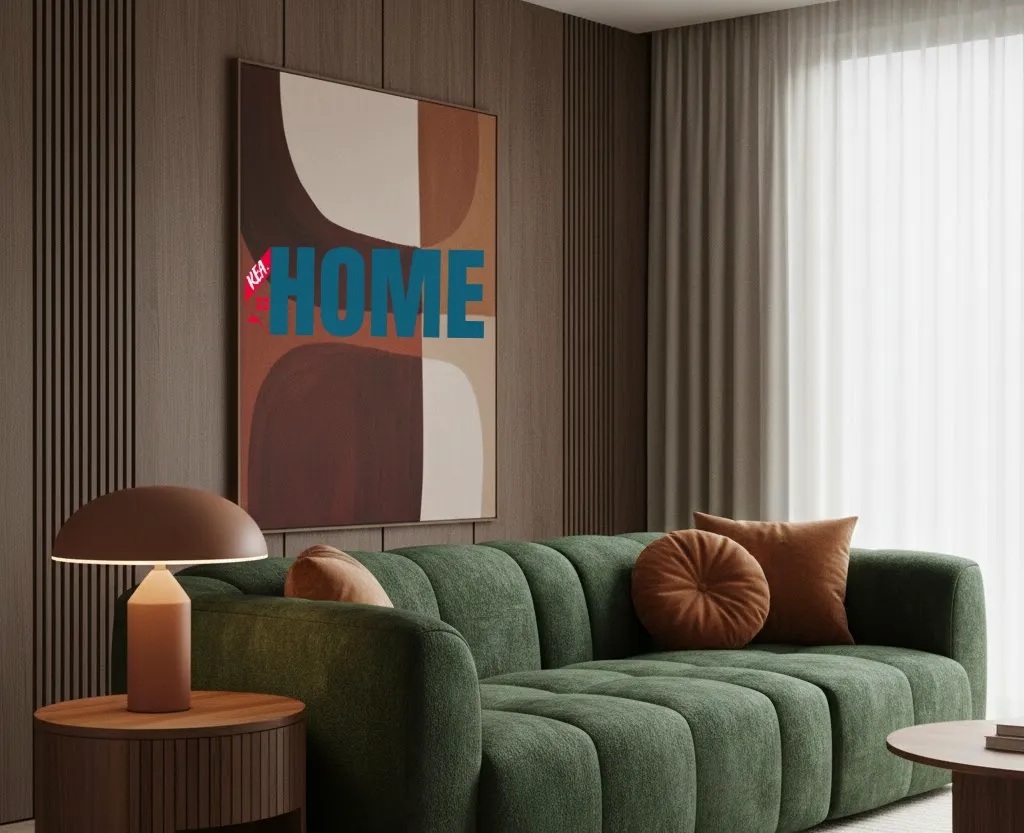
Interior decor trends for 2026 are moving away from the stark minimalism that defined the 2010s. These trends now focus on spaces designed around human behavior and comfort. Designers unanimously predict deeper, moodier, warmer color schemes. They see more customized, expressive spaces taking center stage.
The development of contemporary style interior design shows our growing desire for welcoming homes that reflect our personality. Today’s interior decor trends combine emotional, environmental, and aesthetic elements thoughtfully. Current home decor trends balance state-of-the-art technology with sensory experience – from wood paneling and warm minimalism to algorithmic ergonomics in furniture design.
Luxury interior design takes on new forms through sculptural lighting that merges functionality with art. Rich, deep-toned, colorful stones in green and burgundy add sophistication to spaces.
In this piece, we explore the defining styles that will shape homes in 2026. These range from curved silhouettes that feel nurturing and approachable to unexpected elements like dramatic pattern drenching and silver accents, making a surprising return.
Organic Forms and Natural Materials
Looking ahead, 2026 is shaping up to be all about atmosphere and layering. Curved joinery, bespoke shelving, and thoughtful partitions add interest without taking over, while materials with texture and depth, from matte plaster to hand-finished wood and soft fabrics, make rooms feel grounded and approachable.” — Joachim Rodriguez y Romero, Interior Design Trends Expert.
The use of organic shapes and natural elements represents the most important shift in current home decor trends for 2026. Designers now prefer materials found in nature to create layered looks that bring character and warmth to spaces.
Curved furniture and flowing silhouettes
Curved silhouettes now dominate luxury interior design as harsh lines fade away. “The infatuation with curves and channeling will continue into 2026,” notes Nancy Davilman, principal designer at ND Interiors. These flowing forms show up in furniture, architecture, and even kitchen designes.
Curved sofas, rounded dining tables, and arched headboards help people connect better than traditional L-shaped sectionals. Art Deco and Art Nouveau influences shine through tightly upholstered bench seat sofas, which often come in beautiful pine green, brown, or muted berry shades.
Wood paneling and textured surfaces
Wood paneling has made a comeback in interior decor trends. Unlike the cheap versions from the ’70s, today’s warm, real wood planks and panels add soul to spaces. Principal designer Jade Joyner highlights fluted walls, tongue-and-groove ceilings, and stained oak accents that wrap rooms to create an elegant, grounded feel.
Wooden finishes have evolved as technology meets tradition, with threaded patterns—precise CNC-routed channels or micro-drilled holes—that create subtle tactile surfaces.
Nature-inspired textures like cork and clay
Cork and clay have become essential elements in contemporary style interior design. Workers harvest cork sustainably from cork oak trees without causing damage. Its cellular structure contains microscopic gas pads that provide excellent shock absorption at body temperature.
Clay walls with natural, earthy tones create welcoming spaces that work well with different decor styles. These materials reflect today’s interior decor trends toward sustainability and biophilic design, which connects indoor spaces to nature for better psychological comfort.
Function Meets Comfort: The Rise of Smart and Cozy Design
Designers are creating spaces that blend functionality with coziness in the latest interior decor trends for 2026. Technology and ergonomics work together to boost everyday living without compromising style.
Fat furniture and ergonomic seating
“Fat furniture” with its generously rounded silhouettes shows a major change in contemporary style interior design. These pieces showcase sculptural volume and unexpected softness that hugs the body and supports multiple sitting positions. Tom Dixon’s FAT Collection demonstrates this trend perfectly. It features molded foam construction wrapped in premium upholstery that provides plush, all-day ergonomic support without hard edges.
These designs have moved away from traditional office chairs toward hybrid pieces that balance work and relaxation. “Fat Work is a reaction to the need for more domestic work seating,” explains Dixon, showing how the pandemic changed our relationship with furniture. Decorilla states that “oversized and voluptuous seating will dominate interior design” in 2026. These pieces serve as practical elements and sculptural focal points.
Modular lighting systems for flexible spaces
Adaptable lighting design meets our changing needs today. Modular lighting systems connect components that snap together without permanent installation. They use track systems, magnetic rails, and plug-and-play connectors. Installation time drops by 20-50% compared to traditional methods.
Users can reposition these fixtures endlessly along continuous power rails. Wireless control platforms merge with modular fixtures naturally. This allows smartphone adjustments without rewiring. The systems keep UGR ratings below 19 for visual comfort and deliver CRI values above 90 for accurate color rendering.
AI-powered indoor gardens for small homes
Smart, compact gardens for apartments represent one of the most innovative current home decor trends. These smart indoor gardens look like modernist sculptures made from recycled aluminum or bamboo, unlike earlier hydroponics systems. Products like Gardyn use smart automation with built-in cameras and sensors to monitor plants and adjust lighting.
These systems combine AI technology with hydroponic methods. Even beginners can grow fresh herbs and vegetables year-round without soil. Connected apps manage watering schedules and light exposure, making indoor gardening a natural part of luxury interior design.
Sustainable and Handcrafted Esthetics
Ethical manufacturing leads 2026’s interior decor trends. Sustainability has grown from a buzzword into the foundation of luxury design. This development reflects a cultural change where smart homeowners just need both beauty and responsibility from every piece.
Sustainable luxury with traceable materials
Luxury in 2026 means accountability, not excess. Premium furniture now shows its complete trip from forest to living room. Materials like reclaimed wood and traceable textiles have become quality’s hallmarks. Brands show more transparency in their production chains, from artisan workshops to final delivery. This challenges traditional consumption models. The approach goes beyond materials to cover fair labor practices and carbon-neutral shipping. High-end spaces now feature marble alternatives made from recycled stone dust. Vegan leathers crafted from pineapple or cactus fibers create interiors that feel indulgent yet mindful.
Freehand artistry and embroidery on wood
A fascinating blend emerges in contemporary style interior design as embroidery techniques move to wooden surfaces. Precision CNC routing creates delicate, stitched-like patterns across cabinet doors and furniture panels.
Dark walnut threads through pale maple, and cherry accents weave across oak grain. The scale ranges from fine needlework details on smaller pieces to bold cross-stitch motifs on entire headboard panels. This gives mass-produced items a handcrafted feel that celebrates slow design in our ever-changing digital world.
Faux furs made from recycled materials
Among other current home decor trends, recycled textiles transform into statement faux furs that balance sustainability with indulgence. These pieces showcase unexpected elements like electric-blue zebra stripes, neon leopard patterns, and oversized geometrics on rugs, cushions, and statement chairs.
These plush textures now rival natural fur in softness but come from recycled plastic bottles. This turns waste into luxury. In fact, advances in textile recycling help manufacturers create these bold looks without environmental guilt. They meet our need for both eco-consciousness and sensory richness.
Color Trends That Redefine Spaces
“Color blocking and color drenching are especially strong, bringing depth and coziness to interiors.” — Danielle Chiprut, Founder of Danielle Rose Design Co.
Color psychology stands at the vanguard of **interior decor trends** for 2026. Designers now craft palettes that trigger specific emotional responses. Dramatic single-hue rooms and warming earth tones showcase a fundamental change in how spaces feel and function. Bold monochrome interiors
The monochromatic trend embraces one color with many textures. Rooms feature varying shades of a single hue that flows from velvet sofas to silk drapes. This creates a cohesive look without becoming monotonous. The spaces rely on textural contrasts to keep visual interest despite the limited color palette.
To cite an instance, a room bathed in blues might blend navy velvet with powder blue silk and steel bluish-gray metallics. Designers achieve dramatic effects without cluttering the visual space.
Electric saturation and vibrant accents
Luxury interior design now welcomes bright lime green kitchens and hot pink dining rooms. These bold, saturated colors have replaced the “safe” tones of the 2010s. The electric hues need commitment from homeowners, but transform spaces into mood-enhancing environments. Professional colorists blend these bright shades carefully. They pay close attention to undertones that complement various styles.
Clay and terracotta revival
Earthy tones dominate current home decor trends. Terracotta walls and clay-inspired palettes add depth and warmth to spaces with abundant natural light. These colors transform subtly as daylight changes. The dynamic interiors pair beautifully with deep forest greens and natural elements.
Cremèle neutrals replacing cold grays
Warm beige and caramel tones—dubbed “cremèle neutrals”—have taken over contemporary style interior design after years of cool gray dominance. These shades create cozy, creamy, and lived-in atmospheres that cool grays cannot match. Designers pair these neutrals with natural materials like wood and stone. The result is sophisticated yet grounded spaces that feel like home.
Conclusion
The 2026 interior design world shows a clear break from the clinical minimalism of past decades. Modern homeowners want spaces that feel lived-in. Curved silhouettes and organic forms create environments that naturally fit daily life instead of forcing people to adapt to rigid structures. These new trends go beyond just looks – they show changing values about green practices, comfort, and personal expression.
Natural materials are pioneering this progress. Cork, clay, and responsibly sourced wood add a tactile depth that sterile interiors can’t match. Smart technology combines smoothly with these warmer spaces through modular lighting and AI-powered indoor gardens, showing how state-of-the-art features and coziness work together perfectly.
Colors also balance boldness with comfort. Dramatic monochromatic schemes and vibrant electric hues create emotional effects. Earthy terracottas and cremèle neutrals provide a grounding counterpoint to these adventurous palettes.
The move toward traceable materials and green manufacturing marks a fundamental change in luxury’s definition. Today’s sophisticated homeowners expect beautiful pieces with documented origins and responsible production methods. The homes of 2026 will display interiors that are both indulgent and ethical – spaces where comfort meets consciousness and style lines up with sustainability.
These trends point to a future where homes truly reflect their owners rather than showcase passing fads. While trends will keep changing, the movement toward more personal, comfortable, and responsibly designed spaces is here to stay. Homes should do more than look beautiful – they should feel right for the people who live in them.
 Decor & Improvement Accessories