

Home & Decor Blogs: DIY, Interior Design & Lifestyle Ideas
Step-by-Step Home Renovation Strategies for Modern Living
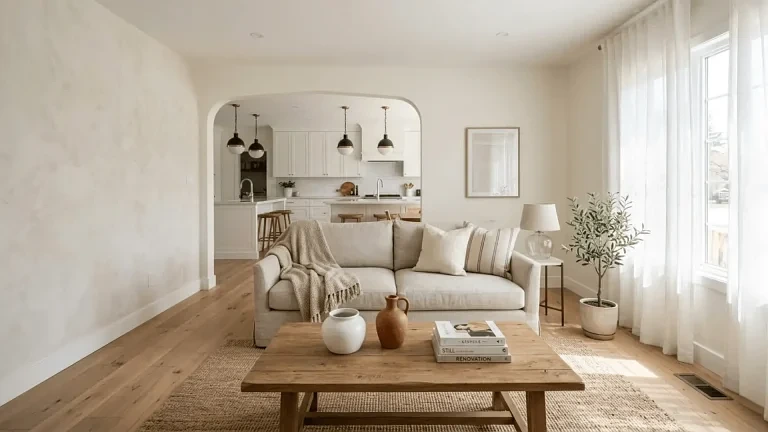
Home renovation is more than just updating the look of your space. It is about creating a living environment that reflects your lifestyle, improves functionality, and adds long-term value to your property. Whether you are planning a minor refresh or a full-scale remodel, having a clear strategy makes all the difference. From budgeting and planning to execution and finishing touches, every step matters. A well-executed renovation can completely transform how you experience your home on a daily basis. Here is a comprehensive guide to help you navigate your renovation journey with confidence and clarity.
1. Define Your Goals and Set a Realistic Budget
Before picking up a hammer or calling a contractor, you need to know exactly what you want to achieve. Are you renovating to increase resale value? To improve daily comfort? Or to modernize an outdated design? Having a clear purpose keeps your decisions focused and prevents unnecessary spending on features that do not align with your actual needs.
Start by asking yourself these important questions:
- What areas of the home need the most attention?
- What is the primary purpose of this renovation?
- How long do you plan to stay in the home?
- Are there any safety or structural concerns that must be addressed first?
Once your goals are clear, set a realistic budget. A well-planned budget prevents costly surprises midway through the project. Partnering with a professional construction estimating service company at this early stage can save you thousands of dollars. These professionals analyze your project scope and provide detailed cost breakdowns covering labor, materials, permits, and contingency allowances so you start with accurate numbers rather than rough guesses. Having a proper estimate from the beginning gives you peace of mind and keeps your finances firmly under control throughout the entire process.
2. Plan Your Design and Layout
With your budget in hand, move on to the design phase. This is where your vision takes shape on paper before it becomes reality. Good design planning prevents expensive changes once construction has already started, saving both time and money in the long run.
Key planning steps include:
- Sketching a floor plan to understand the flow of spaces and identify structural changes needed.
- Selecting materials and finishes such as tiles, flooring, cabinetry, and fixtures that align with your style and budget.
- Deciding on open vs. closed spaces since modern living often favors open floor plans that connect the kitchen, dining, and living areas seamlessly.
- Planning for natural light by considering windows, skylights, or glass doors to brighten interiors and reduce energy costs.
- Choosing a consistent color palette that ties every room together for a cohesive and polished look throughout the home.
Using design software or working with an interior designer can help you visualize the end result and avoid costly changes during construction. At this stage, always consider future-proofing your home by installing smart home infrastructure, energy-efficient systems, and flexible spaces that add lasting value for years to come.
3. Obtain Permits and Hire the Right Contractors
Skipping permits is one of the biggest mistakes homeowners make during a renovation. Unpermitted work can lead to fines, failed inspections, and serious complications when selling your home in the future. Taking the time to do this properly protects your investment and ensures the safety of everyone in the household.
Here is what to do at this stage:
- Check local building codes because requirements vary by city and county, especially for structural, electrical, and plumbing work.
- Apply for the necessary permits since your contractor can often handle this process on your behalf.
- Vet your contractors carefully by checking licenses, insurance, references, and past project portfolios before signing any agreement.
- Get multiple quotes to compare pricing and ensure you are receiving fair value for the work being proposed.
- Put everything in writing by signing detailed contracts that outline timelines, payment schedules, and project specifications.
Hiring reputable professionals ensures your renovation meets safety standards and is completed to a high quality. Do not rush this step. A bad contractor can cost far more in rework and repairs than you would ever save by cutting corners on hiring decisions.
4. Execute the Renovation in Phases
Large renovations should never be tackled all at once. Breaking the project into manageable phases reduces stress, controls costs, and allows you to continue living in part of the home while work is being done in other areas. A phased approach also makes it easier to assess quality at each stage before moving forward.
A smart phased approach typically looks like this:
- Phase 1: Structural and Systems Work addresses foundation issues, roofing, plumbing, electrical, and HVAC systems first since these form the backbone of a safe and functional home.
- Phase 2: Interior Construction covers walls, flooring, insulation, and framing that define the shape and layout of every room.
- Phase 3: Finishing Work includes paint, cabinetry, fixtures, trim, and tiling that bring beauty and personality to the space.
- Phase 4: Exterior and Landscaping focuses on curb appeal enhancements like siding, driveways, fencing, and garden design that complete the overall transformation.
This is precisely where working with Blaze Estimating LLC becomes invaluable for homeowners and contractors alike. Professional estimating services help you track costs at each phase, identify potential overruns early, and ensure your project stays perfectly aligned with the original budget. Their detailed takeoffs and cost reports give you real-time financial clarity throughout the renovation so there are never any unwelcome surprises waiting around the corner.
5. Focus on Energy Efficiency and Smart Upgrades
Modern home renovation is no longer just about aesthetics. Homeowners today are increasingly investing in upgrades that reduce energy consumption, lower utility bills, and create a more sustainable living environment for the long term.
Consider incorporating these smart and energy-efficient upgrades into your renovation plan:
- LED lighting systems that consume significantly less electricity than traditional bulbs while lasting much longer.
- Smart thermostats that learn your schedule and automatically adjust heating and cooling for maximum efficiency.
- Energy-efficient windows and doors that provide better insulation and reduce heat loss during colder months.
- Solar panels that generate clean energy and can dramatically reduce your monthly electricity costs over time.
- Water-saving fixtures in bathrooms and kitchens that help conserve water without compromising on performance.
These upgrades not only benefit the environment but also increase the market value of your home significantly, making them a smart financial decision for any homeowner planning a renovation.
6. Final Inspection and Quality Checks
Before declaring your renovation complete, perform a thorough walkthrough with your contractor. This final step is critical to ensure that every aspect of the project meets your expectations and that no detail has been overlooked during the construction process.
Check every detail carefully, including:
- All fixtures are properly installed and functioning as expected
- Paint finishes are smooth, even, and free from streaks or drips
- Flooring is level, securely fitted, and free from gaps or lifting edges
- Doors and windows open and close smoothly without sticking or rattling
- Electrical outlets, switches, and lighting fixtures all work correctly
- Plumbing connections are leak-free and water pressure is adequate throughout
Create a punch list, which is a detailed checklist of any remaining tasks or touch-ups, and ensure every single item is completed before final payment is released to your contractor. This step protects your investment and guarantees that you are fully satisfied with the finished result before officially closing out the project.
Final Thoughts
A successful home renovation is the result of careful planning, smart budgeting, and working with the right professionals at every stage of the process. By following a structured and phased approach from setting your initial goals all the way through to the final inspection, you can confidently transform your home into the modern and functional living space you have always envisioned. Take your time with each step, invest in quality materials and trusted professionals, and never underestimate the importance of proper planning. Start smart, stay organized, and enjoy every moment of the transformation journey.

 Decor & Improvement Accessories