

Home & Decor Blogs: DIY, Interior Design & Lifestyle Ideas
Tears on a Withered Flower: A Quiet Story for the Home Garden

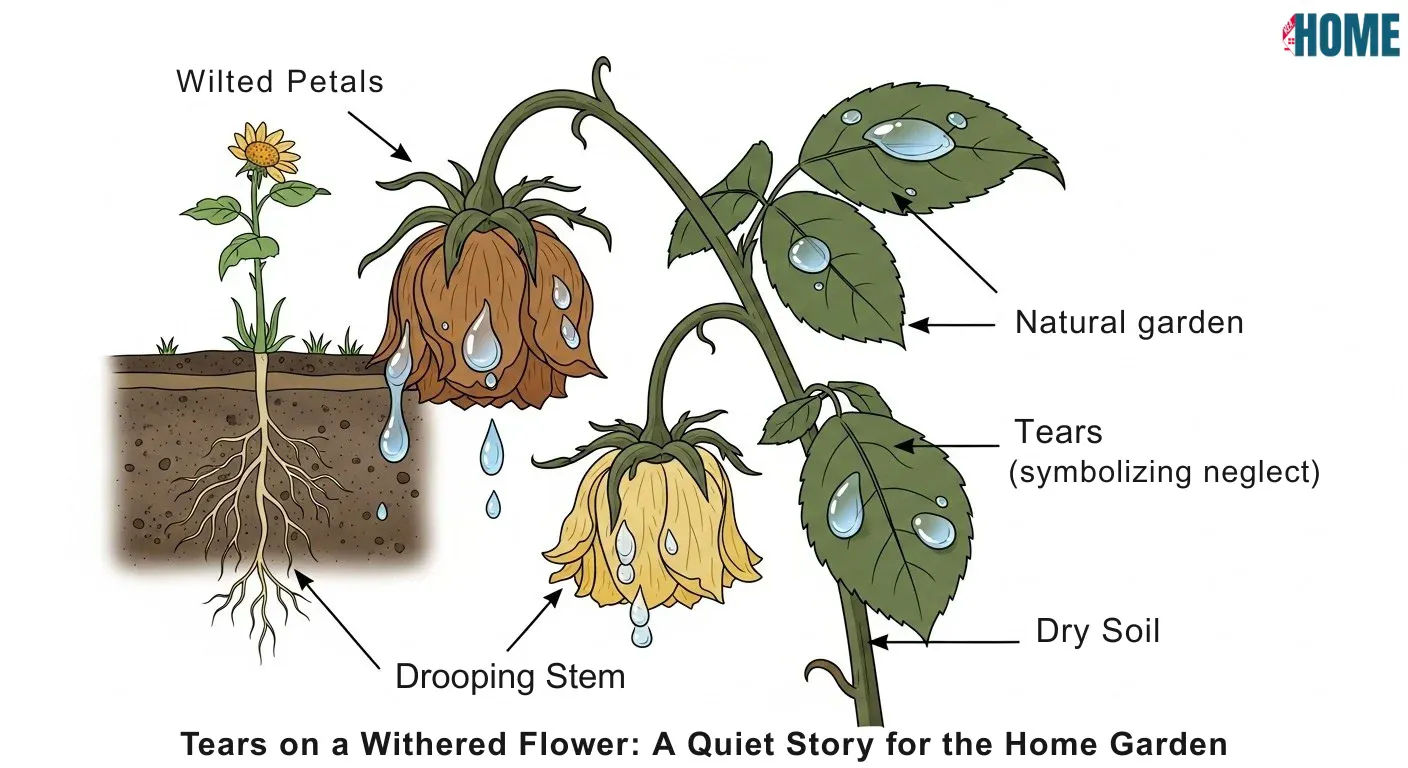
It’s a crisp autumn morning tears on a withered flower, the kind where the air smells like damp earth and possibility. I’m out in my little home garden, coffee mug in hand, checking on the roses I planted last spring. Most of them look perky, waving their pink petals like they’re ready for a party. But there, tucked behind a bushy lavender, sits this one rose wilted, its edges curled like it’s whispering secrets to the ground. A single droplet, sparkling in the sunlight. Or maybe, just maybe, a tear from the flower itself. I knelt down, touched it gently, and felt this weird pull in my chest. That’s when it hit me: this isn’t just a sad plant. It’s a story. A quiet one, unfolding right in my backyard.
What is Flower Feels So Personal
We all have those moments when something small stops us cold. For me, that droopy rose wasn’t about bad soil or too much sun it was a mirror. Gardens aren’t tidy; they’re messy, full of starts and stops, just like us. A withered flower reminds me of the times I’ve felt that way: worn out after a long week, edges fraying, but still holding on. In home gardening, this happens more than we’d like. One day your zinnias are dancing in the breeze; the next, they’re slumping like they partied too hard. But here’s the thing I don’t toss them right away. I pause. It’s where the story lives. It’s where we learn that beauty doesn’t end with the fade; it shifts. Unlike those glossy magazine spreads with perfect blooms, real home gardens tell tales of resilience. Yours might have a patch of forget me nots that bounced back from a rabbit raid, or a sunflower that leaned toward the light despite the shade.
The Droplet That Changes Everything
Now, let’s talk about that tear. In my nursery garden, it was probably just condensation, but my mind ran wild. What if it’s the flower’s way of saying, “Hey, I tried” In stories and art, tears on flowers pop up everywhere, carrying weight we don’t always name. Think about it in old folklore, dew on petals was fairy tears, mourning the night’s end. Or in Hinduism, sad tears can bloom into flowers, flipping grief into growth. Even in Christianity, certain blooms like lilies stand for purity mixed with sorrow, their “tears” a nod to quiet mourning. But in your home garden, it’s simpler and sweeter. That droplet might be morning mist, or it could be from the sprinkler you forgot to turn off (guilty as charged). Either way, it softens the scene. It says impermanence doesn’t have to sting; it can glisten. I once read how in Japanese gardens, they design for this exact feeling mono no aware, the gentle sadness of things passing. No big drama, just a nod to the cycle. Next time you spot one in your plot, lean in. Snap a photo. Let it make you chuckle at how dramatic nature gets without trying.
Mapping the Life of Your Garden Blooms
To make sense of this quiet drama, I put together a simple table. It breaks down the stages of some common home garden flowers, showing how that withered phase isn’t the end it’s a pivot. Use it as a cheat sheet when you’re out there, wondering if it’s time to prune or celebrate.
| Flower Type | Bloom Stage (Vibrant) | Withering Signs | Revival Tip | Renewal Promise |
|---|---|---|---|---|
| Rose | Full petals, strong scent | Curled edges, drooping head | Submerge in cool water for 30 minutes | New buds from base in spring |
| Zinnia | Bright colors, upright stems | Faded hues, limp leaves | Trim stems at angle, add sugar to water | Self-seeds for next year’s riot of color |
| Lavender | Purple spikes, buzzing bees | Brown tips, woody stems | Prune back by one-third | Fresh growth for essential oil harvest |
| Sunflower | Towering heads, seed promise | Heavy, nodding bloom | Support with stakes, harvest seeds early | Birds and soil enrichment from dropped seeds |
| Tomato (yes, a flower too!) | Yellow stars leading to fruit | Wilted vines, spotted leaves | Deep water, mulch to retain moisture | Compost wilted parts for richer soil next season |
Lessons from the Dirt: What Your Garden Whispers Back
Diving deeper, that withered flower teaches us to spot patterns. In my yard, I noticed my roses wilt faster in clay heavy soil it holds water like a grudge. Science backs this: plants droop when roots can’t breathe, thanks to poor drainage or heat stress. But don’t panic; adjust. Mix in some compost, and watch them perk up. It’s like therapy for your trowel. Emotionally, though? This is where it gets fun. Gardens mirror our moods. When I’m stressed, I overwater, and everything drowns. When I’m chill, the weeds stay manageable. That tear on the petal? It nudges me to feel it all the joy of the first bloom, the pang of the last. Humor helps here. Last summer, I caught myself apologizing to a floppy basil plant. “Sorry, buddy, I forgot the rain dance.” My neighbor overheard and laughed so hard she brought me homemade pesto. See? Even wilted moments build connections.
Saving Your Droopy Darlings
Enough poetry let’s get practical. You’ve got a bouquet from the market wilting on the counter, or a border of marigolds looking defeated. First rule: Act fast. Cut the stems at a 45-degree angle with clean shears dirty tools spread bacteria like gossip. Plunge them into room temp water mixed with a teaspoon of sugar (plant food, basically). For tough cases, dunk the whole head in a sink of cool water for half an hour. I tried this on some sad dahlias from a friend’s wedding leftover, and they rallied like underdogs in a movie. Check for pests aphids love stressed plants. A gentle hose blast sorts them. And mulch! It keeps moisture even, cutting wilt risk by 50% in hot spells. These tricks aren’t magic, but they turn “oh no” into “not today.” Plus, reviving something feels like a win, especially on days when your own energy lags.
When Withering Stay Honoring the Fade
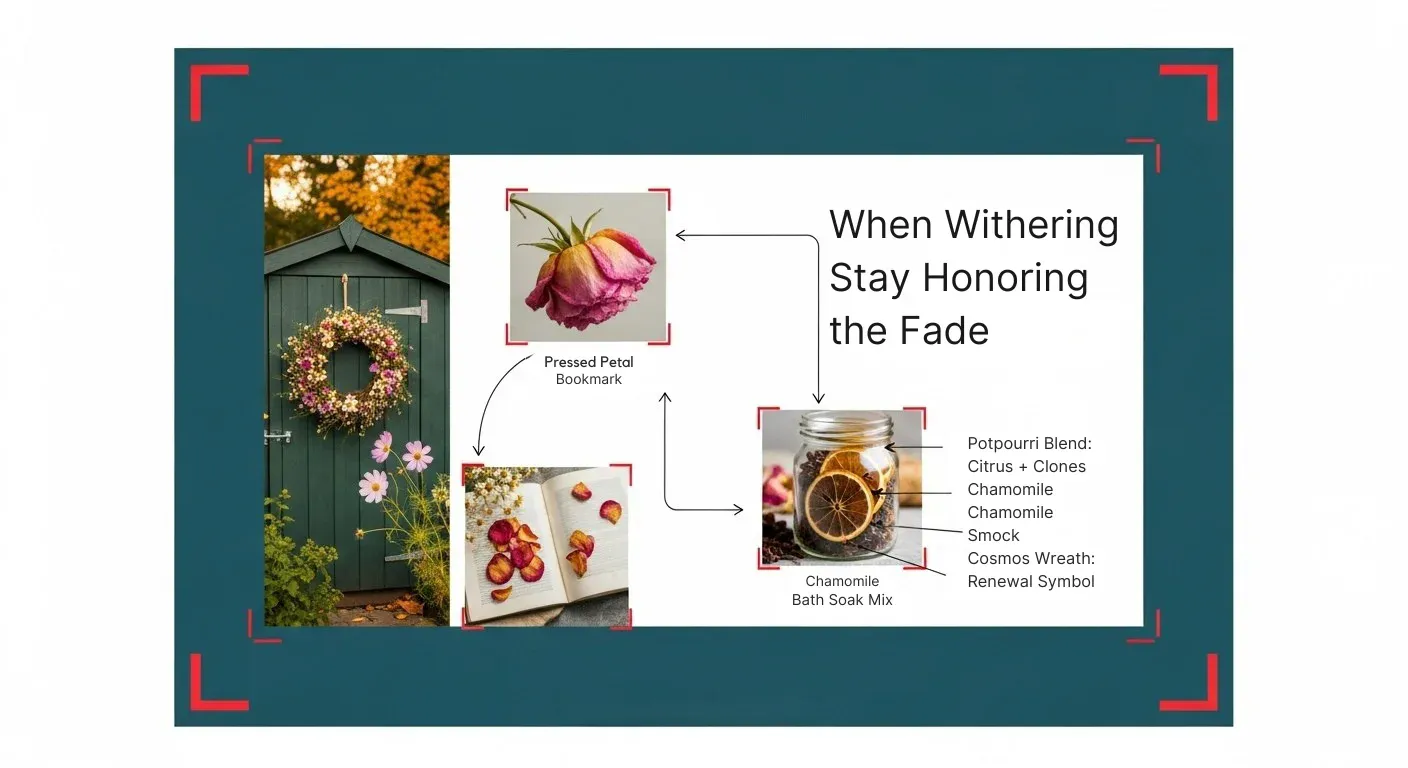
It stayed wilted, a quiet sentinel. That’s okay. Upcycling kicks in here, giving it purpose beyond the plot. Press the petals between wax paper in a heavy book voila, art for bookmarks or cards. Or dry them for potpourri: Layer with citrus peels and cloves in a jar, shake daily. Pure cozy nostalgia. I’ve made bath soaks too wilted chamomile petals steeped in Epsom salts. Drop one in a tub after a rough day, and it’s like the garden hugs you back. For the eco crowd, grind dried blooms into confetti for parties. No waste, all whimsy. These ideas add layers the other stories I read miss like turning decay into delight, not just reflection. One afternoon, I crafted a wreath from my faded cosmos. Hung it on the shed door. Now, every glance reminds me: endings fuel beginnings.
Gardening as Grief’s Gentle Friend
It echoes our own quiet sorrows lost jobs, goodbyes, the what-ifs. Gardens get that. Studies show digging in the dirt slashes stress hormones, eases anger, even steadies your heartbeat. For grief specifically, it’s gold. Planting a “memory bed” with bulbs that bloom on anniversaries? It gives control when life spins wild. I did this after my dog passed tulips in her favorite spot. Come spring, their pop of red felt like her wagging tail. It’s not fixing; it’s feeling grounded. Laughter sneaks in too. Imagine arguing with a stubborn weed while venting about an ex. Clingy bunch.” Gardening lets you process without pressure, reconnecting you to life’s pulse. In cultures worldwide, flowers mark these turns funeral wreaths in Mexico, cherry blossoms in Japan for fleeting joy. Your home patch can do the same, smaller scale but no less mighty.
Blending Science and Soul in Your Patch
Let’s blend facts with heart. Did you know withering releases ethylene gas, a plant “stress signal” that speeds the fade for siblings to counter, plant companions: Marigolds near tomatoes ward off nematodes, keeping wilts at bay. I added nasturtiums last year; their peppery leaves doubled as salad greens while guarding the beds. On the soul side, track your garden journal. Note wilts alongside moods. Patterns emerge like how dry spells match my dry humor phases. This isn’t in those other garden reflections I pored over; it’s personal data, turning your yard into a living diary. And for fun, host a “wilt workshop” with friends. Share stories over tea, swap revival hacks. Last time, we ended up dancing in the dusk, barefoot and blooming.
Wrapping Up
As the sun climbed higher that morning, I left my rose be. Not out of neglect, but respect. Tears on a withered flower: A Quiet Story for the Home Garden isn’t about perfection. It’s about pausing in the mess, finding grace in the give. Your space be it a windowsill herb pot or a sprawling veggie row holds these tales daily. Tend it gently, laugh at the flops, and let the droplets remind you: We’re all a bit wilted sometimes. But oh, the renewal waiting underneath. Grab your gloves. Plant something today.
FAQs
What’s the real meaning behind tears on a withered flower?
It varies, but often it’s grief mixed with hope sorrow for the fade, but a nod to growth ahead. In your garden, treat it as a cue to nurture, not mourn.
Can I actually save a super wilted bloom?
Absolutely! Trim, soak, and sweeten the water. I’ve revived market roses that looked done for, turning them into centerpieces for a week.
How does gardening help when I’m feeling down?
It quiets the mind, boosts mood via soil microbes (yes, happy bacteria!), and gives that “I did this” spark. Start small a single pot and build from there.
Ideas for using up old flowers without waste?
Potpourri, pressed art, or even petal-infused vinegar for salads. They’re sustainable swaps that keep the beauty going.
Is there a flower that never wilts?
Nope, but evergreens like ivy come close. Embrace the cycle it’s what makes each bloom special.
 Decor & Improvement Accessories