

Home & Decor Blogs: DIY, Interior Design & Lifestyle Ideas
Your Basement Is Probably the Most Wasted Room in Your House
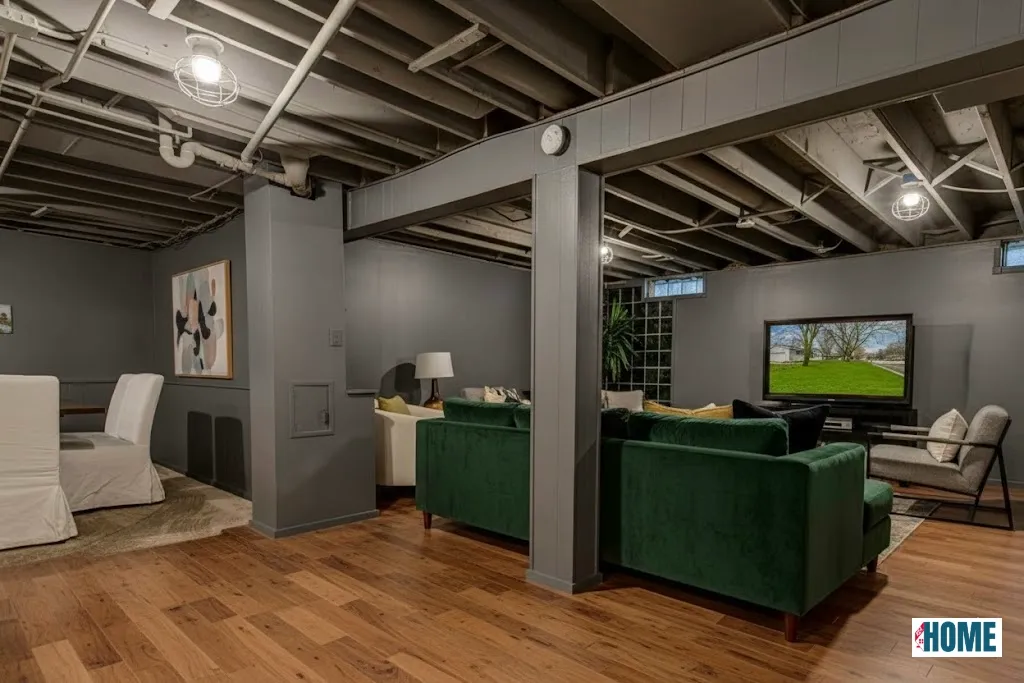
Kitchens get all the attention. Bathrooms come second. The basement? For many, it serves as a holding cell for items that are functional and widely used but don’t quite make the cut to spend an evening in the comfort of your home: those unwanted holiday decorations, broken-down furnishings, clutter-generating appliances. It lies there, half-forgotten, not doing any useful thing at all.
Which is wild to consider, since the basement is often the largest individual room in the house. Finish it right and you can add 50% or more to your usable living space — no extension, no planning permission fiasco, no knocking through load-bearing walls.
The resale numbers are OK as well. A finished basement will pay back 70–75 percent of what you spend on it, and homes with a finished basement sell “10 times faster” than houses without them. Springfield basement remodeling & refinishing in the basement has been one of those things that people wish they would have done sooner — more space, a better purpose and—don’t you dare forget—a certain degree of value, coming from a room with no use other than to gather cobwebs.
| What You’re Adding | Rough Cost | Resale Value Added | ROI |
|---|---|---|---|
| Basic finishing (drywall, flooring, lighting) | $30K–$45K | $21K–$34K | ~70% |
| Bathroom addition | +$15K–$25K | +$12K–$20K | ~75% |
| Egress windows + bedroom | +$10K–$20K | +$15K–$25K | ~80% |
| Home theater or gym | +$20K–$40K | +$15K–$30K | 70–75% |
So Why Does Everyone Ignore It?
Fair question. And basements aren’t glamorous anyway. Concrete floors, low ceilings, perhaps some dodgy-looking pipes running across the top. It is usually a little damp and the air feels slightly musty, giving it less the atmosphere of a room than of a cave. No one walks down those steps and is inspired.
The excuses are always the same: too costly, too complex, not sure what I’d even do with it, concerns about water issues. And these are not unjustified worries — a basement remodel can run you anywhere from $15,000 for something basic up to $75,000 if you’re going all-in (with most midrange projects falling in the range of approximately $30–$50 per square foot). That’s real money.
But compare it to building an addition. You’re looking at double or triple the cost for the same square footage, plus months of disruption, permits, and architectural headaches. The basement is already there. The walls exist. The floor exists. You’re not creating space from scratch — you’re finishing space that’s been sitting unused since the house was built.
And beyond the property value argument, there’s the simple reality of needing more room. Kids grow up and want their own space. You start working from home and the dining table isn’t cutting it anymore. Your in-laws visit for two weeks and suddenly you wish there was somewhere — anywhere — they could have their own setup. A finished basement solves all of that without the upheaval of moving house.
Work Out What the Room Needs to Be First
This sounds obvious but people skip it constantly. They get excited about flooring samples and paint swatches before answering the one question that actually matters: what is this space for?
A family room where the kids can be noisy without shaking the whole house needs completely different things than a home office where you’re on video calls all day. A guest bedroom with a bathroom is a different project than a workshop where sawdust is going to get everywhere. If you don’t nail this down before anything else, you end up with a nice-looking room that doesn’t quite work for anything in particular.
Some stuff worth thinking through before you commit any money:
- What’s actually going to happen down here? Be specific. “Hang out” isn’t specific enough. Movie nights? Exercise? Working? Kids playing?
- Who uses the space, and how often? A room you’re in every day justifies a bigger spend than one you use twice a month.
- Does it need plumbing? Adding a bathroom or wet bar bumps the budget and complexity up considerably.
- How’s the access? If the stairs are steep, narrow, or awkward, that affects how much the space gets used regardless of how nicely it’s finished.

Want the room to do more than one thing? Plan that in from day one. A guest bedroom that doubles as an office works great if you think about it upfront — less great if you try to cram a desk into a room that was only designed for sleeping.
The Annoying Stuff You Have to Sort Out
Every basement comes with its own set of headaches. They’re underground (or partly underground), they’re naturally cooler than the rest of the house, moisture is always lurking, and the ceilings are usually lower than you’d prefer. None of this is fatal, but pretend it doesn’t exist and you’ll pay for it later.
Water. Always water. This is the one that wrecks people. Moisture seeping through foundation walls, condensation building up, water pooling after heavy rain — any of these can destroy a finished basement slowly and expensively. Waterproofing membranes, vapour barriers, and getting the grading right around your foundation so water flows away from the house instead of toward it — these aren’t optional extras. They’re the foundation (literally) of everything else you do down there. Skimp here and you’ll be ripping out mouldy drywall in three years.
There’s almost no natural light. You’re dealing with maybe a small window, if that. That means artificial lighting has to do all the heavy lifting, and you aren’t necessarily going to get away with a single overhead fixture. You have to layer — recessed ceiling lights for general illumination, wall-mounted fixtures or sconces for warmth, perhaps some accent lighting to kill the shadows in a corner. If you can turn the basement into a “official” bedroom (with egress windows, which also allow you to legally call that space a bedroom), do it. The daylight that they bring in transforms the very character of the room.
Ceilings feel low. Open ductwork and exposed beams further cut into headroom that’s already in short supply. But a good contractor works with this, not against it — painting everything one color, for example, building inventive soffits that include the ducts in their design, using recessed lighting instead of hanging fixtures. We’re not talking about the real height you’ll achieve, but the perception of it is what counts, really.

What People Actually Use Finished Basements For
Once you’ve dealt with the moisture and the lighting and the structural realities, you’ve basically got a blank room that can become whatever you need. Here’s what works:
Somewhere to watch things and be loud. The classic basement setup, and it still makes total sense. Basements are naturally dark and enclosed, which is perfect for a TV room or home theater — minimal glare, easy sound control, and nobody upstairs has to listen to your terrible taste in action movies at full volume. Built-in shelves, decent speakers, comfortable seating. Nothing fancy required.
An office with an actual door. If you’ve spent the last few years “working from home” at the kitchen table while your kids scream in the next room, you already know why this matters. A basement office gives you physical separation. Add some basic soundproofing, proper task lighting, and a door that closes, and your productivity goes up while your stress goes down.
A guest setup that doesn’t feel like an afterthought. Egress window, bathroom, decent bed, maybe a small sitting area. Done. Your guests get privacy and their own space; you get your house back during visits. This combo — egress window plus bedroom — returns about 80% of the investment at resale, which is one of the highest returns you can get from a basement project.
Gym space. Rubber flooring, a mirror or two, wall-mounted racks for weights and bands. Basements are ideal for this because the floor is concrete underneath (it can handle heavy equipment without worrying about joists) and nobody has to listen to you dropping dumbbells at 6am. Just make sure ventilation is sorted — a stuffy basement gym gets abandoned fast.
Workshop, studio, hobby room. Anything that creates noise or mess or needs permanent setup works brilliantly down here. Woodworking, music, painting, crafting — you can leave a project mid-way through without cluttering up the living room, and the natural sound isolation keeps everyone else in the house unbothered.
Most finished basements that actually get used combine two or three of these. A media area at one end, an office corner at the other, some open space in between. That flexibility is what makes the room genuinely useful day after day, rather than a novelty that wears off after a month.

Use the Right Materials or You’ll Redo It All in Five Years
Standard materials from upstairs don’t always hold up in a basement. Different conditions demand different choices, and getting this wrong is expensive.
Floors. Luxury vinyl plank is far and away the most popular basement flooring right now, and it earned that spot. Waterproof, comfortable to walk on, comes in wood and stone looks that are genuinely convincing, and it handles the temperature swings basements go through without warping or separating. Porcelain tile works well in bathroom areas. Carpet? Only if you’re absolutely certain your moisture situation is bulletproof — and even then, it’s a gamble most people lose.
Walls. Mould-resistant drywall costs a bit more than the standard stuff and it’s worth every penny in a basement. Warm wood panelling accents are showing up a lot in 2026 basement designs — they add visual warmth that fights the underground-bunker feeling most basements default to.
Paint. Opt for formulas that are higher-rated in moisture environments. Its light, warm tones add up to a much larger and less closed-in space. Earth tones — soft greens, warm tans, muted clay — are especially successful because they make a basement feel deliberate and grounded rather than sterile.

It Needs to Be Warm in Winter and Not Stuffy in Summer
A basement that feels too cold half the year and too muggy for the other six months of the year is a basement that no one uses. You’ll complete the item, use it for a couple of months and then realize you haven’t been going down there. Control of the climate is not the fun part of redesigning a space, but it’s what decides if a room ever becomes an actual part of your daily life.
Extending your existing HVAC with additional ducts or vents to the basement is usually the simplest fix. If the system can’t handle the extra load, zoned control lets you heat and cool the basement independently. Either way, insulating the exterior walls and the ceiling between the basement and first floor makes a massive difference — a lot of basements feel cold simply because heat bleeds straight through bare concrete. Fix that and the temperature issue largely solves itself.
Sealing air leaks and adding vapour barriers helps with energy costs across the entire house, not just downstairs. So the money you spend on basement insulation does double duty.
Build Storage In From the Start
Half the reason basements become junk rooms is that there’s never been any system to them. Things just get thrown down there because there’s nowhere else, and before long you’re wading through boxes to reach the furnace.
A proper remodel builds storage into the design rather than treating it as something you’ll “figure out later”:
- Under the stairs — this is free real estate that almost always goes to waste. Pull-out drawers, a built-in closet, shelving — the amount of stuff this space can swallow is genuinely surprising.
- Cabinets along foundation walls — they hide the concrete while giving you closed storage. Two problems solved at once.
- Overhead racks — seasonal gear, suitcases, camping equipment, anything you need once or twice a year stays off the floor and out of the way.
- Adjustable shelving systems — modular setups that can change configuration as your stuff changes. Way more useful than fixed shelves you’re stuck with forever.

When storage is baked into the plan from day one, the rest of the basement stays clean and functional. When it’s an afterthought — and it usually is — the clutter comes back within six months and you’re right back to square one.
Buyers Notice When the Basement Is Done
Beyond the daily quality-of-life stuff, there’s cold hard resale value at play. Homes with finished basements sell faster and bring in more money — that 70–75% ROI holds consistently across different markets.
From a buyer’s perspective, a finished basement is bonus space they don’t have to think about. An unfinished one is a project — and buyers mentally subtract the cost and hassle of doing it themselves from whatever they’re willing to offer. In competitive markets, that gap alone can be what pushes someone toward your listing over the one down the street.
The spaces that add the most resale value are the ones that work for the widest range of people. A room that could be an office, a guest suite, or a kids’ playroom depending on who buys the house appeals to nearly everyone. A heavily themed sports bar or a home theater with fixed reclining seats appeals to a much smaller audience. Keep it flexible and neutral, and more buyers can see themselves using it.
Light colours, an open layout, a few mirrors to bounce light around, and some natural accents — wood tones, a plant or two — keep the space from feeling like a bunker.
Get a Professional Involved Before You Start, Not After
Basement work involves structural decisions, moisture management, electrical, plumbing, HVAC — there’s a lot going on under the surface (literally) that you can’t see until walls start opening up. Getting a contractor and ideally a designer involved early means problems get caught before they become five-figure mistakes.
This matters especially if you’re adding a bathroom (plumbing below the main drain line gets complicated fast), putting in egress windows (structural work plus local code requirements), or doing anything significant with electrical. Older homes in particular have a habit of revealing unpleasant surprises once you start poking around, so budget a 10–20% contingency and hope you don’t need it.

 Decor & Improvement Accessories