

Home & Decor Blogs: DIY, Interior Design & Lifestyle Ideas
5 Ways Professional Plumbers Spot Sewer Line Problems Early
Sewer lines don’t just fail overnight. There’s almost always a buildup of weeks or months of small things going wrong underground before you end up ankle-deep in something you really don’t want to be ankle-deep in. A gurgle here, a slow drain there, a weird smell that comes and goes. Most homeowners brush these off. Plumbers don’t.
A professional plumbing company has the tools and the know-how to catch these problems while they’re still manageable. What looks like nothing to you is a red flag to someone who’s seen hundreds of failing sewer lines. Here’s what they’re actually doing when they come out to check your system — and why these methods work so well at catching trouble early.
1. Listening for Sounds Your Drains Shouldn’t Be Making
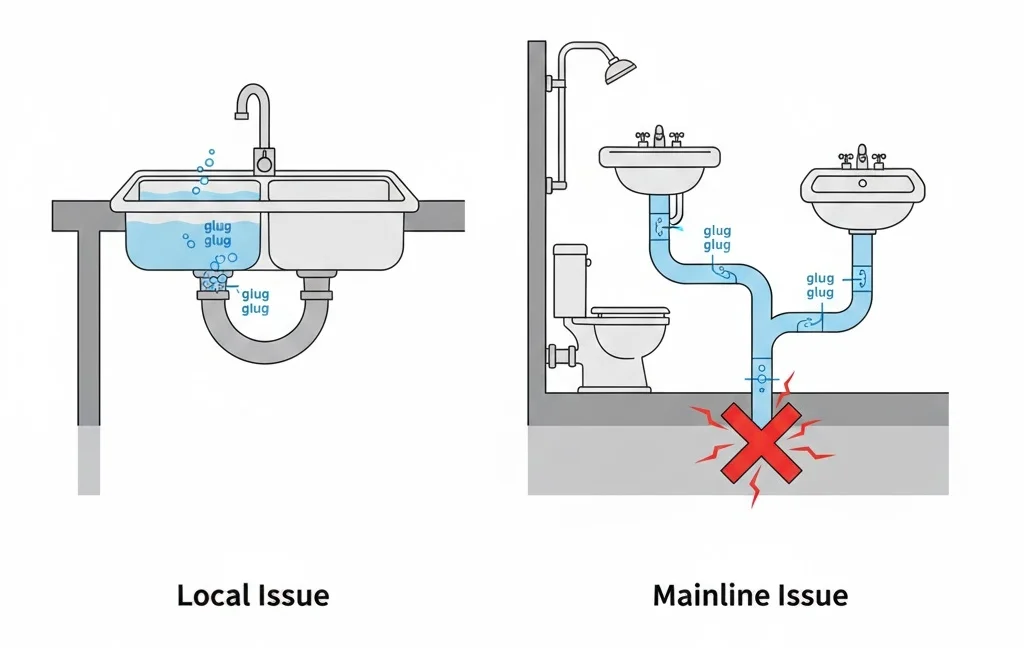
Drains aren’t supposed to talk back to you. If you’re hearing gurgling, bubbling, or anything that sounds like your sink is trying to clear its throat, that’s air getting trapped somewhere it shouldn’t be. Usually means something underground is blocking the normal flow, and pressure is building up behind it.
What plumbers do is listen across multiple fixtures — kitchen sink, bathroom drains, toilets — and compare. If only one drain sounds off, it’s probably a local issue. If several are doing it, the blockage is deeper in the main line. That distinction matters because a mainline problem left alone can eventually push sewage right back up through your drains. Not exactly the kind of surprise anyone wants on a Tuesday morning.
The smart move is getting someone out at the gurgling stage, not the sewage-in-your-bathtub stage.
2. Tracking How Water Actually Moves Through Your System
One slow drain is usually just a clogged drain — hair, soap buildup, the usual. But when water starts draining slowly in the kitchen, the bathroom, and the laundry room all at once, that’s a different conversation entirely.
Professionals run water through different fixtures and watch how it behaves. They’re looking at drain speed, whether water backs up in one place when you flush somewhere else, and how long it takes for things to settle. Consistent sluggishness across multiple points almost always means something is going on in the main sewer line — tree roots growing into pipes, sediment buildup, or sections of pipe that have shifted or collapsed.
This isn’t the kind of thing that fixes itself. It gets worse. And the longer it sits, the more expensive the eventual repair.

3. Following the Smell to Find the Damage
Nobody ignores a sewer smell for long, but most people assume it’s a dry P-trap or something minor. Sometimes it is. But when that rotten-egg odour keeps coming back — especially near specific fixtures or certain times of day — there’s usually a crack, a broken seal, or trapped waste decomposing somewhere in the line.
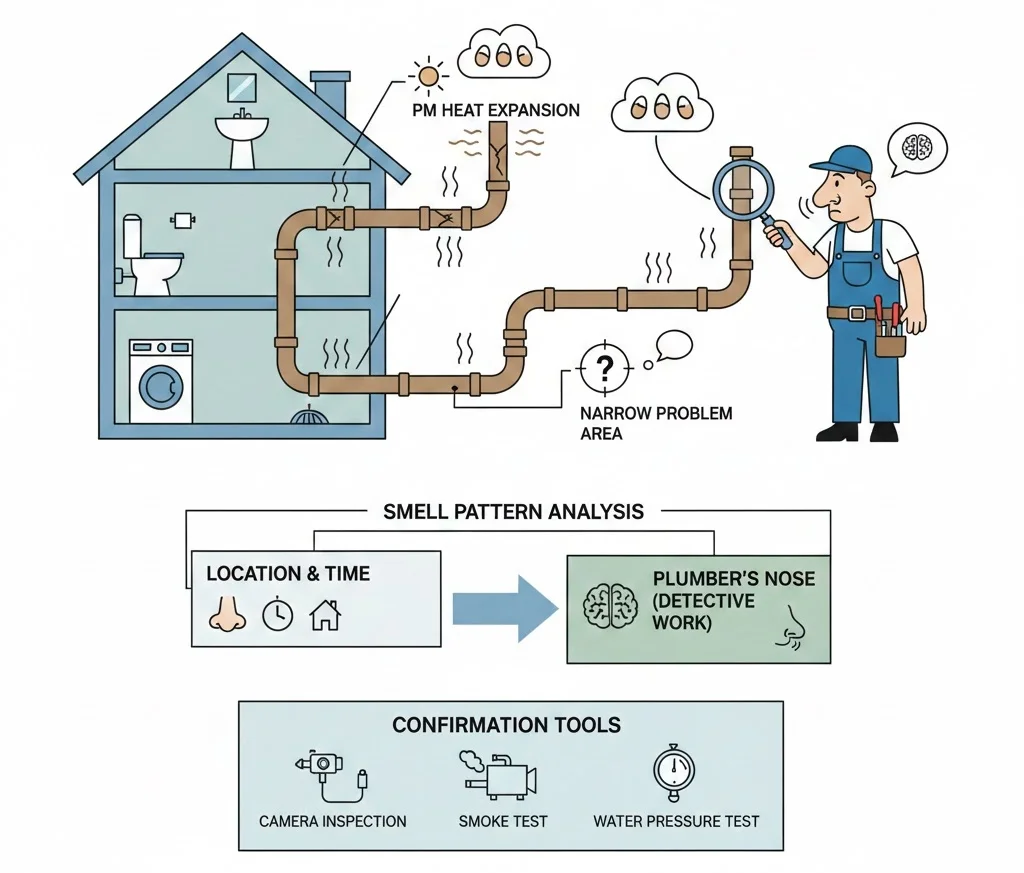
Plumbers pay attention to where the smell is strongest and when it shifts. A smell that gets worse in the afternoon might mean heat is expanding a cracked pipe and letting more gas through. One that’s concentrated near the basement floor drain points to a different section than one you’re catching near the upstairs bathroom.
It’s basically detective work with your nose, and experienced plumbers are surprisingly good at narrowing down the problem area just from odour patterns alone. From there, they bring in the more precise tools to confirm what they suspect.
4. Sending a Camera Down the Line
This is where things get definitive. A small, high-resolution CCTV camera on a flexible rod goes into the sewer line — usually through a cleanout access point — and travels through the pipe, sending back real-time footage. Cracks, root intrusion, corrosion, collapsed sections, buildup — it all shows up on screen.
The real value here is precision. Instead of guessing where the problem might be and digging up your yard to find out, the camera shows exactly what’s wrong and exactly where it is. That means repairs can be targeted — maybe a spot fix or a pipe relining rather than ripping out and replacing the whole line. The cost difference between those two approaches is massive.
Most plumbing professionals recommend camera inspections for older homes, or anytime there’s a recurring issue that surface-level fixes haven’t sorted out. It’s one of those things that pays for itself almost immediately in avoided guesswork.
5. Pressure Testing the Line
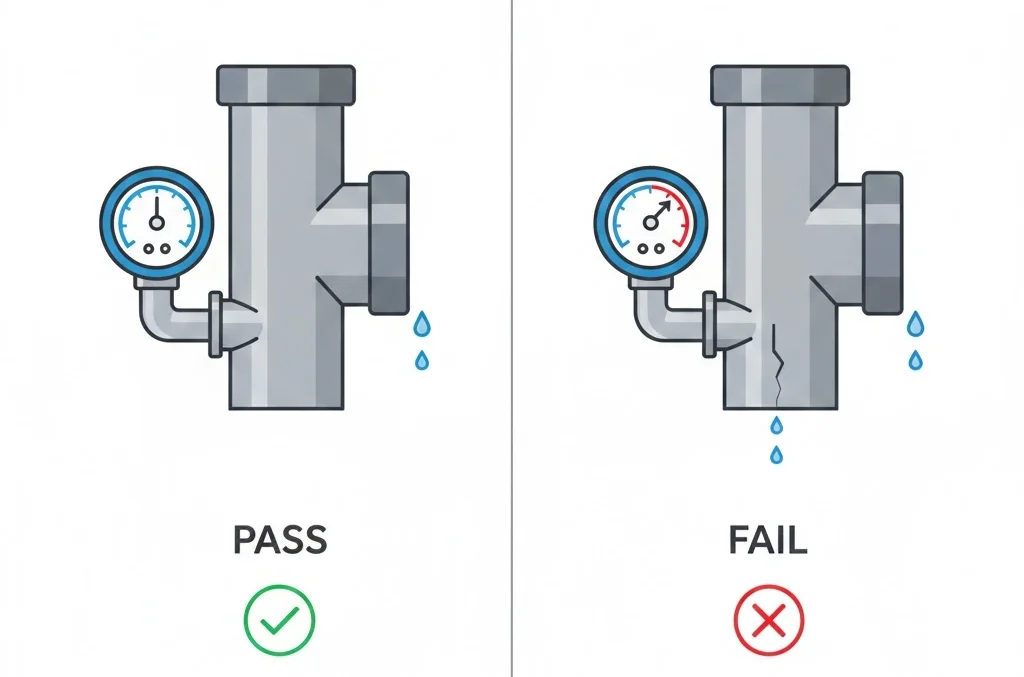
Pressure testing is straightforward but tells you a lot. The plumber seals the sewer line, fills it with water under controlled pressure, and watches the gauges. If the pressure holds steady, the line is intact. If it drops, there’s a leak or a weak point somewhere.
What makes this useful is that it catches problems you can’t see or hear yet. A hairline crack that hasn’t started causing symptoms will still show up as a pressure drop. Same with joints that have loosened slightly or sections where the pipe wall has thinned out from corrosion.
For older homes, especially anything with pipes that have been in the ground for 30+ years, this test gives you a clear picture of whether the system is still solid or whether you’re on borrowed time. Much better to find out on your own terms than during a backup at 2 am.
Comparison
| Method | What It Catches | How Invasive |
|---|---|---|
| Sound assessment | Pressure buildup, blockages | Not at all — just listening |
| Flow monitoring | Main line obstructions, root intrusion | Minimal — running water through fixtures |
| Odour tracking | Cracks, broken seals, trapped waste | None — sensory evaluation |
| Camera inspection | Cracks, roots, corrosion, collapses | Low — camera goes through existing access |
| Pressure testing | Leaks, weak joints, thinning pipes | Medium — requires sealing and filling the line |
Catching a sewer problem early versus late isn’t a small difference — it’s the difference between a targeted repair and excavating your entire front yard. A professional plumbing company running these checks regularly, especially on older properties or homes near large trees, saves you from the kind of emergency that wrecks both your weekend and your bank account.
If your drains have been doing anything unusual — sounds, smells, slow flow — it’s worth getting someone qualified to take a proper look before the small stuff turns into something much bigger.
 Decor & Improvement Accessories