

Home & Decor Blogs: DIY, Interior Design & Lifestyle Ideas
7 Important Considerations When Planning a Home Improvement Project

Many Filipinos choose to improve their homes as families grow and lifestyles change. Whether it’s upgrading the kitchen or creating a functional home office, these changes aim to make daily life easier and more enjoyable. Still, while the prospect of a better, more modern space is exciting, it requires careful planning to ensure that the project is practical and cost-effective.
Thoughtful preparation involves paying attention to various aspects of construction and renovation to manage expenses, schedule work for maximum efficiency, and reduce the likelihood of unexpected issues that could disrupt the project. When you pay attention to these factors, it also helps ensure that the finished space will function well and provide long-term value.
In this article, we’ll explore the key considerations every homeowner should keep in mind when planning a home improvement project.
1. Your Home Improvement Goals and Priorities
Your goals for the home improvement project set the foundation for a successful renovation. When you have clear objectives, it allows you to make informed decisions on design, materials, and project scope.
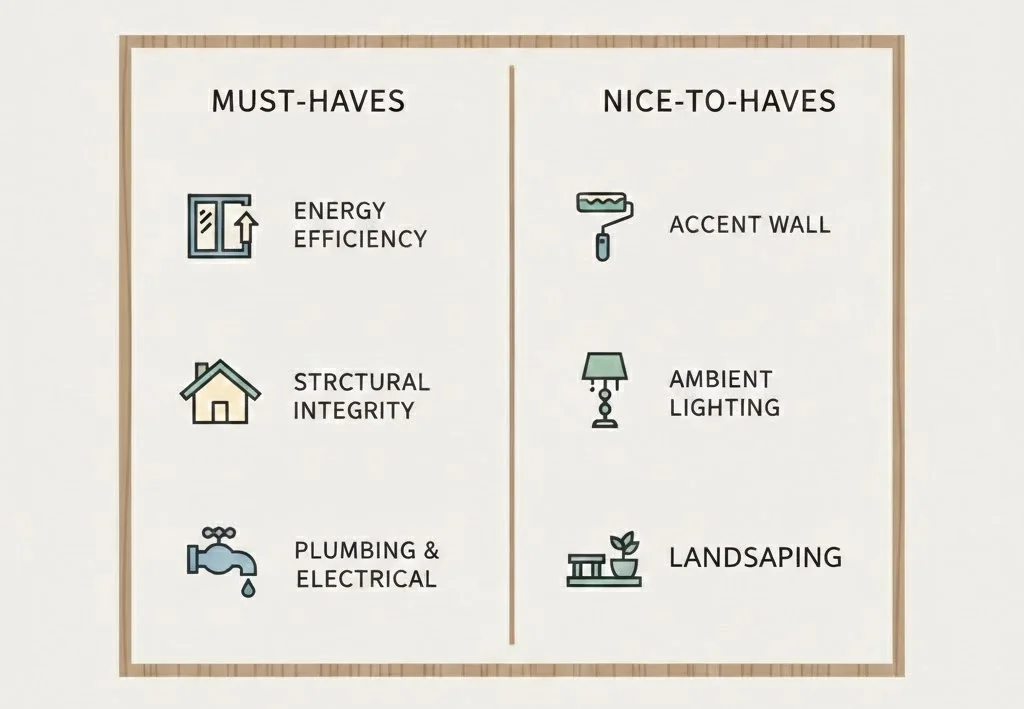
If you’re having challenges balancing desires with practical needs, list your “must-haves” and “nice-to-haves.” It will help you avoid overspending and ensure that essential improvements receive priority. For instance, installing energy-efficient windows may cost more upfront but significantly reduces utility bills over time. In contrast, decorative upgrades, such as accent walls or ornamental fixtures, can be scheduled for a later phase without disrupting the project’s main goals.
2. A Realistic Budget and Funding Options
A detailed budget prevents unexpected financial stress during renovation. When creating one, include costs for materials, labor, and a contingency fund of 10–20% to cover surprises such as hidden repairs or price increases. It’s also a good idea to get quotes from multiple suppliers and contractors to gain a realistic estimate and avoid overpaying.
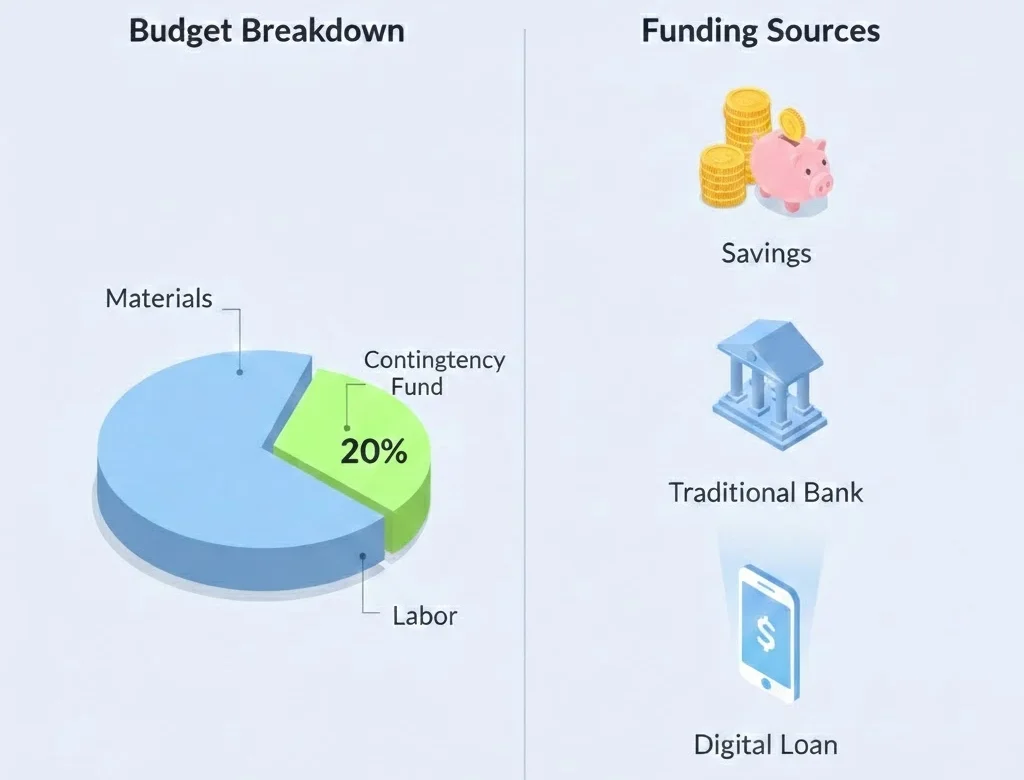
In terms of funding options, homeowners can tap into personal savings for smaller projects or consider home improvement loans from traditional banks for larger-scale renovations. In addition, digital banks and fintech platforms now offer online loans that process applications faster and with fewer documentary requirements, making financing more accessible. Evaluating interest rates, repayment terms, and eligibility criteria helps homeowners select an option that aligns with their financial capabilities and project scope. For example, Maya Personal Loans lets you borrow up to Php 250,000, with an add-on rate of only 0.77% per month for a 24-month term. Going by this, if you borrow Php 100,000, you’ll be paying around Php 4,900 a month, equivalent to a 1.40% effective interest rate.
3. The Project Timeline
Timing can make or break a home renovation. The Philippines’ climate, especially the wet season from June to October, can delay construction or create unsafe working conditions. Thus, whenever possible, schedule major work during the dry season, typically November to May. This ensures smoother progress and reduces the risk of weather-related setbacks.
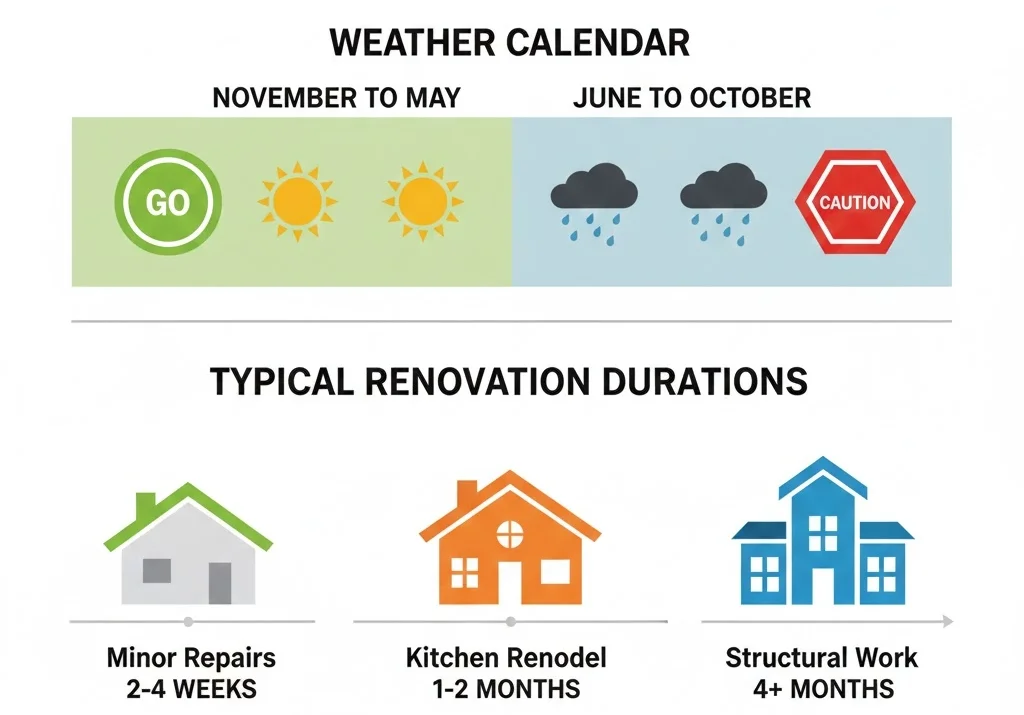
Project timelines also depend on scope, so plan accordingly. Simple renovations such as repainting, installing cabinets, or upgrading fixtures may take a few weeks, while extensive remodeling that involves structural changes or major plumbing work can extend for months.
4. Durable and High-Quality Materials
The selection of materials is another important consideration in any home improvement project. High-quality materials ensure that renovations last longer, require less maintenance, and maintain both safety and functionality over time. For instance, weather-resistant roofing and sturdy flooring help homes withstand the Philippines’ tropical climate, heavy rains, and humidity.
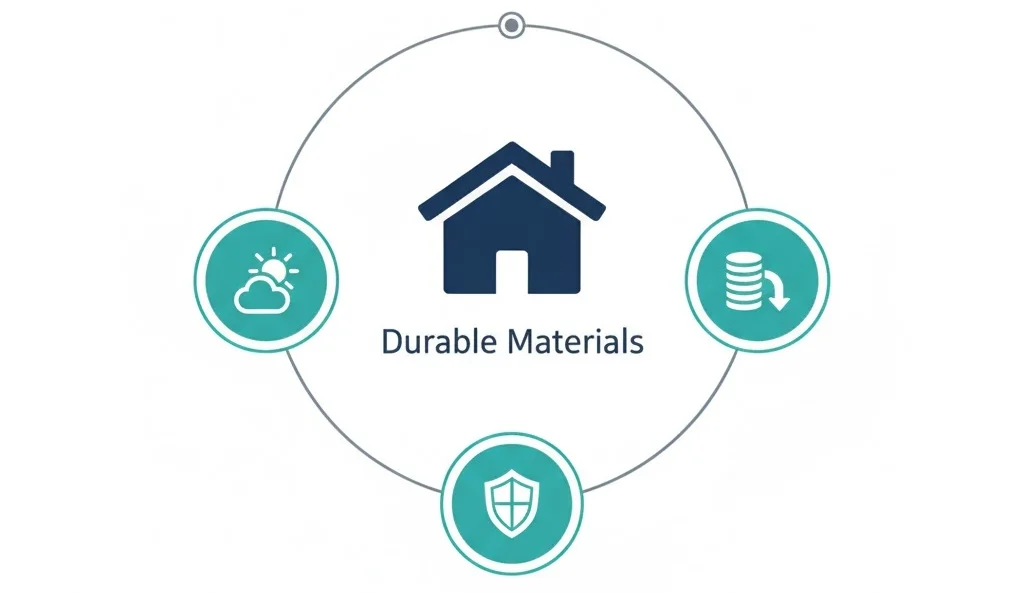
Although quality materials may cost more upfront, they reduce the need for frequent repairs or replacements, saving money and minimizing stress over time. Moreover, quality materials contribute to a more polished and professional-looking finish, enhancing both comfort and the overall value of the home.
5. Temporary Living Arrangements
Large-scale renovations can disrupt daily life. So if you’re planning a home improvement project soon, make arrangements in advance, whether it’s staying with relatives, renting short-term accommodations, or renovating in phases so that you can remain in the house safely.
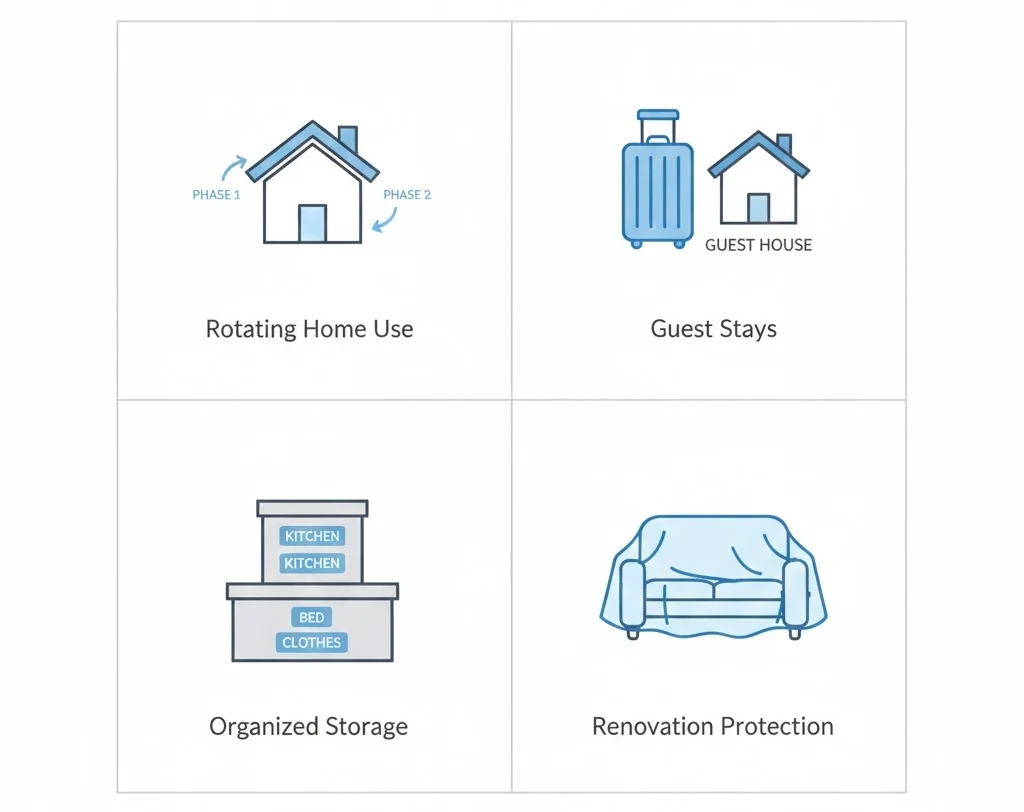
You also need to prepare your belongings and space for the project. Properly storing furniture, appliances, and personal items prevents damage and keeps the home organized. Label boxes, use protective covers, and designate storage spaces to keep everything secured. Such preparation reduces stress, allows work to proceed efficiently, and safeguards your belongings and your family’s well-being.
6. DIY or Professional Help
Homeowners often consider tackling certain tasks themselves to save money or gain a sense of accomplishment. For minor improvements, such as painting or assembling furniture, they can be manageable for DIY enthusiasts. However, complex work involving electrical systems, plumbing, or structural modifications should always be entrusted to licensed professionals to ensure safety and quality.
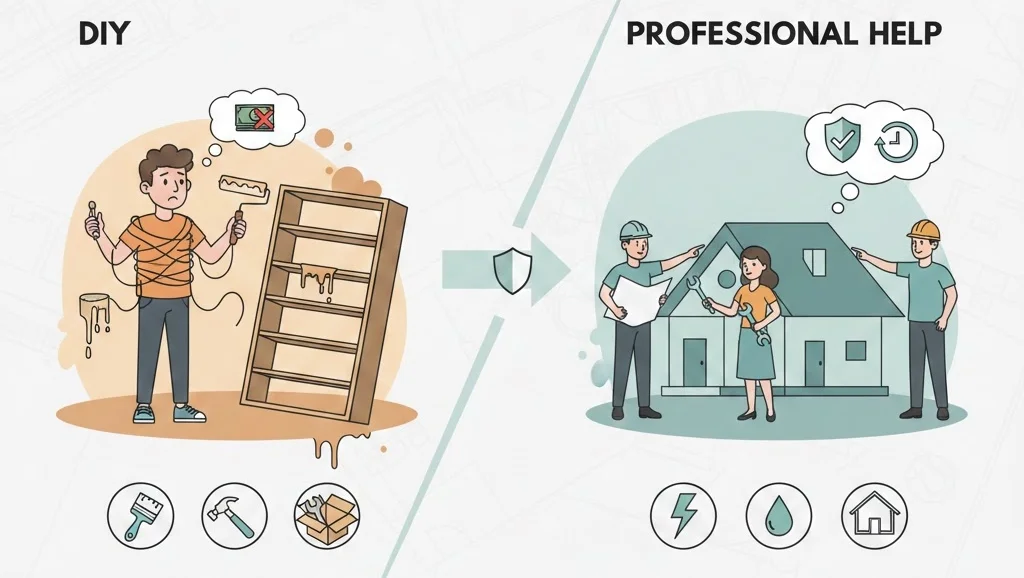
Architects, interior designers, and contractors can also provide expert advice, suggest cost-effective solutions, and anticipate potential issues before they become problems. Last but not least, working with professionals saves time and helps avoid costly mistakes that can arise from inexperience.
7. The Necessary Permits and Legal Requirements
When planning a home improvement project, homeowners must secure the required building permits from the local city or municipal engineering office before starting renovations that affect structural integrity, electrical systems, or plumbing. Skipping this step can result in fines, legal issues, or work stoppages.
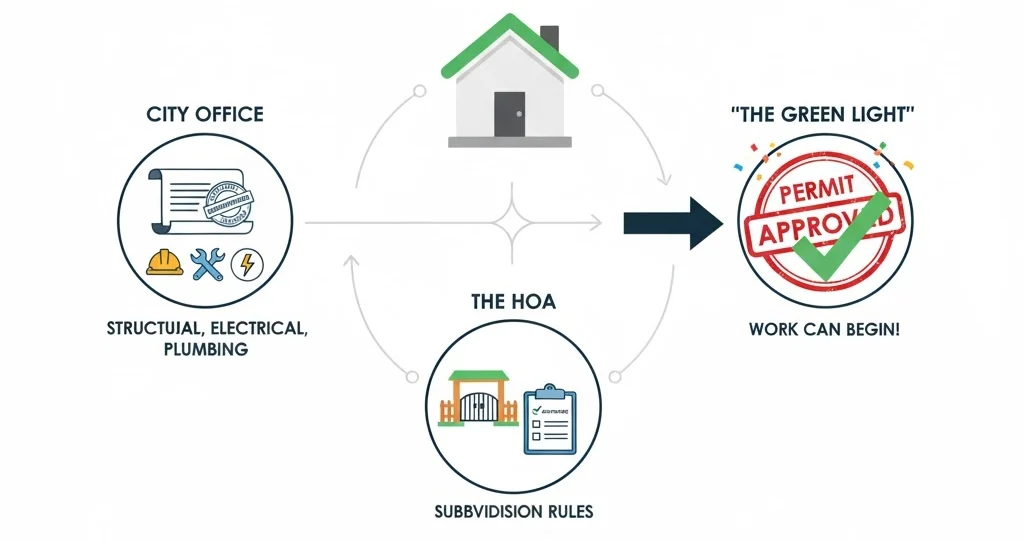
Additionally, properties located in subdivisions must adhere to homeowners’ association regulations. These rules can affect the types of renovations allowed, the hours of construction, and design aesthetics.
Look Ahead to a Successful Renovation
Careful preparation helps transform a house into a home that works for the family’s lifestyle and routines. So, take the time to plan each step, make informed decisions, and work carefully through the renovation process. Doing so allows you to move forward with confidence, knowing that your investment will result in a safer and more comfortable home.

 Decor & Improvement Accessories