

Home & Decor Blogs: DIY, Interior Design & Lifestyle Ideas
From Suburbs to Storefronts: What Security Looks Like in 2025
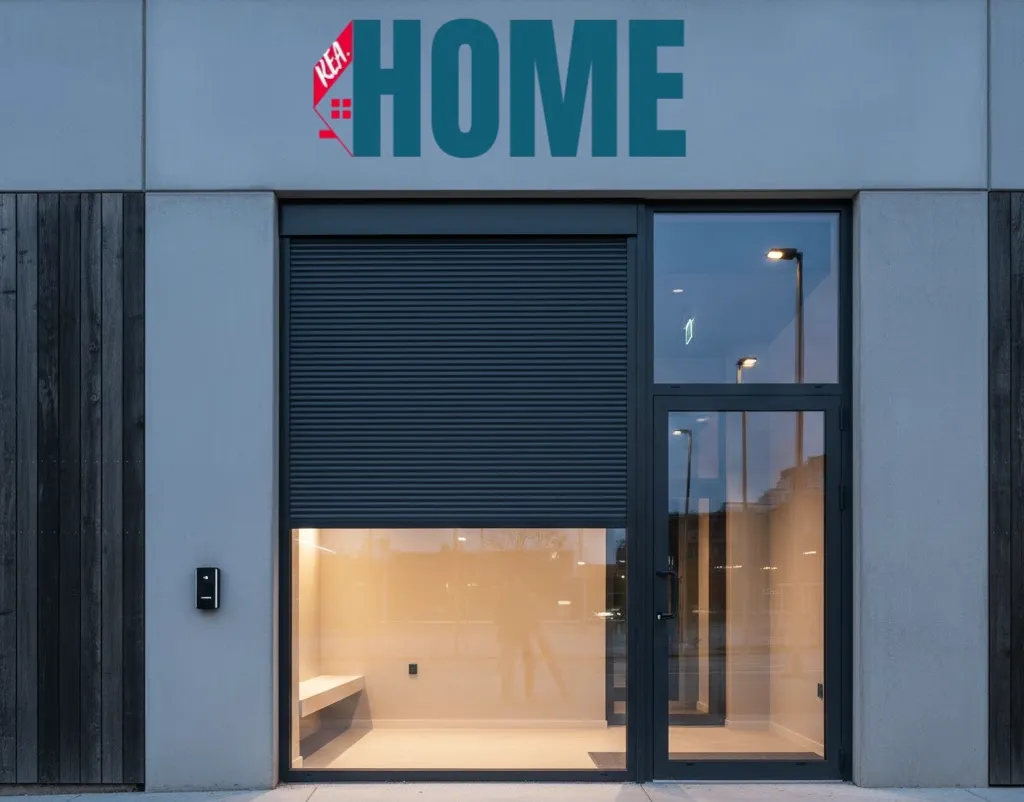
Ever stepped out of your home or business and felt that flash of worry—not just about theft, but about what one security breach might set off? In 2025, it’s not just about missing items. One incident can derail deliveries, damage your reputation, or pause operations completely. Security has evolved from being a silent feature to a visible sign of how prepared you are.
That’s especially true in places like Oklahoma City, where fast-paced growth and mixed-use properties are changing how people use their spaces. Garages are doubling as offices. Storefronts serve both retail and fitness clients. As properties become more flexible, the need for smarter, stronger protection grows with them. In this blog, we will share how the shifting landscape of property security is impacting both homes and businesses—and what proactive owners are doing to stay ahead.
Why Access Still Matters More Than Ever
Controlled access—on doors, gates, or roll-down shutters—is now the frontline of defense. This applies whether you’re protecting a garage in the suburbs or a retail space downtown.
More property owners are turning to physical deterrents with a clean design that doesn’t make a place look like a bunker. That’s where materials, installation quality, and vendor expertise come into play. Finding a reliable company that sells top-quality commercial shutter doors in OKC, for example, means you’re not just buying steel; you’re buying assurance that the system works when it’s needed most.
For storefronts, these solutions blend into the aesthetics of the building while still delivering the kind of heavy-duty performance needed to stop break-ins. For homes, especially those with garages or external storage areas, these same systems offer smart, low-maintenance options for peace of mind.
Adaptation Is the New Advantage
In 2025, resilience is becoming just as important as design. Owners are thinking about how fast a space can recover—not just how nice it looks. From weather to vandalism to supply chain issues, buildings need to hold up under pressure. And the first line of that protection is often how a space is sealed, secured, and monitored.
Some commercial spaces are now used for part-time e-commerce operations, side hustles, or short-term rentals. The same goes for garages and sheds in residential areas. The lines are blurry now. And as these hybrid uses grow, the need for adaptable security grows with it.
A system that only covers one use case won’t cut it anymore. You need products and plans that cover multiple scenarios: deliveries at 6 a.m., customers at 9, and closing procedures at 7. Flexibility isn’t just a feature—it’s a business advantage.
What to Watch for in Property Design
Architects and developers are responding to this shift with layered protection strategies. These include structural reinforcements, smart lighting layouts, and more attention to entry points. For commercial properties, storefronts are being designed with security in mind from the start. Large windows may have integrated roll-down covers. Rear access doors might come pre-installed with multi-lock mechanisms.
Residential builders are taking cues from this playbook, too. More new homes are including spaces that can convert from storage to small business use, and those spaces are built with higher standards for security. Retrofitting has become more common as older buildings try to catch up with modern needs.
For both sectors, the goal is clear: build once, protect always.
Security as a Selling Point
Buyers and tenants are noticing. Whether someone is purchasing a home or leasing a retail space, they want to know how that space holds up when no one’s looking. A beautiful kitchen won’t matter if the front gate can be kicked in with one push. A polished storefront loses value if it takes two weeks to replace the shattered glass after one incident.
This is why more listings are now highlighting security features in the description. Not as an afterthought, but as part of the main appeal. Controlled access, secure shutters, and monitored entrances are not just additions. They’re value points. They make properties more appealing. More rentable. More sellable.
Owning the Future by Owning the Perimeter
Security in 2025 is no longer about responding to crime. It’s about preventing loss before it happens. It’s about control, peace of mind, and readiness. From the suburbs to the commercial corridors, property owners are recognizing the importance of well-designed protection.
Whether you’re locking up a smallr closing down a retail shop, your first move in any situation should be the same: build smart, secure access from the start. It’s easier to protect a building before trouble shows up.
In the end, security is what gives every other decision room to grow. When you trust your doors, you trust what’s behind them. And in 2025, that might just be your biggest advantage.

 Decor & Improvement Accessories