

Home & Decor Blogs: DIY, Interior Design & Lifestyle Ideas
How HVAC Systems Impact Indoor Air Quality
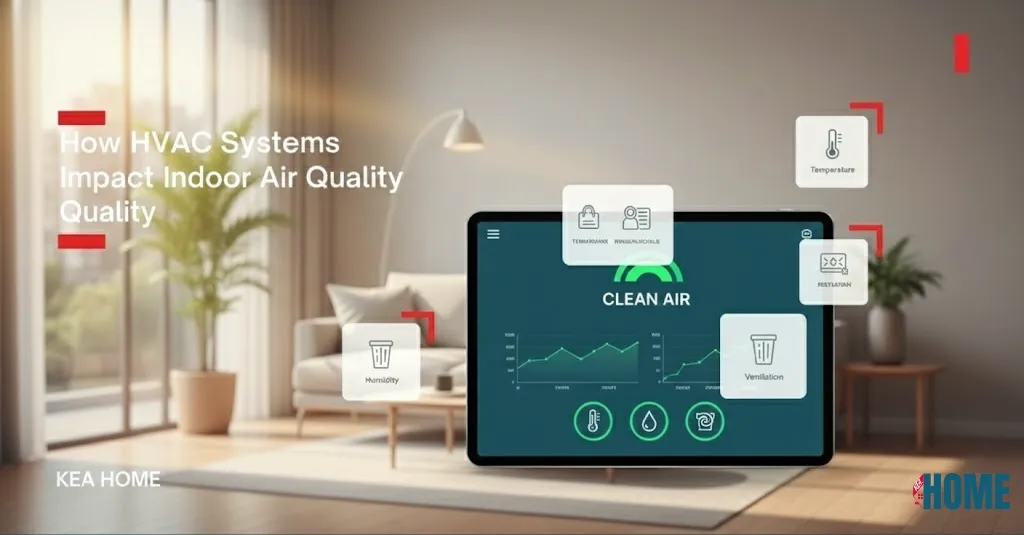
We all spend approximately 90 percent of our time inside. That is an issue when you take into consideration that indoor air may be two to five times higher than the one outside as reported by the EPA. Dust, pet dander, mould spores, the fumes of cleaning products and the vapours of cooking are all accumulating in your home – and you are inhaling it all, unless your home is properly ventilated and filtrated.
Your HVAC system does not just heat and cool your house. It draws air via return ducts, filters it and conditions it and forces it out through supply vents. In the process, it regulates the moisture content as well as eliminates the air pollutants. Things go well and you have comfortable temperatures and cleanlier air. Lack of that produces stifling rooms, lingering smells and possible health impacts such as headaches, chest irritation and allergic attacks.
This is the way every role of your HVAC system influences breathable air – and what you can do to get it to work better.
Humidity Control
When cooling, your HVAC system removes the moisture in the air, hence the reason why you can run the AC in a damp day in summer and your house feels less sticky. About humidity, though, it is not only a comfort matter.
EPA advocates indoor humidity at between 30 and 50 percent. Past 60 percent and you are developing environments that promote the growth of molds, bacteria, and dust mites. Below 30 and you will have to contend with dry skin, chapped lips, inflamed airways and a higher chances of respiratory infection.
A simple humidity detector can be purchased at any hardware store at approximately 10 dollars. Measure your levels in other rooms and at the various times of the day. When your humidity frequently rises past 50-55, then your air conditioner may underperform, or you may be having a problem with water intrusion in the house or may require a special purpose dehumidifier. When it falls below 30 in the winter seasons you can use a whole-house humidifier that is attached to your furnace.
Midwifery does not only damage the health of your home but also damages your home. Wood floors are getting warped, paint is peeling and mold begins to grow in corners and behind the walls. A humidity issue is currently less expensive to address than a mold remedial issue in the future.
Temperature Regulation
Constant temperatures do not merely make you comfortable. Extensive fluctuations of temperature between hot and cold may make your breathing system irritable, particularly when one has asthma or allergies. Your HVAC system will operate with thermostats and sensors to ensure that there are constant temperatures in the day that will compensate the weather changes outside, thus you do not have to.
This is further done by zoned HVAC systems that allow you to have varying temperatures in different spaces. Cool bedrooms to sleep in and heating living room to relax in. This also implies that you are not heating or air-conditioning rooms that no one is using and this saves you energy bills.
It will condense if you notice that certain rooms always feel hotter or colder than the rest this is normally an indicator of duct work issues, poor insulation or a system that was not adequately sized to the house.
Ventilation
A house covered up traps pollutants in the house. Fumes in cooking, the odors of cleaning products, the off-gassing of furniture and paint, carbon dioxide and breath – all of that ends up not being ventilated properly.
Your HVAC system supplies air in your house and certain systems even introduce fresh air outside your home diluting the pollutants inside your home. This intermittent air change removes stifling odors, decreases the levels of volatile organic compounds (VOCs), and keeps oxygen levels stable.
The pipework is as important as the equipment. Weeping ducts draw in dusts and rubbish in attics, crawl spaces and wall cavities. Improperly constructed duct lines are formed that form dead zones where the air does not move. Ducts over time swell up with dusts and allergens and in some cases, moulds, particularly where there has been some form of moisture intrusion.
Professional duct cleaning will get rid of accumulated contaminants and ensure that it does not circulate in your house. Sealing the ducts by covering the duct leaks enhances efficiency in airflow and prevents unfiltered air from entering the building.
Filtering Contaminants
That is where your HVAC system pulls the harmful elements of your air right out of it. Each time the air goes through the filter, dust, pollen, pet dander, mould spores, and other contaminants are trapped. The quality of such a filter decides what it catches and leaves through.
The ratings of filters are determined in the form of MERV (Minimum Efficiency Reporting Value) values. The higher the MERV, the finer the filtration – it is not as easy as buying the maximum number possible.
MERV 8-10: Good for most homes. Catches dust, pollen, and pet dander. This is what most residential systems are designed to handle.
MERV 11-13: Better for allergy sufferers. These filters trap smaller particles, including mold spores, smoke, bacteria, and finer pet dander. ASHRAE (the organization that sets HVAC standards) recommends MERV 13 for residential use.
MERV 14-16: Hospital and laboratory grade. Most home HVAC systems can’t handle filters this dense – they restrict airflow too much and make your system work harder.
The snag here is this: a filter that is of too high a MERV rating than your system will impose a burden on your blower motor, which is making it work overtime. This raises the costs of energy and may destroy equipment. Visit the specifications of your HVAC manufacturer prior to upgrading, or consult a technician on what your system has the capability to handle.
Other HVAC systems have activated carbon filters, which absorb VOCs found in cleaning materials, paints, and air fresheners. These substances cause irritation of the eyes and throat, cause headaches, and some are associated with severe health effects when exposed over a long period.
When to Change Your Filter
A dirty filter can increase your air conditioner’s energy consumption by up to 15%. It also means particles that should be trapped are passing through and circulating in your home.
Basic fiberglass filters (1-inch): Replace every 30 days. These are cheap but not very effective.
Pleated filters (1-inch): Replace every 60-90 days under normal conditions.
Thicker pleated filters (4-5 inches): Can last 6-12 months because they have more surface area to trap particles.
These timelines assume average conditions. You’ll need to change filters more often if:
- You have pets (every 60 days or less – pet hair and dander clog filters fast)
- Someone in your home has allergies or asthma (every 30-45 days)
- You live in a dusty area or near construction
- You run your system constantly during extreme weather
- You smoke indoors
The easiest way to know when a filter needs changing: hold it up to a light. If you can’t see light through it, swap it out. A gray, visibly dirty filter is long overdue for replacement.
Health Effects of Poor Indoor Air Quality
Unhealthy indoor air does not necessarily present its symptoms very clearly. It is sometimes not so obvious – you become more tired, more prone to headaches, or you are allergic to something when you feel not so well. Other occasions it is more painfully evident: coughing, sneezing, eye irritation or respiratory diseases that reoccur.
Asthmatic, allergic and already diseased respiratory conditions are the first to suffer. It is also more susceptible in children and old members of the family. Nevertheless, even healthy adults may develop issues due to the long-term exposure to the poor air quality.
Common culprits include:
- Dust mites (thrive in humidity above 50%)
- Mold spores (grow when humidity exceeds 60%)
- Pet dander (accumulates without proper filtration)
- VOCs from household products (build up without ventilation)
- Combustion byproducts from gas stoves and fireplaces
Most of these can be solved by your HVAC system provided that it is maintained. Maintain the humidity level between 30 and 50 percent, install the right type of filters and replace them frequently and ensure ductwork is free of dust and remains covered.
Signs Your HVAC Isn’t Doing Its Job
- Humidity feels off (too sticky or too dry) even when the system is running
- Musty or stale odors that don’t go away
- Visible dust accumulating faster than usual
- Hot or cold spots in certain rooms
- Increased allergy or asthma symptoms at home
- Higher than normal energy bills
When you realize these problems, begin with the simplest ones: you need to check your filter, test your thermostat, and examine apparent ductwork to identify apparent problems. In case of any problems, invite a technician to check your system. Early identification of problems is cheap to correct as compared to that of problems that have not been addressed until a problem arises.
Keeping Your System Working
Your HVAC system can only improve air quality if it’s maintained. That means:
- Checking and replacing filters on schedule
- Keeping return and supply vents unobstructed
- Scheduling professional maintenance at least once a year
- Addressing humidity problems before mold develops
- Having ductwork inspected and cleaned when needed
Having an air conditioning system that is well maintained is just a quiet job in the background of the system – it filters the contaminants, regulates the moisture content and maintains air flow. Don’t care about it and you will feel the difference in your comfort, health and energy bills.
 Decor & Improvement Accessories