

Home & Decor Blogs: DIY, Interior Design & Lifestyle Ideas
7 Key Reasons to Use Organic Bark Mulch for Healthier Garden Beds

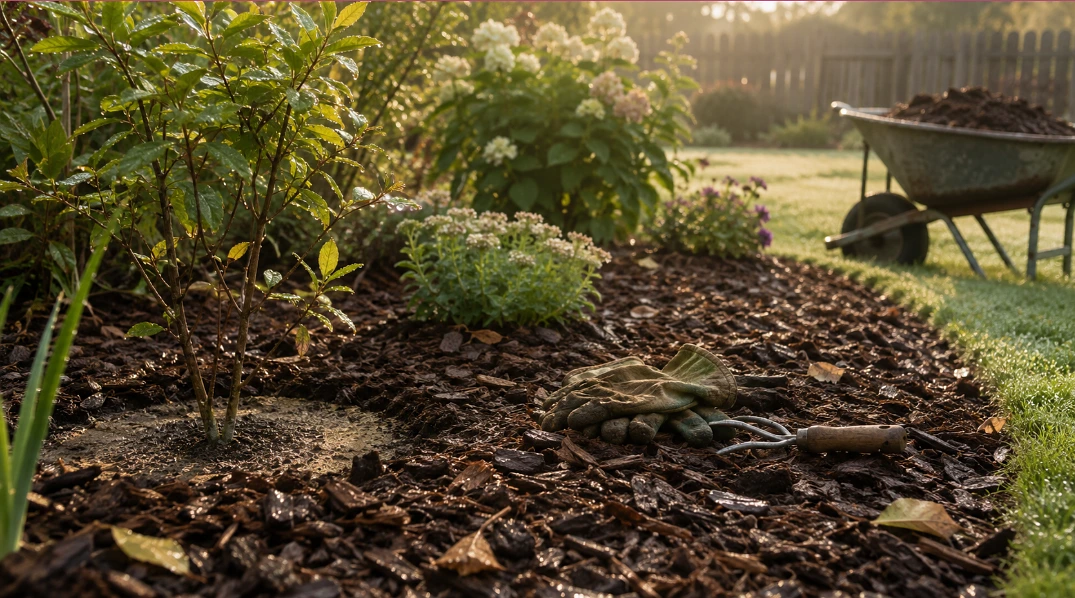
Every good gardener will have some practices that he/she adheres to at all times, and one of them is keeping soil covered at all times. A visit to the public gardens, your neighbor’s good-looking garden or any large vegetable garden will show you that there is little open soil. It has a reason why it is so. Good soil is covered soil.
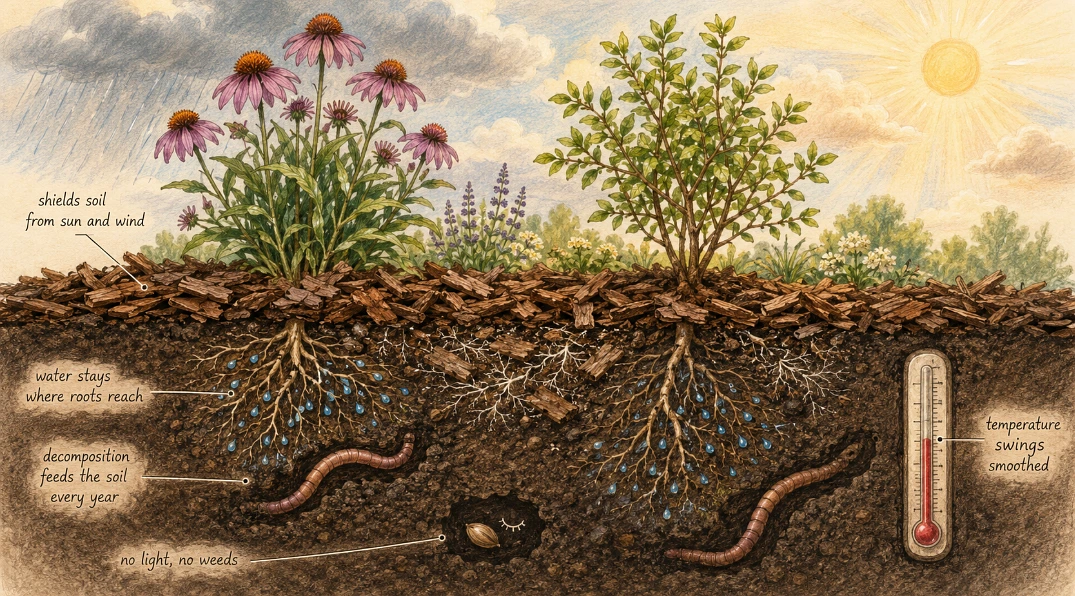
Many people consider mulching as an aesthetic activity since it makes flower beds look neat. The most important function of mulch, however, goes on beneath the ground level. Mulching helps retain moisture in the soil, protects against weather elements, and adds nutrients to the soil gradually as it decomposes. The gardener doesn’t have to treat the symptoms of soil dryness or soil erosion since mulching will prevent these from happening in the first place. That is why gardeners who use Bark for many years do not usually go back to leaving their beds open.
Bare Soil Loses More Water Than Most People Realize
- Watering your plants may not always be the solution to their seemingly dry appearance. Most of the time, the real issue lies in the rate of evaporation of the water you give them.
- When sunlight and wind touch bare soil, water starts to leave right away. A layer of Wood mulch puts a cover on it and keeps the sun from hitting it straight. This helps water to stay in the soil more, so plants’ roots can use it for longer. You do not have to water as much when it is hot outside.
- This is most helpful when there is not much rain for a long time. It also matters in places where there are rules about how much you can use water for your garden.
Weeds Have a Harder Time Getting Started
- The weeds are not going to grow because of the neglect in the garden. Seeds are available in the soil and only need sunlight to grow.
- Covering the soil with an organic bark breaks this process. If there is insufficient sunlight reaching the soil, then the weed seeds will be unable to grow and become plants.
- You may encounter some weeds since the wind may have brought some seeds to your garden. Nevertheless, it is quite easy to pull them out due to the loose nature of the mulch.
Healthy Gardens Depend on Healthy Soil
- A major advantage of organic mulches is that their effects last for a long time after application. The natural process of decomposition of the mulch layer differs from that of gravel or artificial covers. It is facilitated by fungi, earthworms, and microorganisms in the soil. This decomposition process enriches the soil with organic matter every year.
- It has been observed by gardeners that clayey soil, which is compact, becomes more workable with time. Similarly, sandy soil, which drains very easily, starts retaining water after some time.
Roots Benefit From a More Stable Environment
- Plants respond to what is happening under the ground before you can see any changes on top.
- Summer afternoons can make open soil hot in no time. Then, clear nights in autumn can cool it just as fast. These changes in the soil put stress on young roots that they do not need.
- Bark can help ensure this process is sustained. The soil usually stays cool even when it is hot, but on the other hand, it retains heat for a longer time period when it is cold. This will be good for young shrubs and perennials when growing roots.
No Need to Let Heavy Rain Wash Away Your Efforts
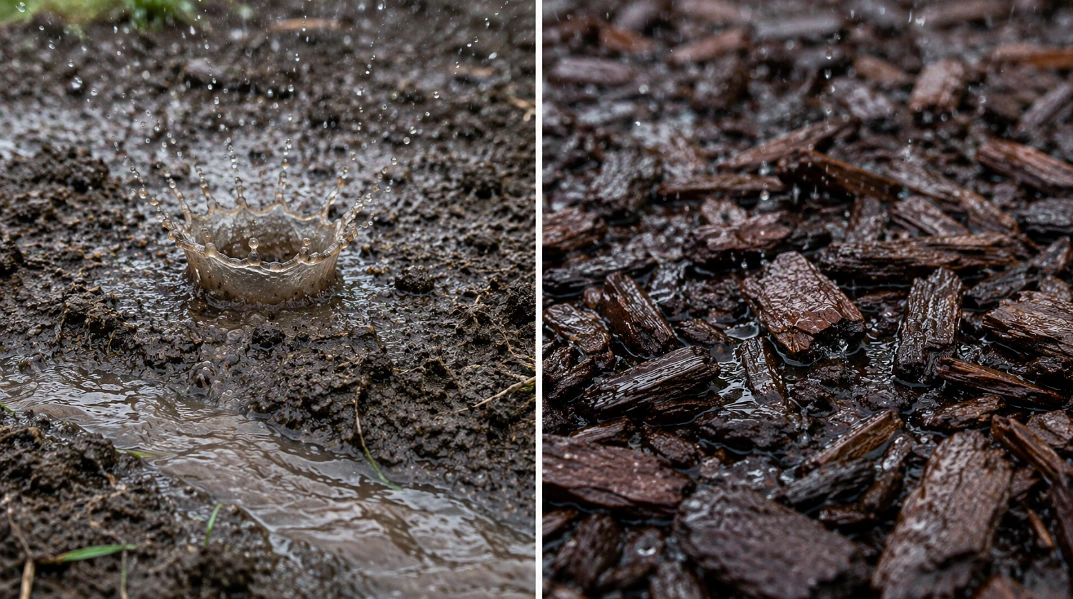
When rain hits dirt that is open to the air, it can smash the top layer of soil. This makes the soil pack down and wash away. It also takes away good topsoil that plants need. If the dirt is on a slope, the problem gets worse. Bark mulch takes in a lot of the impact before water gets to the soil. It stops rain from moving fast over the surface. Instead, water goes through slowly. This lets moisture go down into the soil, so plants can use it.
Cleaner Plants Often Stay Healthier
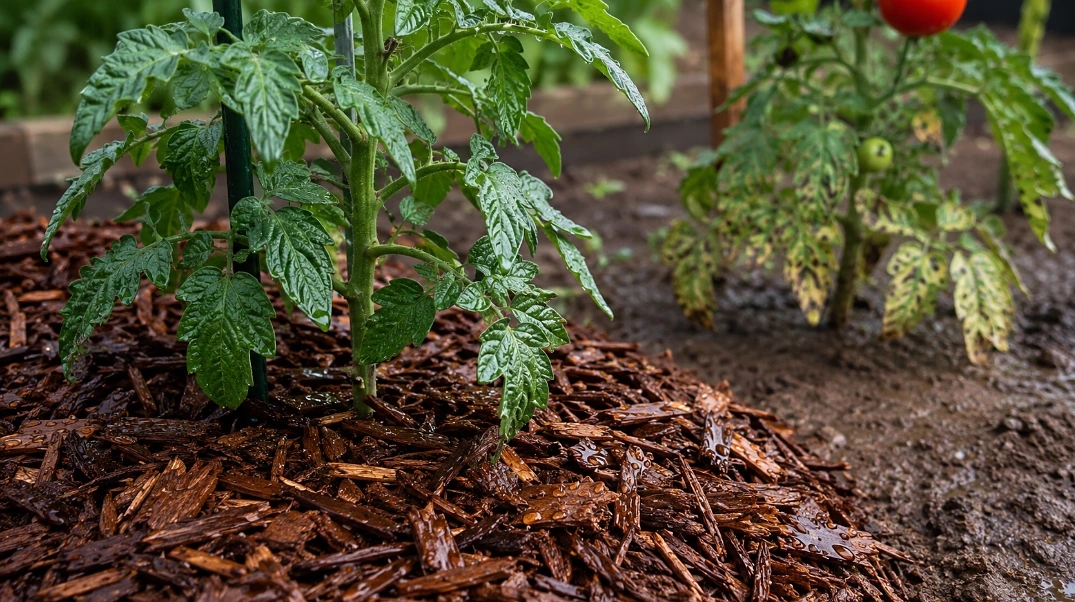
- Rain does more than just help plants grow. It can also spread disease. Many fungal problems often start when dirt gets on the lower leaves during storms or when you water from above. Tomatoes, roses, and hydrangeas can get this kind of problem very easily.
- When you cover the bare soil, bark keeps the dirt from splashing. It also helps keep leaves cleaner during the growing season. Good space between plants and good air movement are still very important. But mulch gives another way to help keep your plants safe, and people can forget about how useful it is.
A Garden Usually Looks Better Without Trying Harder
Not every benefit is hidden below the surface. Fresh Natural mulch makes planting beds look more tidy right away. It shows a big difference around flowers and bushes. It also covers up things like irrigation lines. With bark, planting spaces feel linked together. A garden without any weeds or one that hasn’t been planted for some time can also look maintained. If the whole soil is covered, it will give an impression of being well maintained.
Getting the Most From Bark Mulch
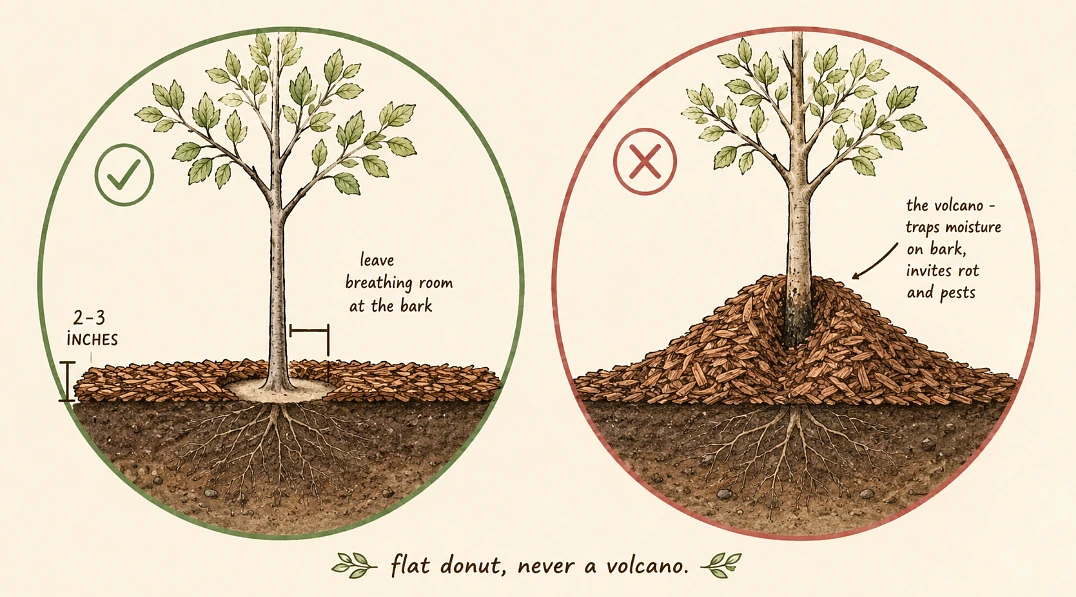
Putting mulch on the right way really helps. For the majority of gardens with flowering plants, a depth of around two to three inches is sufficient. If there is not enough mulch on your garden bed, you will be able to see parts of the bare soil. If it is too thick, it will prevent proper aeration of the soil and retain water.
It is always wise to allow a little space between the tree trunk and plant stems. It is important to avoid placing mulch next to the tree bark. It will help reduce any possibilities of rot. It will also prevent pests from living close to the plant roots.
 Decor & Improvement Accessories