

Home & Decor Blogs: DIY, Interior Design & Lifestyle Ideas
Bathroom Upgrades for Buffalo Homes Built Before 1940 (Which Is Most of Them)
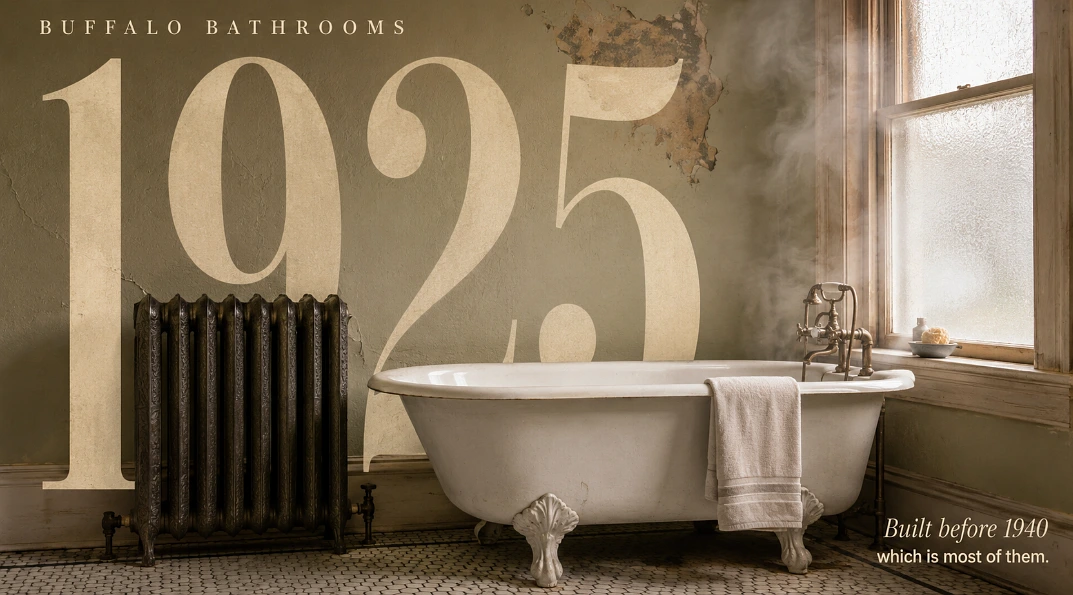
Somewhere around 61 to 64 percent of Buffalo’s homes went up before 1940, and that’s the highest share of any large city in America, ahead of St. Louis, Cleveland, Pittsburgh and Boston. So when a Buffalo homeowner says the bathroom feels cramped and dated, that’s not a decorating opinion, it’s usually a factual description of a room designed in 1925 for a household that bathed on a schedule. The good news is the same one the real estate agents give about these houses generally: the construction is excellent and the bones will outlast all of us, so upgrading the bathroom is worth doing properly, because the house is staying.
The Bathroom You Probably Have
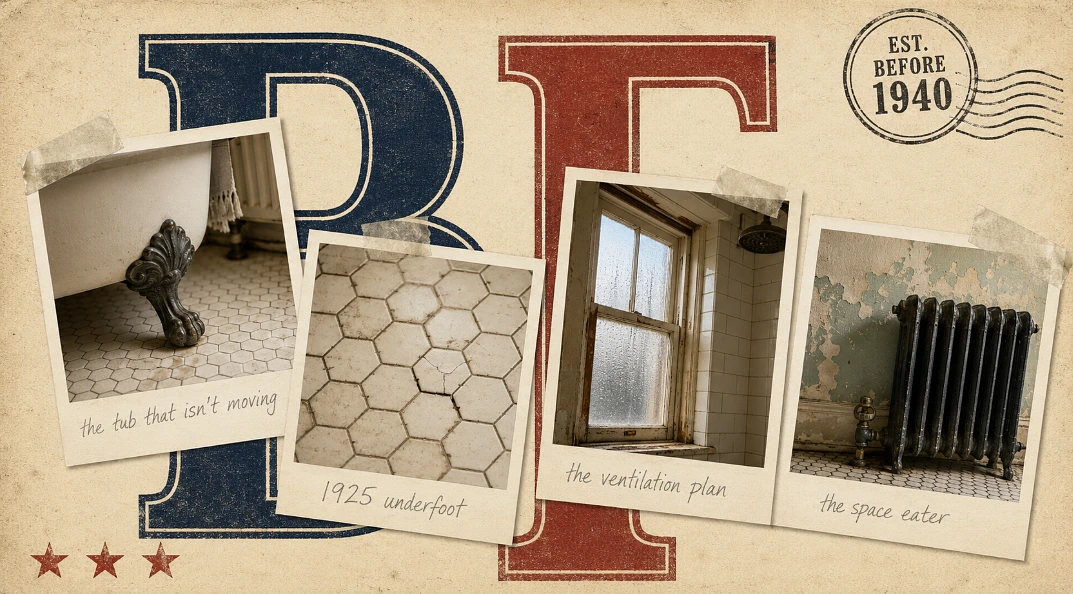
Doubles and converted flats make up 43 percent of Buffalo’s housing, the single most common type in the city, and the foursquares and Victorians fill in most of the rest. The bathroom pattern repeats across all of them: one full bath upstairs, often the only one in the house or the only one per flat, and it usually comes with some mix of the following.
- A cast iron tub, either clawfoot or built in, heavy enough that removing it is a project decision on its own.
- Small hex or penny tile on the floor, plaster walls, and a radiator taking up real estate.
- A window inside or next to the shower, because that window was the ventilation plan in 1925.
- No exhaust fan at all, and supply pipes that are original galvanized steel behind the walls.
That last pair matters more than the tile color ever will, and it shapes everything below.
Budget for What’s Inside the Walls
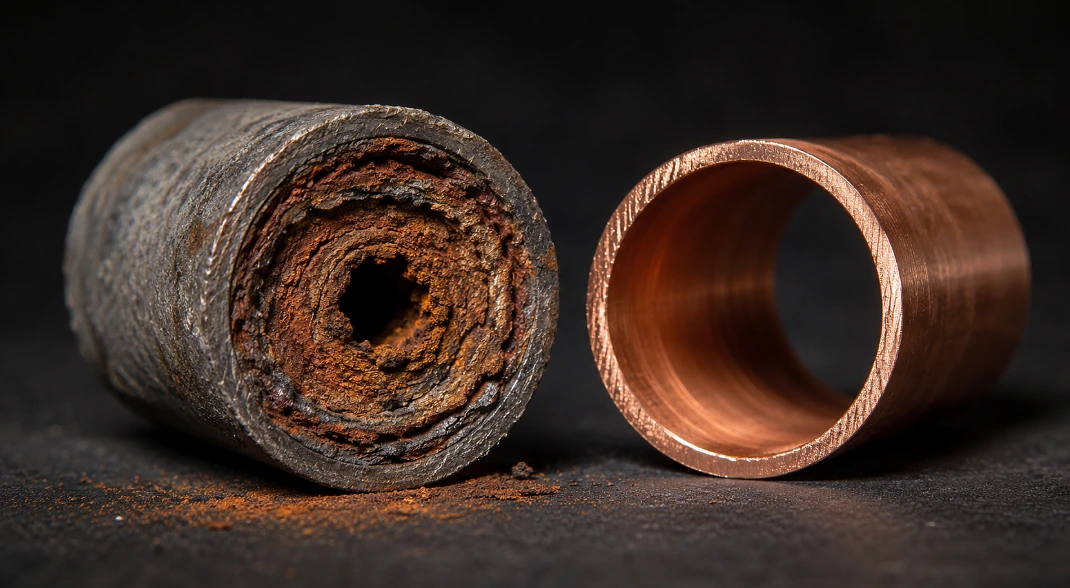
Open a plaster wall in a Buffalo bathroom and you meet the house’s real age. Galvanized supply lines corrode from the inside over decades, which is why the shower pressure has been slowly dying, and the drain plumbing can include old drum traps that no current code loves. Floors in these houses are rarely level and framing was sized for a claw tub, not a tiled curbless shower. None of this should scare you off, but all of it should be in the plan, because the moment the wall is open is the cheapest moment those pipes will ever be replaced. A remodel that swaps fixtures and leaves 1930s galvanized behind fresh tile has spent the money and kept the problem. Carry a contingency and expect the first day of demolition to adjust the plan, that’s normal here, not a scam.
Winter Makes Some Decisions for You
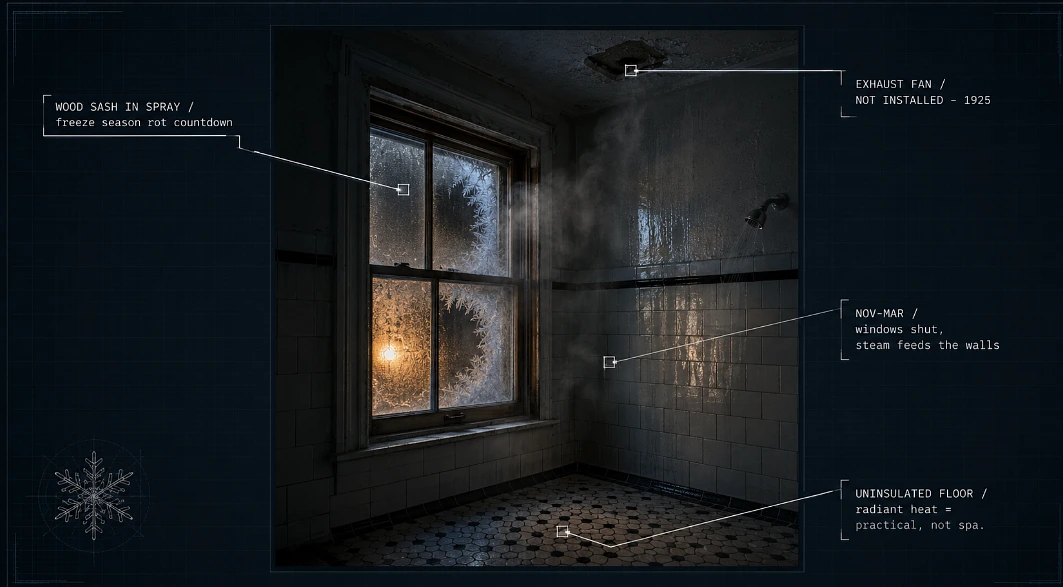
From November to March the windows stay shut, and a bathroom with no exhaust fan spends those months feeding every shower’s steam straight into plaster walls and window frames. Mold and peeling paint in Buffalo bathrooms are mostly a ventilation problem wearing a paint problem’s clothes, so a properly sized exhaust fan vented outside, not into the attic, might be the highest value single upgrade in this whole article. The window in the shower deserves a decision too, either replaced with glass block, swapped for vinyl and protected properly, or removed in the remodel, because a wood sash sitting in shower spray through freeze season is on a rot countdown.
And then the floors. Bathroom tile over an uninsulated floor here is genuinely cold from November through March, which is why electric radiant heat under the new floor gets treated locally as a practical upgrade rather than a spa luxury. If the bathroom sits over an unheated space or against an exterior wall, insulating during the remodel also protects the new supply lines from the freeze that killed somebody’s pipes on your street last February.
Materials That Fit This Housing Stock
Porcelain tile over radiant heat is the classic answer and still a great one, and if the house has original hex tile in decent shape, keeping or matching it preserves the character these houses sell on. But luxury vinyl plank has earned its popularity here for a practical reason: it’s fully waterproof, warmer underfoot than bare tile, and forgiving on the slightly uneven subfloors that come standard in homes this old, at about $3 to $8 per square foot installed. For a full bath get a 20 mil or thicker wear layer with a rigid core. On the walls, grout is the maintenance tax of any bathroom, so large format tile or solid surface panels cut the scrubbing in a room that works hard, and matte or textured floor finishes beat gloss anywhere winter boots and wet feet share a house.
Basement bathrooms deserve their own line because Buffalo adds them constantly, and concrete slabs down there push moisture vapor up from below, which destroys ordinary adhesives. Get a moisture test before any basement floor goes in, and use a vapor rated install.
The Tub Question in a One Bath House
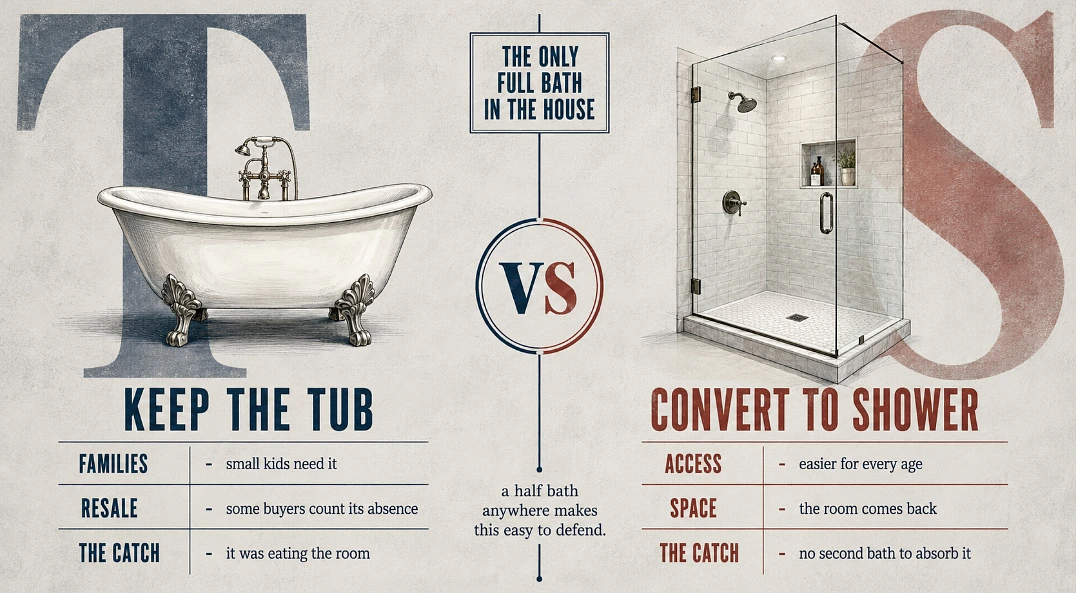
Tub to shower conversions are the most requested change in these bathrooms, and for good reason, a low curb walk in shower is easier for every age and the old tub was eating the room. Companies doing bathroom remodels in Buffalo quote these as package jobs, the national bath brands and the independent local crews both, and comparing one of each is the fastest way to see the real price spread. But think twice before removing the only tub in a one bath house. Families with small kids need a tub, some buyers will count its absence against you, and in a house with a single full bath there’s no second bathroom to absorb the decision. If the house has any half bath or basement bath potential, converting the main bath to a shower gets much easier to defend.
What It Runs and When to Book It
Buffalo remodel money goes further than the national guides suggest. A targeted refresh, fixtures, flooring, vanity, paint, runs around $5,000, full gut renovations of these old bathrooms reach $35,000 and up once plumbing relocation and structural surprises join in, and most projects land somewhere between. Winter is a fine time to do it, the work is indoors, contractor calendars loosen after the outdoor season ends, and you’ll have the bathroom sorted before the house fills up again in summer. Get three itemized quotes, ask specifically what happens to the galvanized lines and where the fan vents, and treat any bid that never mentions either as a bid that hasn’t met your house yet.

 Decor & Improvement Accessories