

Home & Decor Blogs: DIY, Interior Design & Lifestyle Ideas
Setting Up a Rental With Roommates: A Room by Room Decor Guide

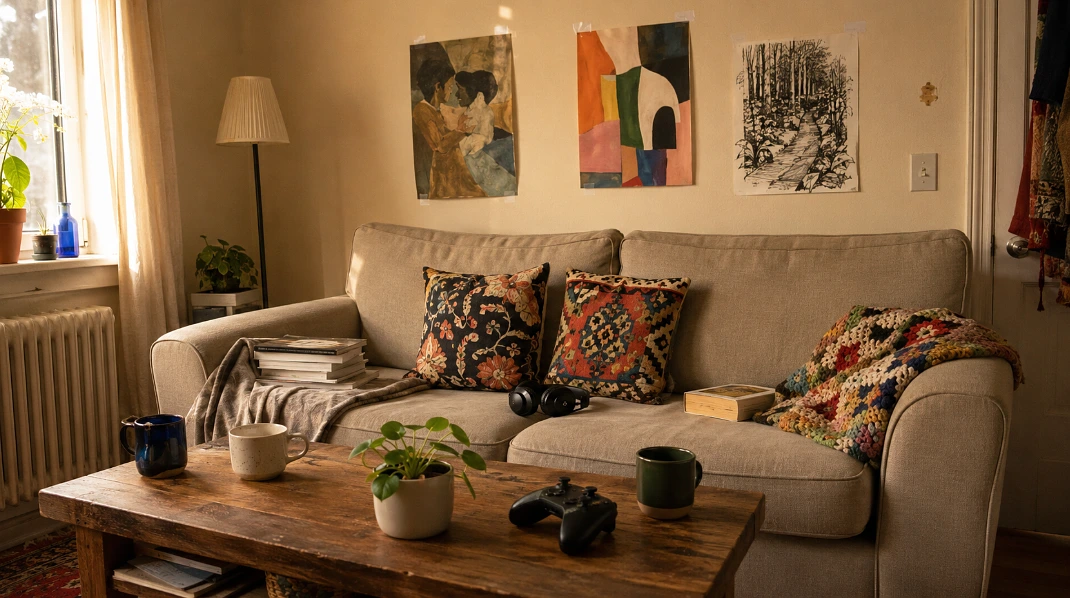
Moving into a shared rental means decorating a home where your taste is only one vote, and honestly that changes everything about how you set the place up. The couch has to survive people who treat couches differently, the kitchen has to work for cooks who will never agree on where the cutting boards live, and the whole arrangement has to hold together when one person moves out and takes their things with them. So this is a guide to setting up each room with all of that in mind, and it starts earlier than most decor advice does, because the biggest decoration decision in a shared rental is who lives in it.
Pick the People Before the Pillows
Decor fights are almost never about decor. The roommate who leaves dishes stacked in a beautiful farmhouse sink is the same roommate who would have left them in an ugly one, and mismatched expectations about cleaning, guests, noise, and money show up later dressed as arguments about the living room. Which is why the smartest setup move happens before the lease, running a safe roommate search on SpareRoom instead of taking whoever a friend of a friend vouches for, because reading profiles and actually asking the awkward questions up front, who cleans, who hosts, who sleeps early, filters out most of the situations that end with passive aggressive notes on the fridge. Ten minutes of honest conversation about habits saves a year of negotiating about whose stuff is on the coffee table.
Agree the Living Room Before Anyone Shops
Once the people are right, the common areas need one conversation before anyone buys a single thing. You do not need matching taste, you need a shared frame, so pick one or two anchor colors everyone can live with and let the individual pieces vary inside that, a neutral sofa gives every roommate room for their own pillows and art and blankets without the room turning chaotic.
Then do the money on paper, because this is where shared rentals actually go wrong. Furnishing a living room from scratch runs $3,800 to $5,700 at mid range prices right now, and a budget version with a $1,200 sofa, secondhand tables, a couple of lamps and a rug lands nearer $2,000 to $2,500, which split three ways is about seven or eight hundred dollars each. Fine. But write down who paid for what in a shared note the day it gets bought, because two years later when someone moves out, the couch question has exactly two clean answers, the buyer takes it with them, or the people staying buy them out at maybe half what it cost new. Both answers work. Having neither answer written down is how friendships end over a sofa, and buying used in the first place softens the whole problem since secondhand cuts 50 to 80 percent off and a couch that cost four hundred dollars is a couch worth zero arguments.
The Kitchen Runs on Labels
Everyone uses the kitchen daily and everyone uses it differently, so give it light structure and then leave it alone. A labeled shelf per person in the fridge and pantry ends the whose leftovers mystery permanently, clear stackable bins group the snacks and spices so people can see what is running low, and a whiteboard near the kitchen tracking cleaning turns and shared supplies like dish soap means the logistics happen without anyone having to have a conversation about them. That is sort of the whole trick of shared kitchens, systems quiet enough that the room stays a kitchen instead of becoming a negotiation.
Bedrooms Answer to One Person
Common areas run on compromise and bedrooms run on the opposite rule, which matters more in shared housing than anywhere else, because a private room is often the only space a person fully controls. So each roommate decorates theirs with no approvals asked. The upgrades that change a small rental bedroom most are unglamorous ones, blackout curtains, a proper reading lamp, and a rug that defines the floor, and renters should reach for table and floor lamps rather than anything wall mounted, since sconces mean drilling holes and drilling holes means a security deposit conversation. Command Strips and removable wallpaper handle the walls if the lease is strict, and the whole room comes down to one idea, this is the retreat from the negotiations happening everywhere else in the apartment.
Entryways, Bathrooms, and the Stuff That Piles Up
Clutter grows faster in shared rentals because three people’s lives move through one doorway, and the entry is where it shows first. What keeps the shared zones from becoming dumping grounds:
- A shoe bench or rack at the door, because shoes multiply by household size.
- A small mail organizer with a labeled slot per roommate, so the counter stops being the mail system.
- Living room furniture that hides storage, an ottoman that opens, a media console with doors, so chargers and blankets and board games stay reachable but out of sight.
- In a shared bathroom, assigned shelf or drawer space per person, a caddy for anyone carrying toiletries from their room, and a cleaning rotation posted where everyone sees it.
One small towel decision earns its keep too, a matching set for shared and guest use, personal towels kept in bedrooms, and the mix ups just stop happening without anyone discussing it.
The position this guide takes is that the unromantic tools are the whole game. The shared document, the labeled shelves, the posted rotation, none of it will ever appear in an interiors magazine, and it is exactly the stuff that decides whether the nicely decorated apartment stays nice. Pick compatible people first, write the money down, give every system a label, and the decorating part, honestly the fun part, gets to stay fun.
 Decor & Improvement Accessories