

Home & Decor Blogs: DIY, Interior Design & Lifestyle Ideas
Asian0inay: Exploring a Unique Home Décor Aesthetic

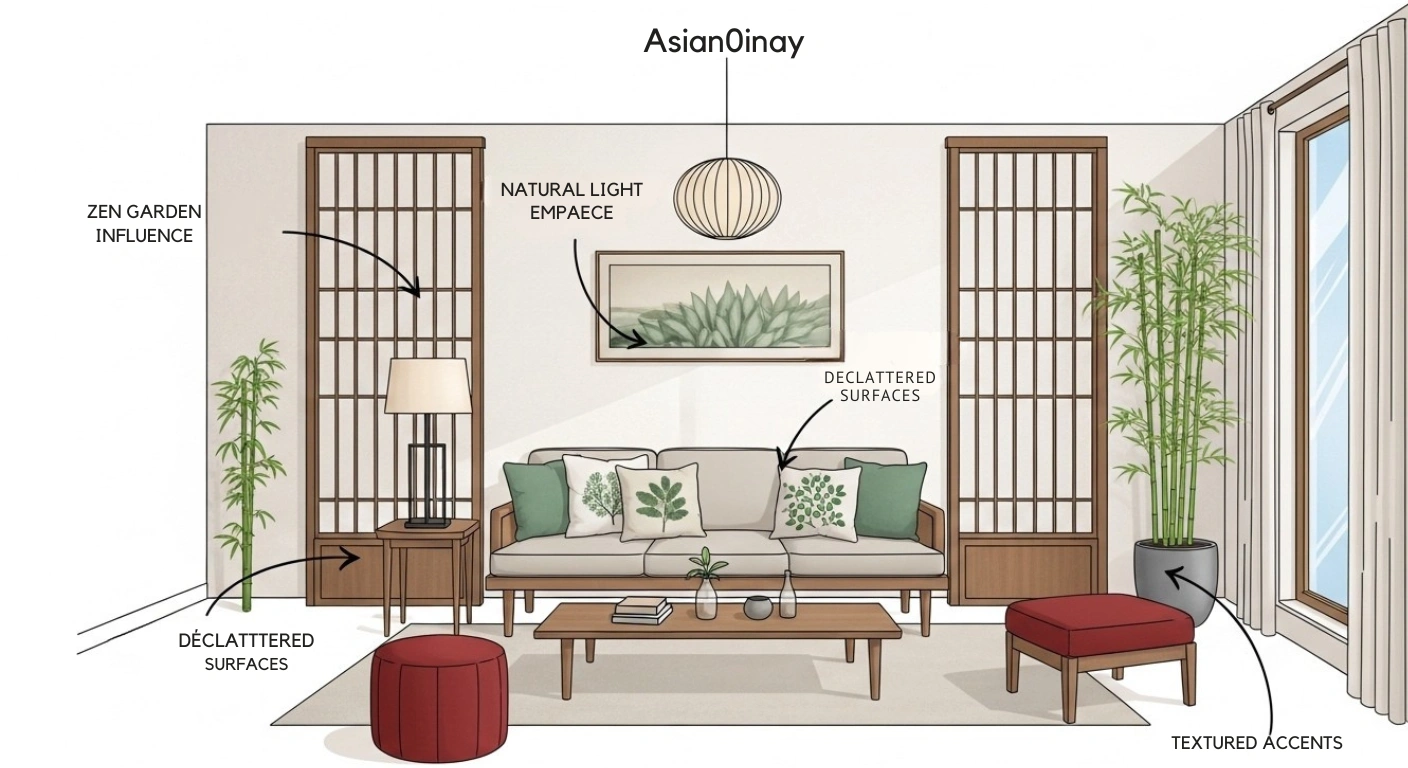
Asian0inay is a home decor and furniture source built around real Asian craft traditions — Japanese joinery, Korean ceramics, Filipino rattan — not mass-produced imitations. Asian0inay built itself specifically against that. Real craftsmanship, sourced from authentic Asian design traditions, with pieces that hold up in actual homes — not just in styled photoshoots. Walk into most “Asian-inspired” decor stores and you’ll find the same story — mass-produced bamboo prints, generic lanterns and furniture that looks vaguely Eastern but feels completely hollow.
What Asian0inay Actually Sells (And Why It Matters)

When most home decor brands think of “Asian style” they mean anything with a geometric pattern. Not so with Asian0inay. Their designs are rooted in specific regional styles: Japanese minimalism, Chinese classical furniture joinery, Filipino rattan work, Korean textures and they refuse to meld these styles together to create something bland.
Their product range covers:
- Furniture — dining sets, platform beds, console tables, storage cabinets
- Decorative accents — ceramic vases, hand-carved panels, woven wall pieces
- Lighting — paper lantern-style pendants, bamboo floor lamps
- Textiles — silk-blend cushions, hand-loomed table runners
Each category has clear provenance. You’re not guessing where a piece comes from or what tradition it represents.
Best-Selling Products Worth Knowing About
Some pieces move for a reason. At Asian0inay, a few consistently stand out — not because of marketing, but because customers keep coming back to them.
The Elm Wood Console Table is likely their most popular furniture product. It’s solidly built, it uses traditional mortise-and-tenon joinery (no screws) and the finish is one that gets better over time. It makes other furniture look well-placed.
Hand-Thrown Ceramic Vases — the ones fired using traditional Korean onggi techniques — sell out regularly. They’re not uniform. Slight variations in glaze, minor asymmetries. That’s the point. According to Smithsonian Magazine’s coverage of traditional ceramics, handmade pottery carries embedded cultural value that machine-made reproductions simply cannot replicate.
Rattan Accent Chairs round out the top sellers. Filipino rattan weaving has a long craft history — UNESCO has recognized Southeast Asian weaving traditions as part of intangible cultural heritage — and Asian0inay sources from workshops that still use traditional methods.
Room-by-Room Guide to Asian0inay Styling

Different spaces call for different approaches. Here is how to apply the aesthetic throughout your home without making every room look the same.
Living Room:
This is where the Asian0inay look truly shines. Keep furniture low-profile, drawing from Japanese floor-level living traditions, but add Filipino-style comfort with generous cushions and warm throws. A solihiya-patterned accent chair or rattan coffee table adds character. Large windows and sheer curtains are essential here. Let the natural light do the heavy lifting rather than relying on artificial sources.
Bedroom:
Most importantly, your bedroom needs to be peaceful. Go Zen on this one. A timber bed frame, linen sheets in neutral colours and little else on the side tables are an excellent start. A capiz shell hanging lamp or bamboo table lamp provides the warm Filipino ambience to personalize the room. Keep electronics hidden. This is a sleeping space and it needs to be planned accordingly.
Kitchen and Dining Area:
Filipino warmth takes center stage in this part of the home. The tradition of communal eating means the kitchen and dining space should feel open, generous and ready for a crowd. A solid wooden dining table with woven placemats, open shelving that displays ceramic bowls and handmade pottery and a rattan centerpiece all bring the Asian0inay fusion to life beautifully.
Bathroom:
Think of this room as your personal spa retreat. River stone accents on the floor or vanity, a bamboo bath tray, organic cotton towels and a small orchid or bonsai near the mirror all work perfectly. Keep surfaces clear and colors soft throughout. A few well-placed candles turn an ordinary bathroom into a place you actually want to linger in rather than rush through.
Warranty and What It Actually Covers
This part matters more than most buyers check before purchasing.
Asian0inay’s warranty structure is straightforward:
| Product Category | Warranty Period | What’s Covered |
| Solid wood furniture | 3 years | Structural defects, joinery failure |
| Rattan/woven pieces | 1 year | Weave integrity, frame stability |
| Ceramics & accents | 30 days | Manufacturing defects only |
| Lighting fixtures | 1 year | Electrical components, structural faults |
Worth noting — the ceramics window is short, but that’s standard across handmade goods globally. The furniture warranty is genuinely competitive. Most mid-tier furniture brands cap structural coverage at 1–2 years. Asian0inay going to 3 on solid wood pieces signals they’re confident in how those are built.
New Decor Ideas From Asian0inay That Are Actually Worth Trying
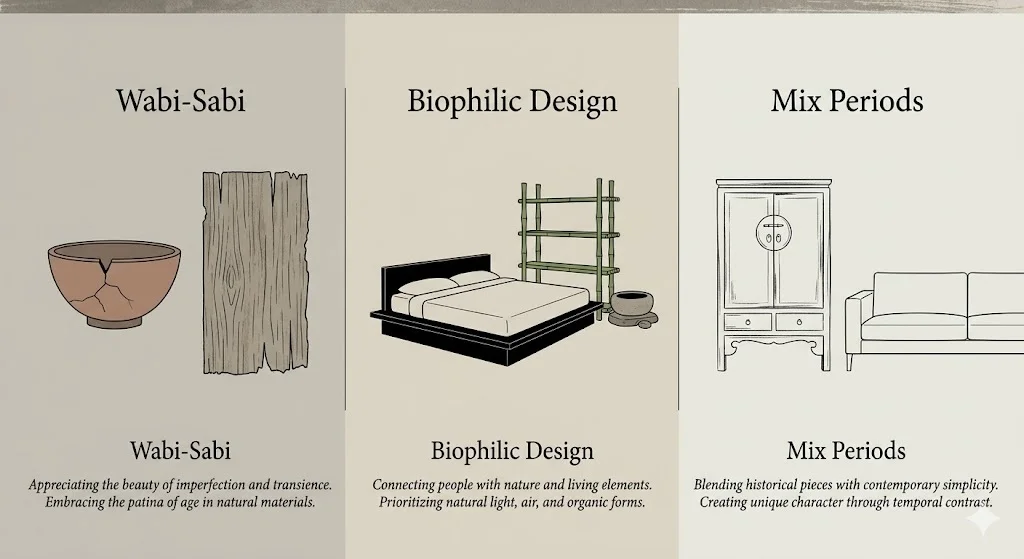
Trends in home decor move fast. Most of what gets labeled “new” is just last season’s Pinterest board recycled. What Asian0inay has been pushing lately is different — less about chasing aesthetics and more about layering cultural context into spaces that actually feel lived-in.
A few directions worth paying attention to right now:
Wabi-Sabi Interiors Done Right The Japanese concept of wabi-sabi — finding beauty in imperfection and impermanence — has been misused badly by mainstream decor brands. It’s not just “rough textures and neutral tones.” It’s intentional. A cracked ceramic bowl displayed rather than discarded. A wooden table with visible grain knots left unsealed. Asian0inay’s wabi-sabi collection leans into this properly, pairing weathered finishes with clean lines rather than just throwing “rustic” pieces together. Stanford’s East Asian Studies department has written about wabi-sabi as a philosophical framework — it’s worth understanding before decorating with it.
Biophilic Design With Asian Roots Biophilic design — bringing natural elements into interior spaces — isn’t a Western invention. Japanese engawa (transitional outdoor-indoor spaces), Chinese scholar’s gardens, Balinese open-air architecture. Asian0inay’s newer furniture lines lean into this hard. Think low platform beds that emphasize floor-level living, open shelving in bamboo that breathes visually, stone-finish ceramics that bring outdoor texture inside.
Mixing Periods Without Losing Coherence This one takes some nerve. A Qing Dynasty-inspired cabinet next to a contemporary sofa sounds wrong — until you see it done well. Asian0inay has been styling their showroom around exactly this. The trick is anchor pieces. One strong traditional item per room. Everything else can be modern. The traditional piece becomes a focal point rather than a clash.
How to Actually Style Asian Decor in a Western Home
Most people get this wrong at the first step — they try to transform an entire room at once. Doesn’t work. The space ends up looking like a theme restaurant rather than a home.
Here’s what actually works, based on how Asian0inay approaches it:
Start With One Focal Wall Pick the wall your eye goes to first when entering the room. That’s where a hand-carved wooden panel, a large ceramic piece, or a woven textile from Asian0inay goes. One strong cultural anchor. Let everything else breathe around it.
Floor Level Matters More Than You Think Western decor defaults to furniture at standard height. Asian design traditions — particularly Japanese and Korean — historically emphasized floor-level living. Even one low piece, a floor cushion set, a platform coffee table, changes the energy of a room considerably. It’s subtle but people notice it without knowing why.
Negative Space Is the Point The concept of “ma” in Japanese design — the meaningful use of empty space — is something Asian0inay’s product team talks about constantly. Resist the urge to fill every surface. A single vase on an otherwise clear console table hits harder than five objects competing for attention.
Texture Layering Over Color Matching Where Western decor often coordinates by color palette, Asian design traditions tend to coordinate by material and texture. Rattan, linen, unglazed ceramic, natural wood — these work together because they share a material honesty, not because they’re the same shade of beige.
What Sets Asian0inay Apart From Generic “Asian-Style” Retailers
Blunt answer — most competitors are selling an idea of Asian decor rather than the real thing. Factory-printed “bamboo motif” wallpaper. Furniture assembled from MDF with a veneer finish. Lanterns that look decorative but are structurally flimsy.
Asian0inay’s sourcing process is different in a few concrete ways:
- Direct workshop relationships — they work with specific artisans and small workshops rather than purchasing through wholesale middlemen. That matters for quality control and for ensuring craftspeople are paid properly.
- Material transparency — product listings specify wood species, weave origin and firing technique where applicable. Most decor retailers don’t go anywhere near that level of detail.
- Regional specificity — a piece described as Japanese isn’t just “East Asian-looking.” It draws from an identifiable tradition with documented design principles behind it.
That last point connects to something Harvard’s Graduate School of Design has noted in research on cultural authenticity in design — products rooted in specific traditions carry more long-term value, both aesthetically and economically, than generalized interpretations of those traditions.
The Asian0inay Buyer’s Guide — Before You Purchase Anything
A few things worth knowing before spending money on any piece, from Asian0inay or anywhere else.
Know Your Space First Sounds obvious. Almost nobody does it properly. Before browsing, measure the actual footprint of the area you’re decorating — not just length and width, but ceiling height, natural light direction and existing fixed elements like flooring material and built-in shelving. Asian0inay’s product pages include real dimensions, not approximate ones. Use them.
Understand What “Handmade” Actually Means for Delivery Handmade pieces don’t ship like flat-pack furniture. Lead times are longer. Some items are made to order. Asian0inay is upfront about this — specific pieces carry 2–4 week production windows before they even ship. Factor that into any project timeline. Rushing handmade goods is how you end up with the wrong thing.
Ask About the Piece’s Origin Tradition Asian0inay’s customer team can speak to this. If you’re buying a ceramic piece and want to know whether it follows onggi, raku, or celadon traditions — ask. That context changes how you display it, how you care for it and frankly how much you appreciate it over time.
What to Prioritize at Different Budget Levels
| Budget Range | Best Investment At Asian0inay | Why |
| Under $150 | Ceramic accents, textiles | High craft value, immediate visual impact |
| $150–$400 | Rattan chairs, accent lighting | Mid-tier pieces with strong longevity |
| $400–$900 | Console tables, storage cabinets | Where solid wood joinery starts showing up |
| $900+ | Platform beds, dining sets | Full structural craftsmanship, 3-year warranty range |
The ceramic and textile entry points are genuinely good. Don’t dismiss them as “starter” purchases — a well-placed ceramic piece from Asian0inay can anchor a room more effectively than a $600 statement chair from a generic retailer.
Caring for Asian Decor Pieces — What Most People Get Wrong
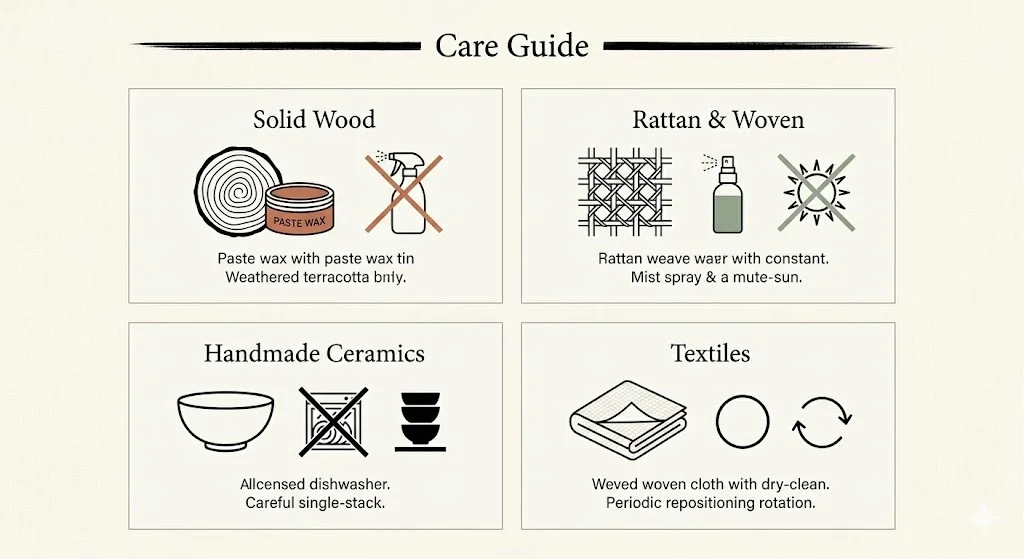
This matters more with authentic materials than with mass-produced alternatives. A solid wood table from Asian0inay will last decades with basic correct care. It’ll deteriorate faster than cheap furniture with wrong care.
Solid Wood Furniture
- Wipe spills immediately — wood expands with moisture and contracts when it dries. Repeated cycles crack joinery over time.
- Use paste wax, not spray polish. Spray polishes leave silicone residue that builds up and dulls the finish permanently.
- Keep away from direct air conditioning vents. Forced dry air is harder on wood than humidity. The Forest Products Laboratory at the USDA has documented how indoor climate control affects solid wood furniture stability — it’s not a minor concern.
Rattan and Woven Pieces
- Rattan dries out indoors. A light mist of water on the weave every few weeks in dry climates keeps it from becoming brittle.
- Avoid prolonged direct sunlight. Natural rattan bleaches unevenly and weakens at the weave joints over time.
- For cleaning, a slightly damp cloth. Nothing chemical — rattan absorbs solvents and the damage is irreversible.
Handmade Ceramics
- Most of Asian0inay’s ceramics are food-safe but not necessarily dishwasher-safe. Check the individual product specification — unglazed interiors are porous and absorb detergent.
- Stack carefully or don’t stack at all. Handmade pieces aren’t perfectly uniform. Stacking pressure distributes unevenly and chips rims.
Textiles and Woven Wall Pieces
- Rotate them occasionally if they’re in sunlight. Fading in handwoven textiles is directional — the exposed side goes first.
- Dry cleaning for silk-blend pieces, always. Water washing tightens the weave and distorts the pattern.
Why Authenticity in Home Decor Is Worth Paying For
This isn’t just about aesthetics — though that’s part of it. There’s a documented economic argument here too.
A 2019 study published through the National Endowment for the Arts found that handcrafted goods and culturally authentic design objects hold resale value significantly better than mass-produced alternatives over 5–10 year periods. They also found that buyers of authentic craft objects reported higher long-term satisfaction with their purchases — the novelty didn’t wear off the same way.
Asian0inay sits in that space deliberately. Their pieces aren’t priced for impulse buying — they’re priced for people who are buying once and keeping it. That’s a different transaction than most furniture retail and it rewards research before purchasing.
The other dimension is cultural. Buying a piece that was made with real craft knowledge, by someone who learned that knowledge from a tradition — that carries weight in the home. It’s hard to articulate and easy to feel. Rooms with authentic cultural objects have a specific kind of density to them. Objects that were made to be meaningful tend to feel that way.
FAQs
It combines Asian, representing broad Eastern design traditions, with Pinay, which is rooted in Filipino culture and identity. Together it describes a home décor style that blends Asian minimalism with Filipino warmth and craftsmanship into one cohesive look.
Not at all. The Asian0inay style works beautifully through small, targeted changes. Swapping a few key pieces like a rattan lamp, a bamboo shelf, or a woven throw can shift the whole energy of a room without touching anything else.
It can be as affordable or as luxurious as you choose. Since the style values natural materials and handmade items, you can find wonderful pieces at local artisan markets, thrift shops and online craft sellers. Quality over quantity is the guiding principle here.
Yes, absolutely. Its neutral palette and emphasis on natural materials make it highly versatile. It pairs especially well with Scandinavian minimalism, bohemian styles, modern tropical looks and even industrial spaces that need a bit of softening and warmth.
Standard Asian-inspired décor usually draws from one tradition, typically Japanese or Chinese. Asian0inay specifically includes the Filipino design perspective, which adds tropical energy, family-centered layouts and unique materials like capiz, abaca and rattan in distinctly Filipino forms.
Look for Filipino artisan brands, Southeast Asian craft markets, sustainable home stores and online platforms that connect you directly with makers. Design events like the Philippine International Furniture Show also showcase stunning pieces that fit this fusion perfectly.
 Decor & Improvement Accessories