

Home & Decor Blogs: DIY, Interior Design & Lifestyle Ideas
Crafting Lasting Outdoor Visual Impact with Sculptures, Signage, and Decorative Metal Panels
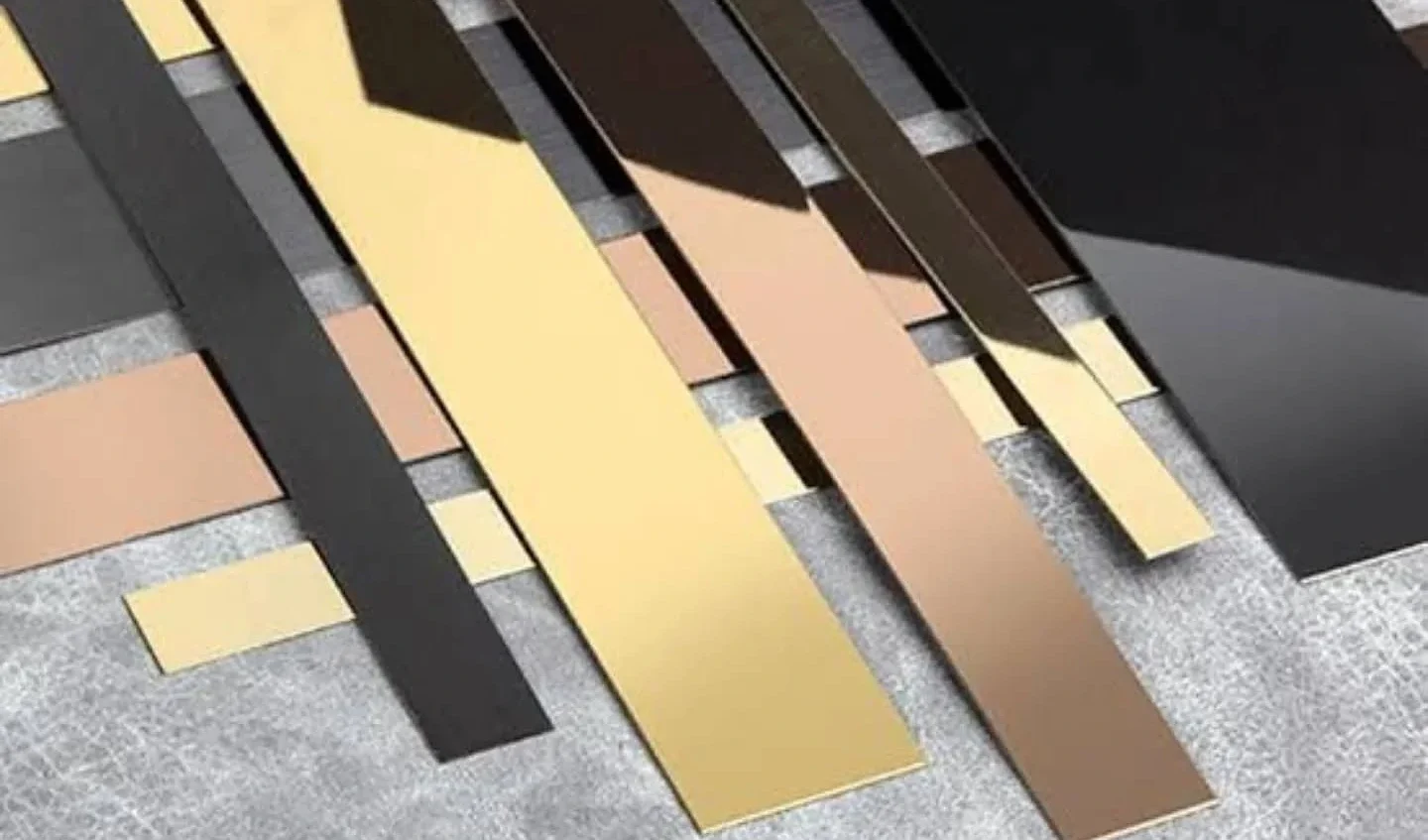
Outdoor spaces present a unique challenge for designers, fabricators, and property owners. Unlike indoor environments, exterior installations must cope with sun exposure, rain, pollution, and constant temperature changes. Whether it is a sculptural feature in a public plaza, signage for a commercial building, or decorative panels in a landscaped area, the materials and construction methods chosen will determine how well these elements perform over time.
Metal has become a preferred choice in many of these applications, not only for its strength but also for its versatility in design. When used thoughtfully, it can deliver both visual impact and long term reliability.
Why Outdoor Installations Demand More Than Visual Appeal
It is easy to focus on how a sculpture or sign looks when it is first installed. The real test comes months or years later when it has been exposed to the elements.
According to a 2024 report by the Urban Design Institute, maintenance costs for outdoor installations often exceed initial expectations due to material degradation and environmental exposure. This highlights the importance of selecting materials that can withstand real conditions rather than relying purely on aesthetics.
A landscape architect based in Auckland shared a practical perspective
“Clients often fall in love with a concept image, but the success of an outdoor piece depends on how it ages. Materials need to hold their integrity without constant intervention.”
This is particularly true for public installations, where ongoing maintenance can disrupt use and increase costs.
Sculptures That Balance Form and Durability
Outdoor sculptures are often focal points in parks, commercial developments, and civic spaces. They need to capture attention while remaining structurally sound.
Metal offers a wide range of possibilities. It can be cut, bent, welded, and finished in ways that allow for both intricate detailing and large scale forms. Stainless steel, aluminium, and weathering steel are commonly used depending on the desired aesthetic and environmental conditions.
Structural integrity is a key consideration. Sculptures must be engineered to withstand wind loads, temperature expansion, and potential impact. This often involves internal supports or anchoring systems that are not visible but are critical to long term stability.
Surface finish also plays a role. Polished surfaces create strong reflections and a contemporary feel, while brushed or textured finishes offer a more subdued appearance and can help conceal minor wear over time.
Signage That Performs Beyond Branding
Outdoor signage does more than display a name or logo. It must remain legible and visually consistent despite exposure to weather and sunlight.
Material selection directly affects performance. Fading, corrosion, and surface damage can all reduce the effectiveness of signage if not properly addressed.
Metal signage provides durability and a professional appearance. It can be fabricated with cut out lettering, engraved details, or applied graphics depending on the design requirements.
Lighting integration is another consideration. Backlit or edge lit signs often rely on metal housings to protect electrical components while maintaining a clean finish.
Fixing methods must also be carefully planned. Secure mounting ensures the sign remains stable in varying conditions, particularly in areas exposed to strong winds.
Decorative Panels That Enhance Outdoor Spaces
Decorative panels are increasingly used in architectural and landscaping projects. They can provide privacy, define spaces, or simply add visual interest.
Laser cut metal panels allow for intricate patterns that interact with light and shadow throughout the day. This dynamic quality makes them particularly appealing in outdoor settings.
Durability remains essential. Panels must resist corrosion and maintain their structural integrity without warping or weakening.
Spacing and installation are important factors. Panels should be positioned to allow for airflow and expansion, preventing stress on the material.
In residential settings, decorative panels are often used for fencing or screening. In commercial projects, they can form part of building facades or public art installations.
Material Selection and Fabrication Insights
Choosing the right material is one of the most critical decisions in any outdoor project.
Different metals offer different benefits. Aluminium is lightweight and corrosion resistant, making it suitable for larger panels or installations where weight is a concern. Stainless steel provides strength and a high quality finish, particularly in environments where appearance is a priority.
This is where stainless steel sheet fabrication becomes especially valuable. It allows for precise cutting, forming, and finishing, enabling designers to achieve complex shapes and clean edges while maintaining durability.
Fabrication quality should not be overlooked. Poor welding, uneven finishes, or inadequate thickness can compromise both appearance and performance.
Working with experienced fabricators ensures that the final product meets both design intent and practical requirements.
Installation Considerations That Influence Longevity
Even the best materials can fail if installation is not handled correctly.
Anchoring systems must be designed to suit the specific environment. This includes accounting for soil conditions, wind loads, and potential movement.
Allowances for expansion and contraction are essential. Metal expands with heat and contracts when temperatures drop. Without proper gaps or flexible fixings, this movement can lead to distortion or damage.
Drainage should also be considered, particularly for panels and signage. Preventing water accumulation helps reduce the risk of corrosion and staining.
Maintenance Strategies for Long Term Performance
Outdoor installations require ongoing care, even when durable materials are used.
Regular cleaning helps maintain appearance and prevents the buildup of contaminants that can affect surface integrity. The frequency of cleaning will depend on the environment, with coastal or industrial areas typically requiring more attention.
Inspection is equally important. Checking for loose fixings, surface damage, or early signs of wear allows for timely repairs.
One of the advantages of metal is that it can often be restored rather than replaced. Polishing, refinishing, or minor repairs can extend the life of an installation significantly.
Balancing Creativity with Practical Constraints
Designing outdoor sculptures, signage, and panels involves balancing artistic vision with real world limitations.
Budget, maintenance capacity, and environmental conditions all influence what is achievable. A design that looks impressive on paper must also be practical to fabricate, install, and maintain.
Collaboration between designers, engineers, and fabricators is essential. Each brings a different perspective that contributes to a successful outcome.
Conclusion
Outdoor installations are long term investments that shape how spaces are experienced. Whether it is a striking sculpture, a functional sign, or a decorative panel, the choice of materials and construction methods determines how well these elements endure.
By focusing on durability, thoughtful design, and proper installation, it is possible to create features that remain visually compelling and structurally sound over time.
For projects that demand both precision and resilience, stainless steel sheet fabrication offers a dependable approach to achieving lasting results in outdoor environments.

 Decor & Improvement Accessories