
Home & Decor Blogs: DIY, Interior Design & Lifestyle Ideas
Economy Home Décor: Circular Design for Sustainable Style

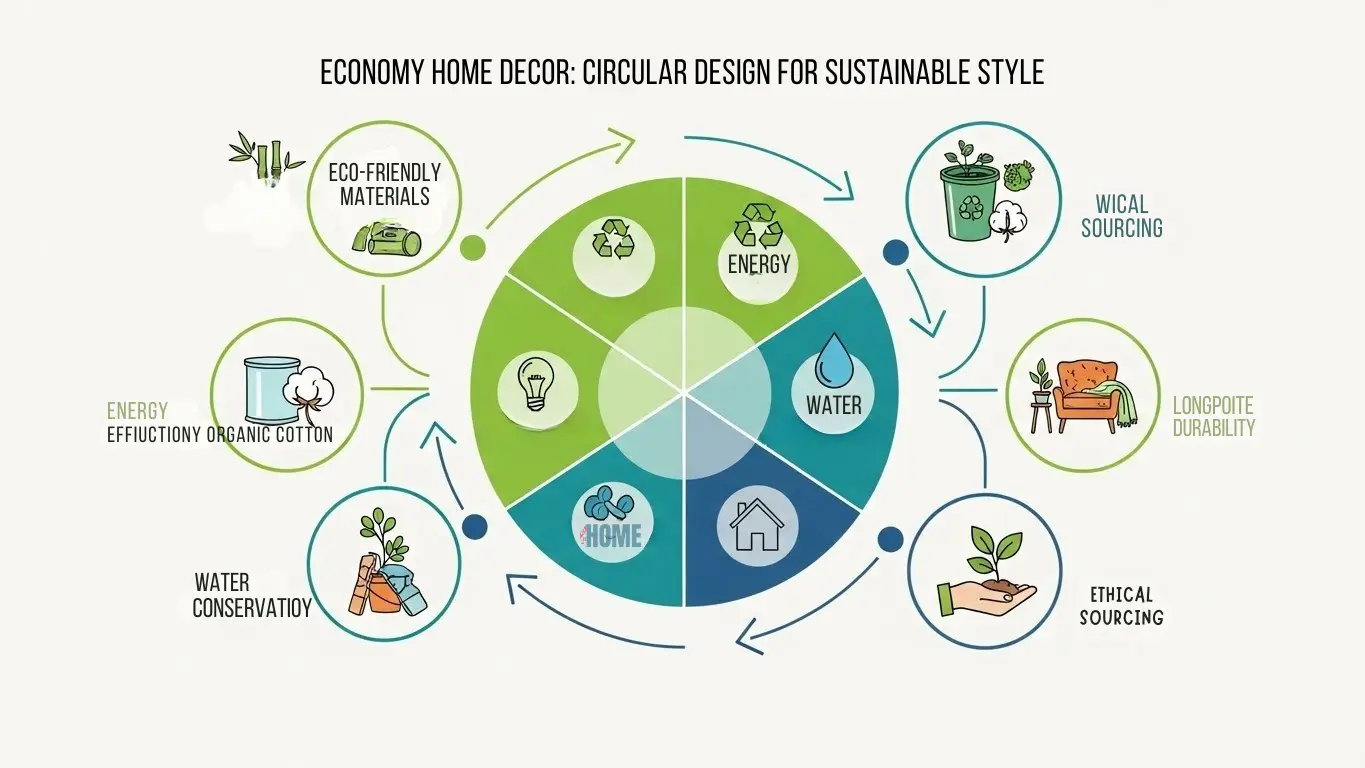
Let’s be honest most of us want a beautiful home without draining our wallets or the planet. But here’s the good news: economy home décor and circular design make it absolutely possible to style your space in a way that feels modern, intentional, and eco friendly.
What Is Economy Home Decor
Economy home decor means beautiful design without the big price tag, but it’s more than just bargain hunting. It’s about making smart choices choosing items that last, repurposing what you have, and using creativity instead of cash to transform your space. When you combine economy decor with circular design, you get a decorating approach that is stylish, sustainable, and surprisingly simple to adopt. Better yet, it teaches you how to rethink your home in a way that grows with you instead of working against your wallet.
The Rise of Circular Design in Home Decor
Circular design has become a global movement because people are tired of buying decor that breaks, fades, or becomes outdated in six months. The idea behind circular design is refreshing: materials and products should stay in use as long as possible, through repair, refurbishment, and creative reuse.
Unlike the take make waste model of traditional decor, circular design encourages us to keep things in a loop. That means using furniture longer, restoring quality pieces, and choosing items that can be recycled later. In the world of home decor, this approach is kinder to your bank account and the environment.
How Circular Design Saves You Money
If you’ve ever bought cheap decor only to replace it within a year, you already understand why circular design is financially smart. When you invest in timeless, durable pieces even secondhand ones you stretch your money further.
The best part? You don’t have to shop high-end to get quality. Circular design encourages thrifting, trading, upcycling, and even DIY projects, giving you stylish options without the guilt of overspending.
Choosing Materials That Support Circular Design
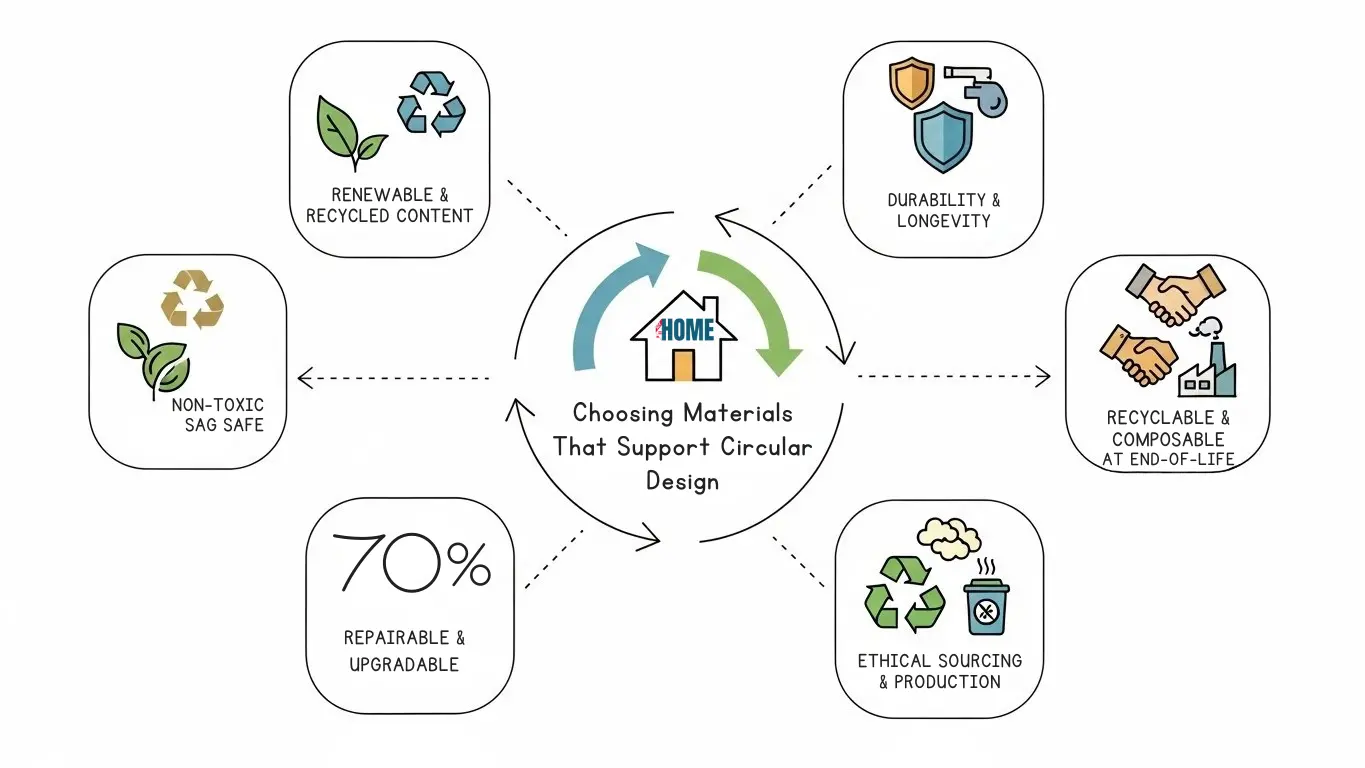
The materials you bring into your home matter. Solid wood, metal, stone, and glass are long-lasting and easy to repair. When you choose these over plastic or particleboard, you’re naturally supporting circular design.
Look for pieces that age well rather than fall apart. A wooden coffee table can be sanded and refinished. A metal chair can be repainted. A stone countertop will outlive any trend. Every time you choose a durable material, you contribute to a more sustainable lifestyle.
Upcycling Turning Old Items Into Fresh Decor
Upcycling gives old or unused items a new purpose. It’s a fun and affordable way to make your home look stylish while reducing waste.
Think of a dresser turned into a bathroom vanity. Or glass jars transformed into planters. Even old books can become quirky wall shelves. Upcycling lets you add personality to your home without buying brand-new items.
Best of all, upcycled decor often sparks conversations because no two pieces are exactly alike.
Thrifting and Secondhand Decor A Circular Design Superpower
Thrift stores, flea markets, and online marketplaces are goldmines for circular design enthusiasts. You’ll find items with character, better craftsmanship, and lower price tags than anything mass-produced.
Shopping secondhand also keeps items out of landfills and reduces demand for new products. Plus, it’s fun you never know when you’ll stumble on a vintage lamp or an antique mirror that becomes the highlight of your room.
Repairing Instead of Replacing
Before tossing a damaged item, ask yourself if it can be repaired. A loose chair leg, chipped ceramic pot, or scratched table surface doesn’t mean it belongs in the trash.
Repairing not only saves money but also strengthens your connection with your belongings. When you maintain what you own, you develop a sense of appreciation and your home feels more personal and intentional.
Designing With Longevity in Mind
Circular design encourages you to choose pieces that will still look good years from now. Instead of buying trend-heavy decor that loses appeal quickly, opt for items with classic lines, soft colors, and solid construction.
When you avoid short-lived trends, your home becomes timeless and you reduce the urge to constantly refresh your decor. Longevity is the secret ingredient of both circular design and economy home styling.
Minimalism Meets Circular Design
Minimalism isn’t about empty rooms; it’s about intentional choices. When you own fewer but better items, you naturally support circular design. You buy less, waste less, and enjoy more space to breathe and appreciate what you have.
Circular design and minimalism share the belief that your home should reflect what truly matters to you—not a pile of fast-decor purchases you regret later.
Creating a Sustainable Home on a Small Budget
You don’t need a big budget to live sustainably. Start with small steps: repurpose items, shop secondhand, choose reusable materials, and avoid impulse buys. Each choice creates a ripple effect that benefits your wallet and the planet.
When you combine creativity with circular design principles, even the smallest apartment can feel cozy, stylish, and environmentally responsible.
Why Circular Design Makes Your Home Feel More Human
Circular design focuses on care caring for your belongings, your environment, and yourself. When you decorate mindfully, your home becomes more than a visual space. It becomes a meaningful one.
People often say that homes styled with circular design “feel warm” or “have soul.” That’s because every piece has a story, whether it’s a thrifted treasure or an upcycled creation. Your decor becomes a reflection of your journey, not just your Pinterest board.
FAQs
What is circular design in home decor?
Circular design is a decorating approach that focuses on reusing, repairing, and repurposing items to reduce waste and extend their lifespan.
Is economy home decor the same as cheap decor?
Not at all. Economy decor focuses on smart, sustainable choices not low quality or disposable items.
Can I decorate sustainably on a small budget?
Absolutely. Thrifting, upcycling, and choosing durable materials make sustainable decor affordable for anyone.
Does circular design require DIY skills?
No. While DIY can help, simple actions like repairing or buying secondhand also support circular design.
Will circular design make my home look old-fashioned?
Not at all. It actually helps you create a timeless, stylish space with character and personality.
Final Thoughts
Economy home decor and circular design invite you to decorate with intention rather than impulse. When you commit to using what you have, choosing durable pieces, and reducing waste, your home becomes a celebration of creativity and sustainability.
 Decor & Improvement Accessories