

Home & Decor Blogs: DIY, Interior Design & Lifestyle Ideas
How to Prepare Your Home for a Move in Los Angeles Without Creating Total Chaos


Two permits and a certificate of insurance decide whether your crew starts at nine or spends the first hour circling the block
Moving in Los Angeles has its own flavour of stress. You are not just packing boxes and labelling drawers.
You are working around traffic, building rules, tight parking, and a city where a five mile move can take two hours. The paperwork matters here more than the packing.
A local one bedroom move runs $450 to $950 with a two person crew, usually three to five hours. Bigger homes run $2,800 to $7,000. Hourly rates sit around $119 to $229 for a crew and truck.
Peak season here runs April through October, longer than most cities, because the weather never really stops anyone.
You Need an LADOT Permit 8 Business Days Before Your Move
This is the one thing people leave too late.
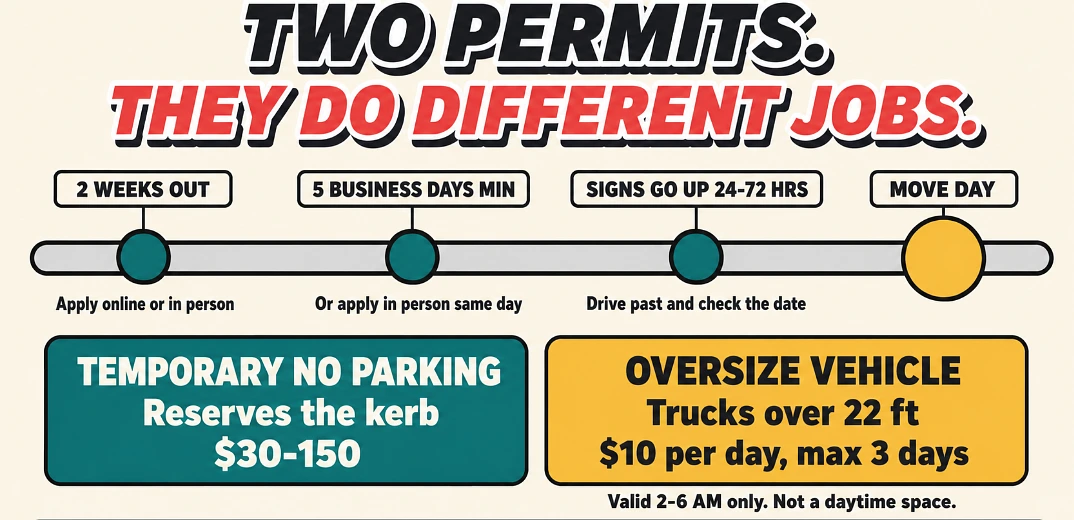
Trucks longer than 22 feet need an LADOT Oversize Vehicle Parking Permit. It costs $10 a day for up to three days and you have to apply at least 8 business days ahead.
That permit lets the truck park legally. It does not hold you a space.
For that you want a temporary no parking permit, which reserves the curb outside your building. Signs run roughly $22 to $48 each and you need a few, or the whole thing lands around $50 to $150.
Live in Santa Monica, Beverly Hills, West Hollywood or Pasadena? You apply to that city, not LADOT. Santa Monica’s own permit runs about $88.
Miss all of this and your crew burns paid hours looking for legal curb space, or you collect a $70 to $150 ticket that usually gets passed to you.
Drive past the day before and check the signs are up with the right date.
Most LA Buildings Require a Certificate of Insurance and a Booked Elevator
Most buildings in DTLA, Century City, Koreatown and along the Westside want three things.
- A certificate of insurance from your mover, naming the building as additional insured
- A reserved freight elevator window, often weekdays only and time limited
- Floor and elevator protection, masonite and padding
Ask your building for its requirements in writing, then send them straight to your mover. A missing COI stops a move at the loading dock, and the crew still bills you for the time.
Your Neighbourhood Decides What Size Truck Can Reach You
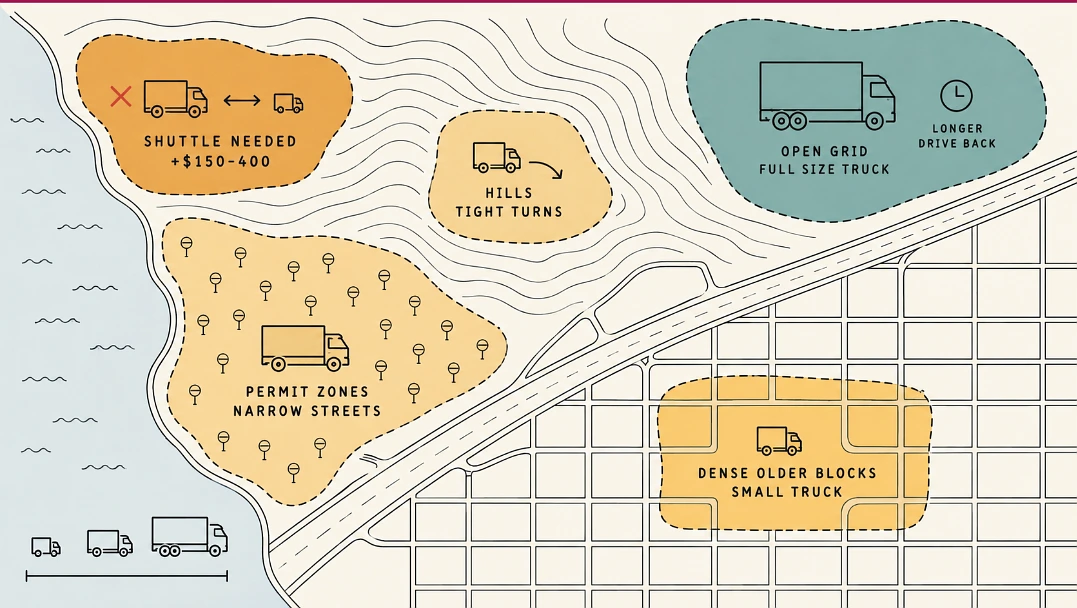
LA is not one moving problem. It is about five.
Hollywood and Koreatown. Older buildings, narrow staircases, no elevator, almost no street parking. Expect a smaller truck.
Silver Lake, Echo Park, Mount Washington. Hills, tight turns, nowhere to turn around.
Hollywood Hills, parts of Malibu, Palos Verdes. Often need a shuttle truck, where a smaller vehicle ferries loads from a legal staging spot. That adds $150 to $400.
Westside. Permit zones everywhere and some streets too narrow for a full size truck.
The Valley. Easiest access and most parking, though summer heat and the drive back into central LA both add time.
Measure your driveway grade, the turn radius, and any low hanging wires before the day. If you are coordinating with a moving company in Los Angeles, tell them all of it up front. Stairs, elevator size, parking, oversized furniture. A crew that arrives prepared costs less than a crew improvising.
Cut What You Own First, Because LA Movers Bill by the Hour
Walk through every room and get honest about what you use.
If a blender has been sitting untouched since your healthy era, it may not deserve a seat on the truck.
Three piles. Keep, donate, toss. Every hourly move is priced on volume and time, so this is the cheapest way to cut the bill.
Go after the storage zones first, hall closets, under bed bins, the kitchen junk drawer. Those quietly collect chaos.
One zone a day for a bigger house keeps you moving without your living room looking like a yard sale exploded.
Label Every Box With the Room, Contents and How Soon You Need It
Start with the rooms you use least. Guest room, seasonal storage, decorative shelves.
Label every box with the room, rough contents, whether it is fragile, and how soon you need it.
Numbering helps if you want to track things properly. Box 12, kitchen, coffee maker and mugs and filters. Future you will be grateful at 7am.
Keep daily items with you rather than on the truck. Chargers, medications, toiletries, basic cookware, pet supplies, a few changes of clothes.
Flimsy boxes are cheap in the same way a paper umbrella is technically shelter.
Switch Utilities and Change Your Address Two Weeks Before Move Day
Boring, and the reason people arrive to no power and no internet.
- Electricity, gas, water
- Internet
- Trash service
- Renter’s or homeowner’s insurance
- Mail forwarding
Then the address itself. Bank, school, employer, doctor, subscriptions, delivery apps. Miss one and it keeps surfacing for months.
Photograph the meters when you leave and keep the final bills in one folder.
Leaving a rental? Read the lease for the cleaning standard and the notice period. Security deposits disappear over details people assumed did not matter.
Defrost the Freezer 24 Hours Ahead and Wrap Dishes Vertically
Defrost the freezer at least 24 hours before. Disconnect the washer properly and make sure everything is bone dry.
Take detachable legs, shelves and cushions off furniture. Screws go in labelled bags taped to the item.
For fragile things:
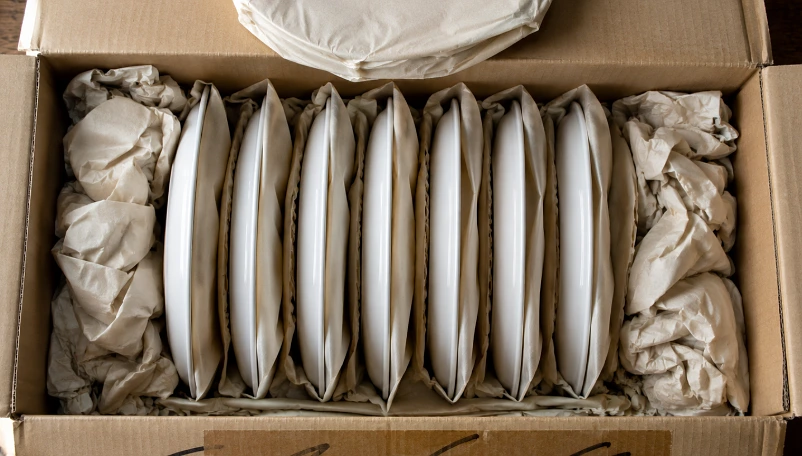
- Wrap dishes vertically, never stacked flat
- Cushion glass with packing paper
- Fill the empty space inside the box
- Mark them clearly
Do not overload. Books lure people into building boxes that weigh as much as small machinery.
Anything valuable or sentimental rides with you. Documents, jewellery, heirlooms, laptops.
Book a Morning Start So the Truck Is Not Crossing Town at 4pm
Morning moves win here. Crews often start at seven or eight for a reason, because a truck crossing town at four in the afternoon is a truck sitting still.
Clear a path through the house before anyone arrives. Essentials in one place, everything sealed and labelled, and a quick walkthrough with the crew so expectations are set.
Keep an easy access kit out. Charger, water, snacks, paper towels, basic tools, tape and scissors, documents.
Kids and pets are better off elsewhere for the day, with doors open and furniture moving through.
Have cash or an app ready if you are tipping, and check the street sweeping schedule for your block. A sweeping day that lands on your move day is its own small disaster.
Photograph Every Room After Cleaning to Protect Your Deposit
Once the boxes are gone the old place has one job left, which is passing inspection.
Check cabinets and drawers, closets, appliances, bathroom counters, the garage and patio.
Patch nail holes, wipe surfaces, sweep and vacuum properly. If you rented, compare it against your move in photos.
Take final pictures after cleaning. That is your record of how you left it.
Leave labelled keys, garage remotes and appliance manuals for whoever comes next. Small thing, and it saves a week of frantic texts.
 Decor & Improvement Accessories