

Home & Decor Blogs: DIY, Interior Design & Lifestyle Ideas
How to Protect Your Home’s Exterior From Water Damage

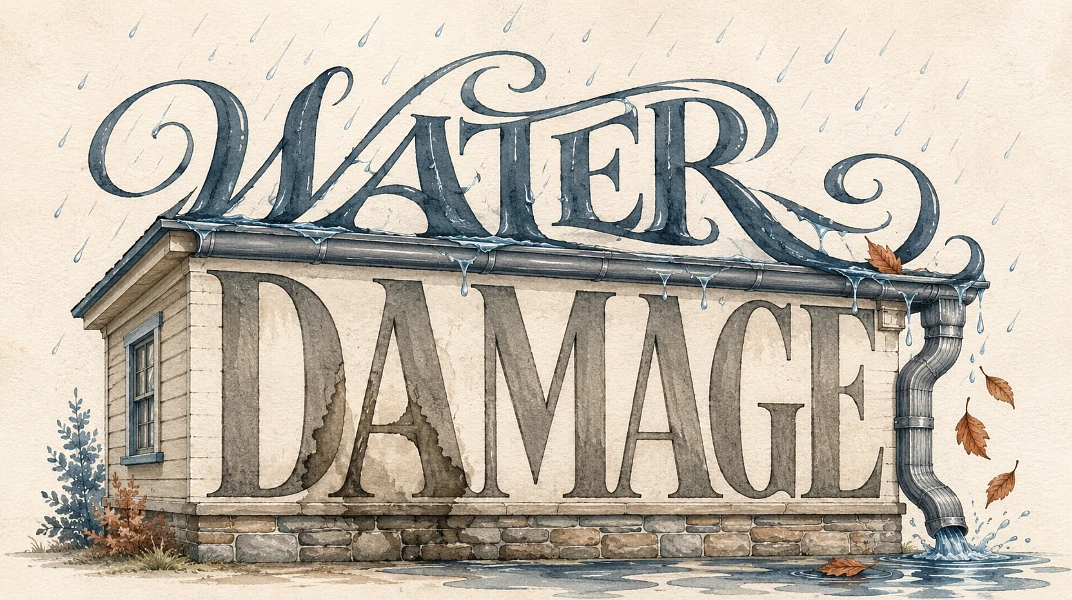
Damage from water is one of the most common types of external damage to homes. Seepage, no matter how small, can cause severe problems to exterior sides, masonry, wood trim, insulation, and internal walls. But the most problematic aspect is that such moisture-related damage is usually hidden from view and hence better to prevent than to remedy.
Water damage to a home’s exterior can occur for many reasons, but fortunately most can be prevented with a little knowledge and maintenance. By understanding common problems and inspecting your home regularly and fixing small issues before they become big, costly repairs can be avoided.
Keep Gutters and Downspouts Clear
The gutters on your home collect the water that falls off of the roof and keep it from dripping down the exterior of the walls and pouring into the basement. If the gutters on your home become clogged with leaves and debris, water will not be able to flow through the gutters and downspouts and will pour over the top of the gutters. The water that flows over the top of the clogged gutters will then run down the exterior of the home and potentially collect near the foundation. If the water is allowed to collect near the foundation of your home, it can lead to problems with the basement and crawlspace, including water seepage and mold growth. Periodically cleaning the gutters on your home is very important to preventing problems with the exterior of your home and to preventing problems with the basement.
Cleaning your gutter system two times per year and inspecting it after major storms will help prevent problems. Make sure downspouts are extended several feet from your home’s foundation and that water flows away from the home’s exterior towards a safe area (such as grass) rather than collecting right next to the home’s walls. When inspecting gutters for damage and needed repairs, also check for sagging sections, signs of rust, cracks, and imbalances that could cause water to pool and leak out of the gutter system.
Loose sections, rust, cracks, or improper slope in the gutters can all cause water to pool in unwanted areas of your home.
Inspect Exterior Walls and Finishes
Damages to the exterior finish of a home’s walls allow moisture to penetrate into the wall’s building materials. Over time moisture in the wall’s materials causes a variety of problems, including discoloration, deterioration, and growth of mold and mildew. Often this type of damage is discovered by noticing a dark stain or discoloration on the surface of the finished wall. It is likely that the damage to the finished surface of the wall is just a symptom of a much larger problem. If you discover any stains or discoloration on the finished exterior surfaces of your home, it is a good idea to have a qualified and experienced contractor to determine the cause and scope of the damage before it becomes a larger problem.
Investigate the areas around windows and doors as well as any vents, lighting fixtures, electrical outlets, gas lines, etc. These are all areas where there are seams or openings where water could potentially enter the wall system and cause damage.
Homeowners who notice cracks, discoloration, bubbling, or other signs of deterioration in their exterior finish may start searching for stucco remediation near me to better understand whether the problem is only cosmetic or points to deeper moisture damage. In many cases, the visible signs of stucco failure appear only on the outside of the home, while the underlying issue may be located between the stucco and the wall sheathing. For that reason, a proper inspection may require looking behind the exterior surface to determine the full extent of the damage.
Check Windows, Doors, and Sealants
Exterior sealant helps prevent water from entering through gaps around windows and doors. However, caulk can shrink, crack, or separate as it ages.
Check the joints of the window and door exterior finish, as well as the exterior trim, for signs of deteriorated caulk or sealant. For hairline cracks, apply a bead of exterior grade caulk to repel moisture and protect the surface from further deterioration. For larger gaps or deteriorated surfaces, remove all old deteriorated material and repack with new, matching material. Be sure to allow material to set up prior to exposure to rain or watering. Never apply sealant to a dirty, wet, or deteriorated surface, as it will not adhere properly and will fail prematurely.
Avoid sealing over wet, dirty, or damaged surfaces, as this may trap moisture or cause the new sealant to fail prematurely.
Maintain the Roof and Flashing
Roof damage can quickly translate into problems for your exterior walls. Missing or damaged shingles, worn roof edges, and damaged flashing can cause water to penetrate behind your siding or other finishes on your exterior walls.
After a storm it is a good idea to inspect your roof for missing shingles, damaged flashing, or wear around the edges of your roof. You can often see where water may be entering from the roof into the walls from the ground. If you find damage to your roof, you should have it repaired before the damage causes more serious problems.
Improve Drainage Around the Foundation
The ground around a home should fall away from the foundation. If it does not, then water will collect near the home’s basement or crawl space walls and along the home’s lower exterior surfaces.
Keep the soil, mulch, and plants near your home’s exterior below the siding. Also be mindful of your sprinklers to avoid hitting the exterior of your home repeatedly.
The work of preserving your home does not have to be expensive or involve major repairs. There are many inexpensive measures to ward off damage to the exterior of your home by leaks and moisture. Sealing cracks, keeping gutters and downspouts free of debris, inspecting for signs of early moisture damage, and making appropriate repairs can all go a long way in protecting your home.
 Decor & Improvement Accessories