

Home & Decor Blogs: DIY, Interior Design & Lifestyle Ideas
Why Austin Offices Need a Different Cleaning Schedule and What It Costs


So your office cleaning contract was probably written the same way as one in Columbus or Phoenix, a generic scope on a generic calendar. Austin punishes that. The city runs a pollen calendar most markets never deal with, its offices trend dense and open plan, and its business culture puts more clients physically inside your space than average. Standard office cleaning here runs about $0.10 to $0.20 per square foot per visit, and the useful question isn’t whether to pay it, it’s whether the schedule matches what this city throws at a building.
Cedar Season Turns January Offices Into Allergy Traps
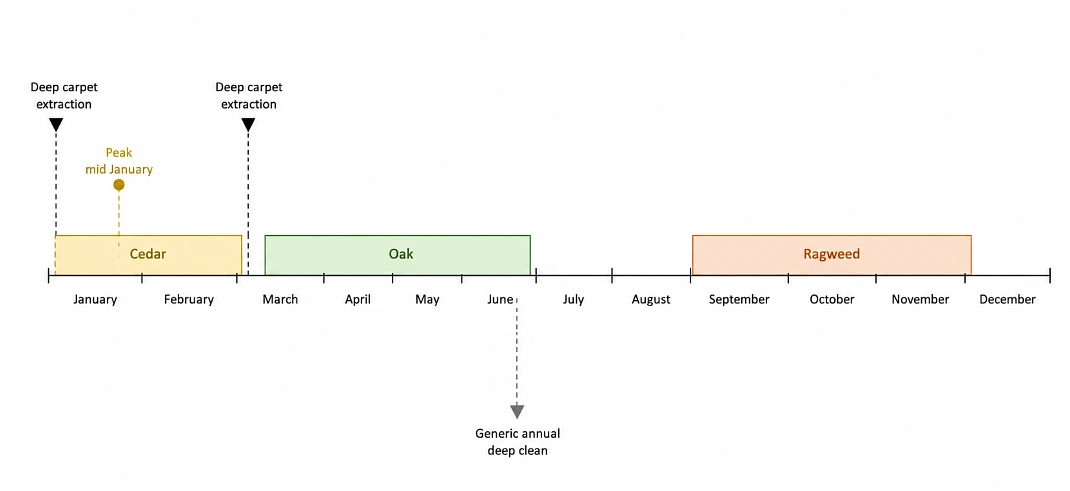
Ashe juniper, the tree behind cedar fever, makes up about a third of Austin’s trees, roughly 12 trees for every resident, most of them west of Interstate 35. From December through February, peaking around mid January, every cold front cracks the pollen cones open and the trees release so much at once they look like they’re smoking. Counts run among the highest in the country, and here’s the part that matters for an office. The pollen doesn’t stay outside. It rides in on jackets, hair, and shoes all day, then settles into carpet, upholstery, and horizontal surfaces, so people keep reacting indoors even on days when the outdoor count has dropped. An office that gets surface wiped nightly but carpet extracted never is storing a winter’s worth of allergen at ankle height. The practical fix is timing, deep carpet and upholstery work in early December before the season opens, then again as it tapers, with more frequent dusting of vents and high surfaces through the peak weeks. And cedar is only the winter act, ragweed runs mid August to mid November and oak takes over in spring, which is why Austin gets called the allergy capital and why a once a year deep clean is the wrong rhythm here.
Shared Desks Spread More Than Ideas
Austin’s growth pushed teams into open plans and hot desking, and that density is efficient for collaboration and equally efficient for germs. Kitchen handles, conference room gear, shared keyboards, door plates, the touch points collect through the day and move whatever’s on them hand to hand. The expensive version of this isn’t even the sick days. It’s the people who come in anyway and work at half speed, which costs more in aggregate than absence because it never shows up in any report. A cleaning scope that names the touch points and disinfects them on schedule, rather than promising the office will generally look clean, is the difference that shows in attendance by February.
The Client Walkthrough Is Part of the Pitch
Austin business still runs heavily on relationships, and impressions move fast through its professional circles. A visitor forms a read on your operation in the first minute inside the space, before anyone has said anything substantive, and a scuffed floor or a ripe kitchen becomes doubt your meeting has to climb out of. For any office that hosts clients or investors regularly, the space is quietly part of every pitch made in it.
Match the Schedule to Austin’s Calendar, Not a Generic One
The whole argument comes down to sequencing. Nightly touch point disinfection through winter, carpet extraction booked around the pollen seasons instead of on autopilot, and heavier scope for spaces with real visitor traffic. A local crew like Lone Star Home Cleaning can build the program around that calendar, which is a different service than a national template applied to a zip code. Most cleaning contracts get signed once and never reread. In this city, the ones worth having are the ones written with a pollen forecast open in the other tab.
What Commercial Cleaning Costs
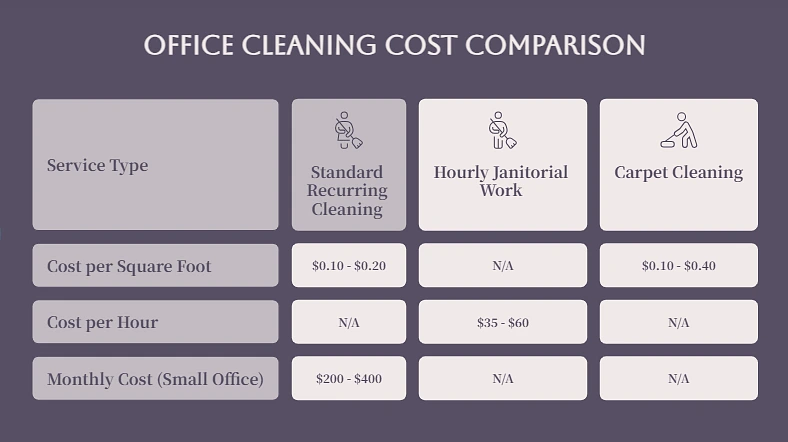
The numbers are steadier than most owners expect:
- Standard recurring office cleaning runs $0.10 to $0.20 per square foot per visit.
- Hourly janitorial work mostly lands between $35 and $60 per hour.
- A small office up to 1,000 square feet, cleaned three times a week, runs about $200 to $400 a month.
- Carpet cleaning, the line that matters most during cedar season, adds $0.10 to $0.40 per square foot as a periodic service.
Any real quote follows a walkthrough. A number given over the phone without seeing the space is a price, not a quote, and those two things behave very differently by month six.
 Decor & Improvement Accessories