

Home & Decor Blogs: DIY, Interior Design & Lifestyle Ideas
Why Native Plants Are the Smartest Investment for a Low-Maintenance Yard

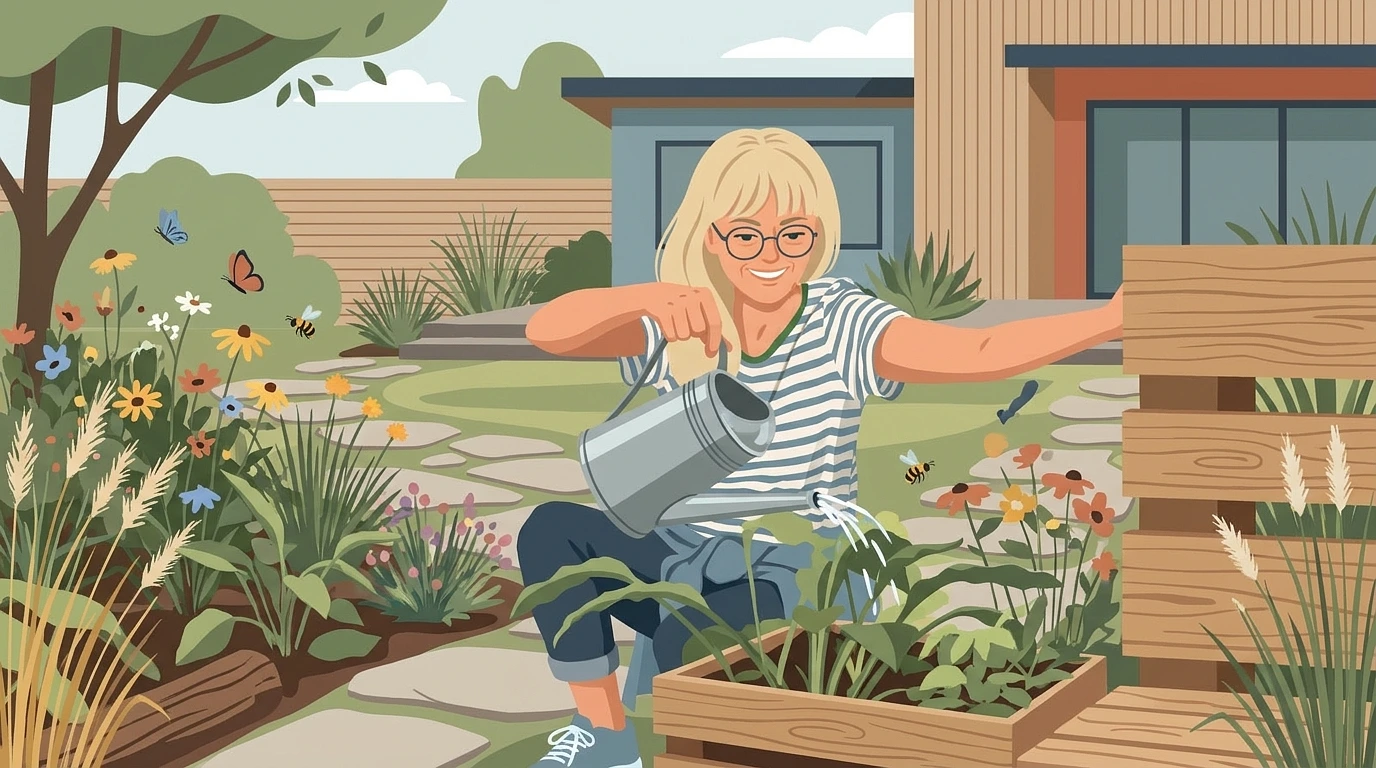
Now, if you’ve been gardening seriously for any length of time, you’ve eliminated the obvious errors of the frost-tender tropicals that had to be replaced each spring; the aggressive ornamentals that invaded areas and locations they weren’t invited to; and the perennials that looked great at the nursery and then sulked for three years before quietly disappearing. Experience is a great teacher and most gardeners find out this the hard way.
But not so obvious, even to the experienced grower, is the amount of time and money and energy that’s wasted on plants that weren’t intended to grow in a certain area. A yard with non-native ornamentals is not only more difficult to care for it actively works against the ecology of which it is a part.
That all changes with native species. No longer making the decision based on first season looks, they’re not only the eco-friendly choice. They are the clever one, and that’s what most people don’t get.
Why They’re the Top Choice for a Low-Effort, High-Reward Yard
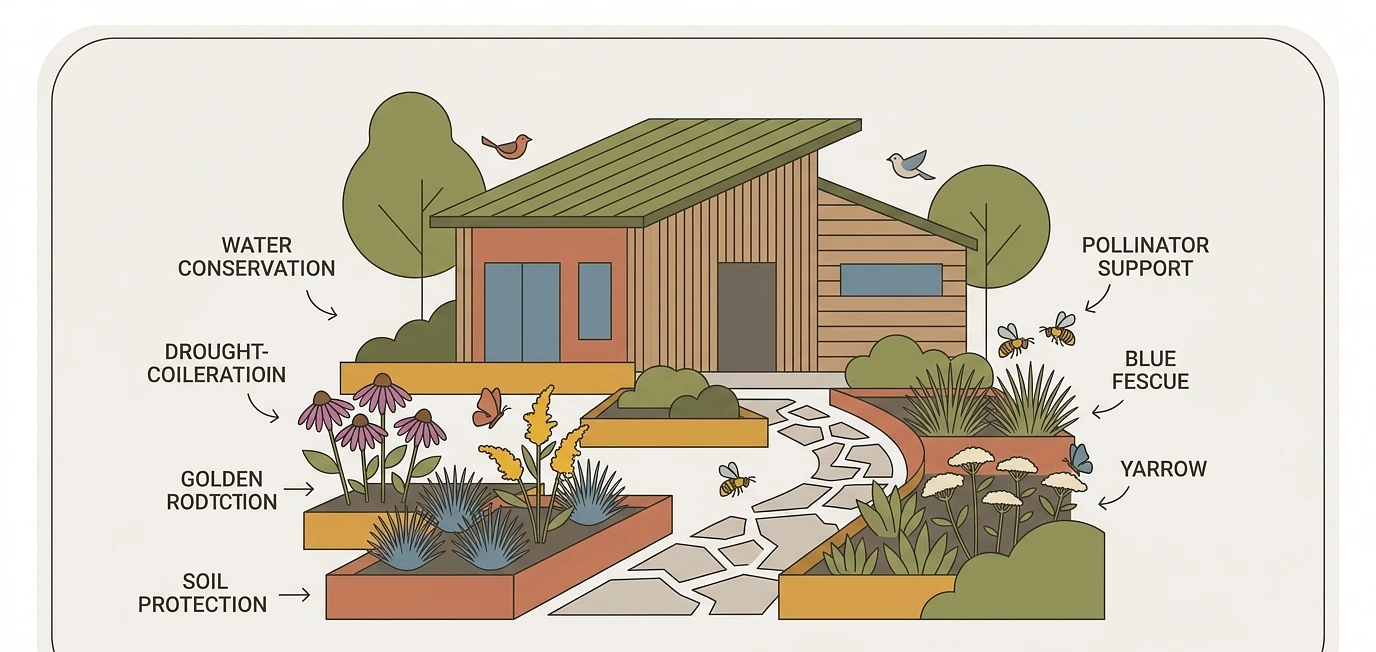
Grow plants from your area that are specifically suited to the climate and soil this means that they can be cared for less frequently and less expensively. They are very easy to establish and once established, they thrive with little to no maintenance, resulting in a sustainable and resilient landscape that requires much less water, fertilizer and pest control than imported alternatives.
1. Drastically Lower Water and Resource Needs
- Drought Tolerance: Regional species develop deep root systems that pull water from far below the surface, often needing up to 50% less water than exotic alternatives once established.
- Adapted to Local Rainfall: They’re tuned to your area’s natural rainfall patterns, which reduces and often eliminates the need for supplemental irrigation during hot, dry summers.
- No Fertilizer Required: These species evolved in the soil they’re growing in, so they thrive without the chemical inputs most ornamentals demand.
In water-restricted regions, this single benefit alone justifies the switch.
2. Reduced Time Spent on Upkeep
- Minimal Pest and Disease Control: Indigenous species come with built-in resistance to local pests and diseases, all but eliminating the need for pesticide sprays.
- Less Pruning and Fuss: Most are hardy and self-sufficient. They don’t need the constant pruning, deadheading, or replacement that annuals and ornamental imports demand.
- Natural Competition: Once settled in, they spread and fill in gaps on their own, crowding out weeds before those have a chance to establish.
The maintenance gap between regional and imported landscapes only widens with time in your favor.
3. Financial and Ecological Returns
- Long-Term Savings: A regionally adapted yard can cost up to three times less to maintain over ten years thanks to reduced water, labor, and chemical expenses.
- Longer Lifespan: Built for local stressors harsh winters, brutal humidity, sudden temperature swings these species are far less likely to die, eliminating the constant cost of replanting.
- Ecosystem Support: They provide essential food, nectar, and habitat for local pollinators (bees, butterflies, moths) and birds, turning an ordinary yard into a thriving, self-sustaining ecosystem.
Think of them less as a purchase and more as a long-term asset that appreciates over time.
4. Soil Health and Environmental Protection
- Erosion Control: The deep roots of regional grasses and flowers stabilize the soil, preventing erosion and improving water absorption which helps manage stormwater runoff during heavy rains.
- Reduced Pollution: Fewer mowers running, less fertilizer leaching, and no pesticide drift means cleaner air and cleaner groundwater in your immediate environment.
- Carbon Sequestration: Deep root systems pull carbon out of the air and store it in the soil a quiet but real climate benefit that compounds over decades.
A regionally adapted yard does ecological work for you. A conventional one makes you do the work for it.
The Hidden Cost of Conventional Landscaping
Imported ornamentals look impressive in year one. They fill in fast, bloom reliably in the short term, and photograph beautifully. But they bring a steady stream of inputs that add up quickly and never really stop.
The real costs of imported landscaping include:
- Supplemental irrigation during every dry stretch
- Fertilizer applications to compensate for soil they didn’t evolve in
- Pesticide treatments for bugs they have no natural resistance to
- Annual replacements when they fail to overwinter properly
- Constant pruning and shaping to keep them within bounds
For anyone managing a larger property or working professionally in landscape maintenance those costs become significant. But the deeper issue isn’t financial. It’s the sustained attention these imports demand, which steals time from the more meaningful work happening in the rest of the garden. You end up managing a landscape instead of improving it.
The Pollinator Connection
One of the strongest arguments for going regional has nothing to do with how the yard looks. It’s about function and specifically, what’s happening to pollinator populations right now.
The statistics are disturbing. The Xerces Society for Invertebrate Conservation estimates that more than 30% of their managed colonies every year now being lost annually. Pollinators, too, are facing threats and the impact is felt beyond honey production. Pollinators help pollinate about one-third of the food we consume.
The problem and solution lie with regionally adapted species. They have co-evolved with local pollinators over thousands of years, so bees, butterflies and other beneficial insects are built to use them. Even the most prolific bloomers of imported ornamentals are frequently lacking in the nesting and pollen structure and timing that these creatures require in order to survive.
Building a yard around region-appropriate pollinator plants is one of the highest-leverage choices a serious gardener can make. You’re not just creating habitat you’re restoring a relationship between flora and insect that took millennia to develop, and that directly supports the ecological health of everything within several miles of your property.
Establishment Takes Time. So Does Any Real Investment.
A common frustration among growers, even experienced ones, is the first season. Many regional perennials spend the bulk of their first year putting down deep root systems rather than producing visible top growth. To gardeners conditioned to expect instant performance, this can read like failure.
It isn’t. That early root development is exactly what allows these species to perform so reliably in the years that follow.
The USDA Forest Service notes that the deep root systems of native plants significantly increase the soil’s capacity to store water and dramatically reduce runoff. These benefits don’t appear once they compound year after year as the planting matures.
What This Means in Practical Terms
- Less supplemental watering as roots reach deeper moisture.
- Less fertilizer as the soil biology improves naturally.
- Fewer pest interventions as natural predators establish balance.
- Less replacement because the planting survives long-term.
- More resilience during drought, flood, or temperature extremes.
The ongoing maintenance burden actually decreases over time rather than staying flat. That’s almost the opposite of what happens with most imported planting schemes and it’s why the long view matters so much here.
What Knowledgeable Gardeners Know About Plant Selection
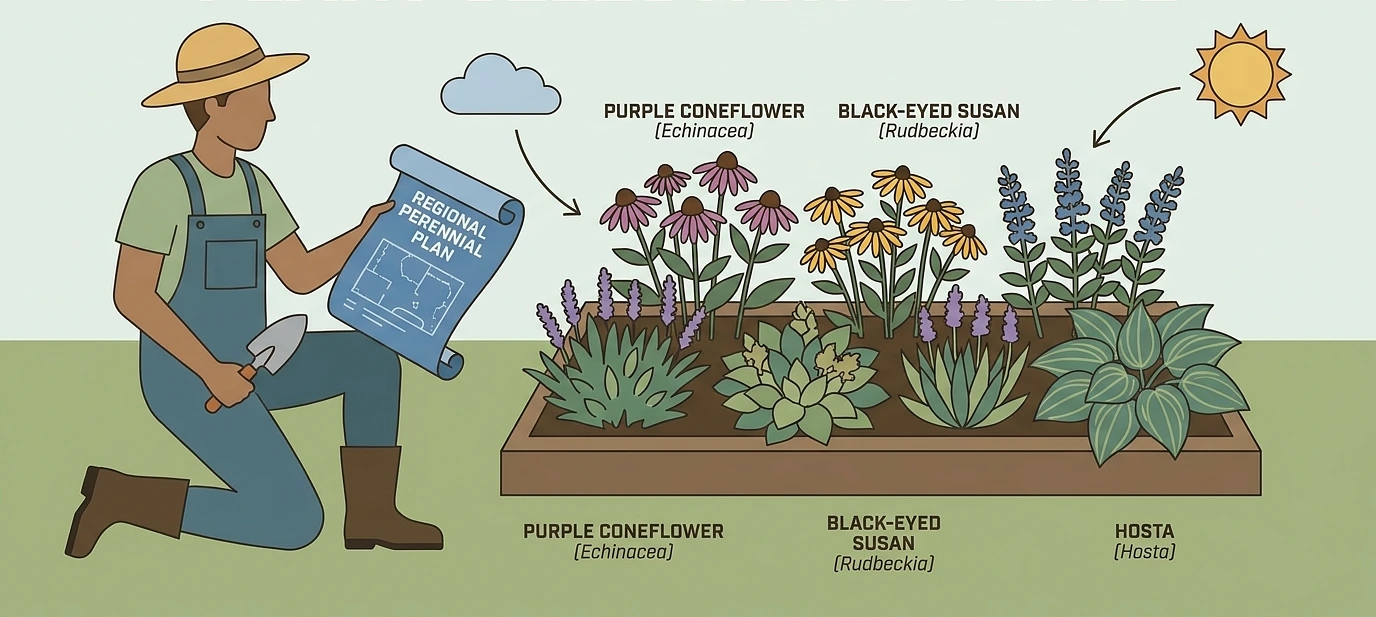
The skill of an experienced gardener doesn’t show in how much they do to a landscape. It shows in how well they’ve matched species to place. Regional perennials reward this approach more than almost any other category and these are some of the most reliable performers worth building a planting plan around.
Liatris (Blazing Star)
A reliably high-impact perennial, with tall spiky purple blooms that pull in butterflies in serious numbers. It settles in quickly in well-drained soil and full sun, and its strong vertical form provides the kind of structural contrast most perennial borders need to avoid looking flat.
Bee Balm (Monarda)
Fills in vigorously and brings hummingbirds and bees consistently through its full bloom period. It tolerates variable soil and handles hot summers without complaint, making it one of the most dependable workhorses in any planting plan.
Purple Coneflower (Echinacea purpurea)
Drought-tolerant once settled in, supports specialist bee populations, and produces seed heads that birds actively feed on through fall and winter. It keeps contributing to the home & garden long after the blooms are gone.
Black-Eyed Susan (Rudbeckia hirta)
One of the most forgiving perennials you can plant. It tolerates poor soil, handles both wet and dry conditions, and fills gaps in a planting scheme without demanding much. For mixed borders and naturalized areas, it’s nearly indispensable.
Little Bluestem and Regional Grasses
These deserve far more attention than they usually get from experienced gardeners. They bring structure and seasonal interest right when most perennials have finished, shifting from soft blue-green in summer to rich bronze and copper as the season turns.
Designing a Smart Layout
A successful regional garden isn’t just a collection of species it’s a thoughtful arrangement that mimics how flora grows together in the wild. A few practical pointers:
- Plant in clusters of 3–7, not single specimens pollinators find groupings far more efficiently.
- Layer heights tall grasses or Liatris in the back, mid-height coneflowers and bee balm in the middle, low ground covers in front.
- Stagger bloom times early, mid, and late-season bloomers keep food available for pollinators across the entire growing season.
- Leave seed heads through winter they feed birds and add visual texture to a dormant garden.
- Skip the mulch volcano let things self-seed where they want; that’s how wild communities maintain themselves.
Done well, this kind of layout looks intentional but relaxed a real garden, not a manicured display.
Low Effort Is Not the Same as Low Expectation
There’s a version of easy gardening that just means lowering your standards accepting weeds, accepting bare patches, accepting a yard that looks tired most of the year. That’s not what regional species offer.
A well-designed planting requires less work not because you’ve accepted less, but because the flora is doing more of the work itself. These species perform ecological functions that imports simply can’t:
- Building soil biology through deep root systems
- Cycling nutrients without fertilizer inputs
- Supporting insect communities that keep the garden genuinely alive
- Sequestering carbon in living root mass and healthy soil
- Holding moisture during dry spells without irrigation
That’s a fundamentally different kind of landscape and it gets better with time instead of needing constant intervention just to hold its shape.
 Decor & Improvement Accessories