

Home & Decor Blogs: DIY, Interior Design & Lifestyle Ideas
Should You Consider Knockdown and Rebuild? Key Benefits and Considerations
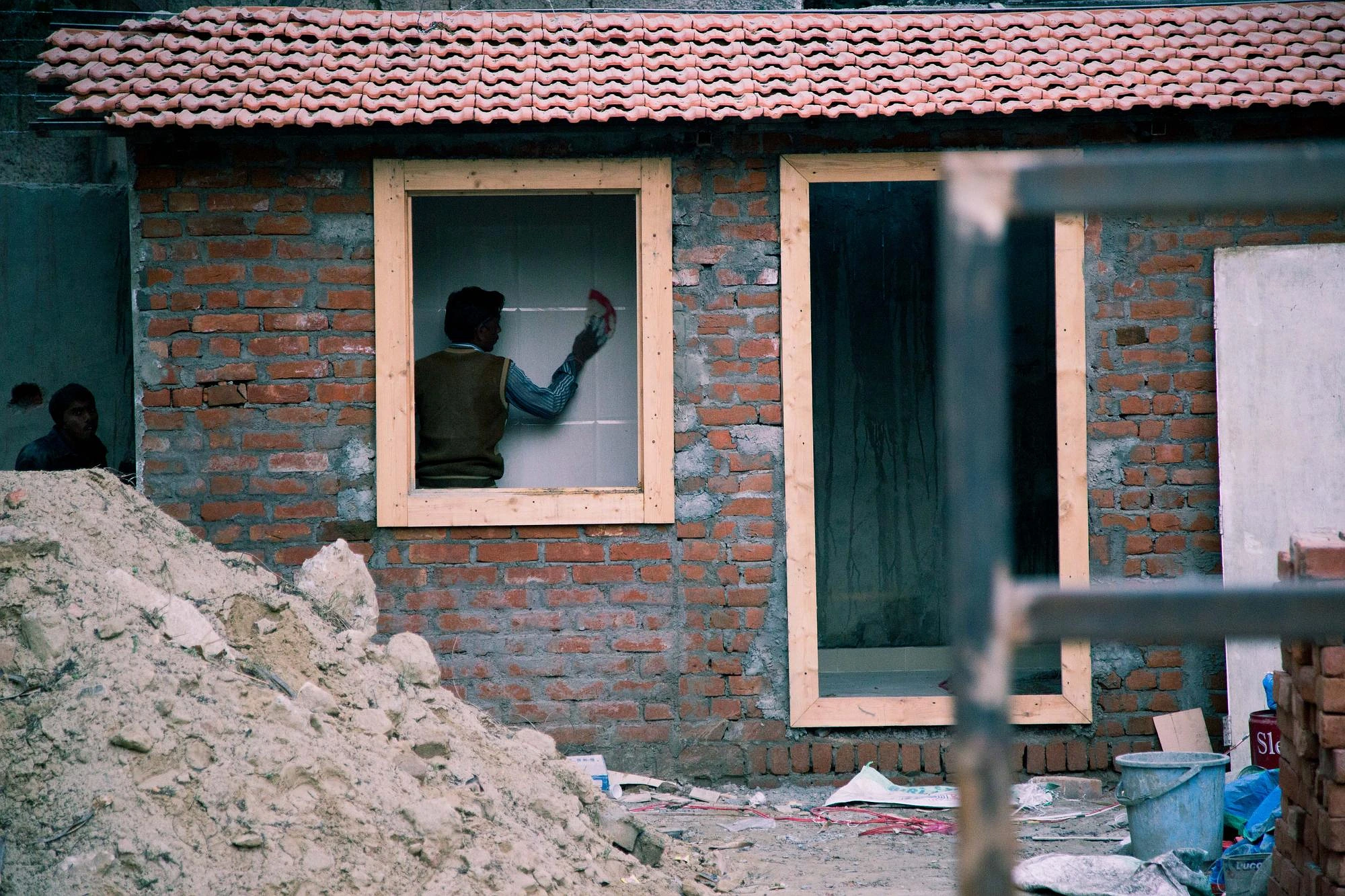
If your home doesn’t work anymore but your suburb does, a knockdown and rebuild lets you tear down the old house and put up a new one on the same block, and close to a third of all newly built homes in Australia happen this way. No stamp duty on the build if you own the land, a home that meets current energy and safety codes, and a fixed-price contract instead of crossing your fingers that renovation costs won’t spiral.
Whether that actually makes sense for you depends on the block, the budget, and how far gone the existing house really is.
Renovation keeps going wrong for people
Nearly three out of four Australian homeowners who renovated ran into unexpected costs or financial trouble during the project, according to a Budget Direct survey of more than 1,000 homeowners. Older houses are full of surprises behind the walls — asbestos, dodgy wiring, water damage nobody told you about, structural problems that only appear once the demolition starts.
That’s the core reason knockdown rebuilds keep gaining ground. KPMG found in their 2024 analysis that renovation spending now makes up 40% of all residential construction spend nationally, climbing from 34.2% back in 2018-19. People are throwing serious money at fixing up old homes, and a good chunk of it goes toward problems rather than improvements.
With a rebuild, you get a cleared site and a fixed-price build contract. The number on paper is the number you pay. Renovations on older homes rarely work that cleanly.
What it actually costs
The total for most knockdown rebuild projects sits between $350,000 and $750,000 across Australia. The ABS figure for the average new home build was $443,828 in 2023-24.
| What | How much |
|---|---|
| Demolition | $15,000–$50,000 |
| Construction per sqm | $1,800–$4,500 |
| Melbourne builds per sqm | $2,100–$3,900 |
| Council permits and approvals | $2,500–$10,000 |
| Soil testing and engineering | $3,000–$6,000 |
| Service disconnection/reconnection | Varies by site |
| Temporary rent during construction | 12–18 months worth |
Standard demolition on a single-storey home usually lands closer to $15,000–$30,000 unless there’s asbestos or tricky site access involved. The construction cost is a big number, and it swings depending on location, size, design complexity, and finish level.
Add 15-20% on top of the contract price as contingency. Landscaping, driveways, and fencing after the build is done sit outside most contracts, too — people forget about those.
Stamp duty doesn’t apply if you own the land
You don’t pay stamp duty on a knockdown rebuild because no property is changing hands; you already own the block. Buying an equivalent property elsewhere would cost over $44,000 in stamp duty alone on an $800,000 purchase in Victoria. That’s money disappearing into a government fee instead of going into your new kitchen or an extra bedroom.
Conditions by state:
- Victoria: Rebuild within three years of demolition
- NSW: Within 12 months, the build must cost over $450,000, and you need to have lived there at least 12 months before demolishing
- South Australia: Demolish and rebuild within five years
Rules change. Check your state revenue office before banking on the exemption.
New builds meet current building codes, but old homes don’t
Everything goes up under the current National Construction Code, proper insulation, modern glazing, updated electrical and plumbing, and structural standards that an older home was never built to. The Master Builders Association says those updated NCC standards from 2023-2024 added about $30,000 to the average new home. That’s nothing, but it pays back through lower energy bills and a house that’s genuinely comfortable through Australian summers without the air con running flat out.
Renovation stitches new work onto old. You end up with modern insulation in one room and single-glazed windows in the next. A rebuild is one consistent standard across the whole house.

You design the whole thing from scratch
Full design control, floor plan, room sizes, orientation for light and airflow, ceiling heights, how the house connects to the yard, all built around how your household lives now, not arranged around a structure from 1975. Renovation forces compromise. Walls only move so far. Extensions have to bolt onto the existing building. Ceiling heights and window positions are fixed unless you spend heavily to change them.
A rebuild doesn’t carry any of that baggage. If you need a ground-floor bedroom for ageing parents, a proper home office, or a kitchen that actually faces the backyard, you draw it into the plan, and it gets built.
How long does the whole thing take
12 to 18 months from contract signing to handover for most projects, stretching to 24 months if council approvals drag or the design is complex.
Rough sequence:
- Site assessment and feasibility check
- Pick and customise the home design
- Council permits and approvals
- Demolition — usually wraps up in 1–2 weeks
- Construction stages: slab, frame, lockup, fixing, completion
- Inspections and progress payments at each stage
- Final inspection and keys
Your existing home comes down right at the start, so you need somewhere to live for the full build period. Renting nearby, moving in with family, whatever works — but budget for it early because 12-plus months of temporary housing is a real cost.
When this actually makes sense
Homeowners on well-located land where the existing dwelling is past fixing through renovation, structural issues, unsalvageable layout, systems that need replacing throughout, or just not enough space and no room to extend.
Also works for people who inherited a property in a good suburb, or anyone who bought an older home, knowing the land was the real asset.
When it doesn’t work: heritage overlay areas where council won’t let you demolish, homes with solid bones that genuinely just need updating, or budgets that can’t comfortably cover demolition plus a full build plus somewhere to live during 12-18 months of construction. If that financial stretch feels tight, a staged renovation is probably safer.

 Decor & Improvement Accessories