

Home & Decor Blogs: DIY, Interior Design & Lifestyle Ideas
What Every Homeowner Should Know About Pest Control in 2026

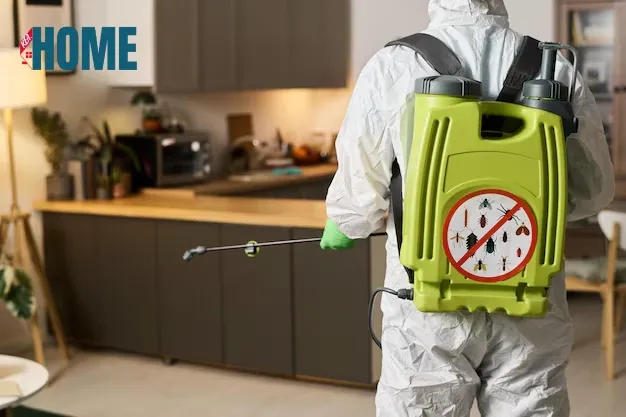
There’s a moment, usually around 2am when you hear something scratching inside a wall, and your brain immediately goes to the worst possible explanation. Rats. Mice. Something with too many legs. You lie there telling yourself it’s probably nothing, knowing full well it isn’t.
Pest problems are one of those things most people ignore until they can’t anymore. A few ants on the kitchen counter in March. A mouse dropped behind the fridge in October. By the time it’s obvious enough to deal with, whatever moved in has had weeks or months to get comfortable.
The US pest control market is estimated at roughly $28.5 billion in 2025 and is expected to surpass $38 billion by 2033. That’s a lot of money being spent on creatures that weigh less than a coin. The residential side alone accounts for $13.51 billion, with 85% of that coming from recurring service contracts rather than one-off treatments. The industry isn’t growing because people suddenly started caring more about bugs — it’s growing because the problems are getting worse, and the old approach of spraying everything and hoping for the best doesn’t cut it anymore. Stop infestations before they spread with professional pest control services from the trusted team at All American Pest Control.
The pests that cost homeowners the most
Not all pests are equal. Some are annoying. Some are expensive. A few are both.
| Pest | Why it’s a problem | What actually works |
|---|---|---|
| Carpenter ants | Chew through structural wood silently | Bait stations (roughly 90% effective) |
| House mice | Active year-round, 13.25 million residential cases annually | Exclusion sealing + snap traps |
| German cockroaches | Thrive in multi-family housing, breed fast | Gel baits (95% success rate) |
| Norway rats | Commercial and residential, carry disease | Tamper-proof bait stations |
| Subterranean termites | $20 billion in agricultural damage alone | Liquid soil barriers |
“Pest control companies say that carpenter ants are their leading revenue source right now,” he said, which tells you something about how common and destructive they are. They don’t consume wood as termites do, eating away at it to make their nests; instead, they hollow out spaces in which to nest, meaning much of the harm goes unnoticed until walls and beams become structurally unsound. By then, the repair bill far exceed what you would have paid for pest treatment.
Mice are the volume problem. More than 13 million domestic cases a year in the U.S. They wriggle through holes the size of a 10p piece, breed at a rate that would almost be impressive if it weren’t repellent, and they are active in all seasons. The myth of mice as a winter-only problem ends up leaving folks with several months of doing nothing.
The German cockroach is the star of the show on pest control job reports in flats and apartment buildings. One egg case yields 30 to 40 nymphs, and they can progress from egg to breeding adults in roughly 60 days. Gel baits can be highly effective, with a success rate of 95%, as long as they are applied correctly — and there’s a lot packed into “applied correctly” there.
What’s changed in 2026
Three things are shifting the pest control industry in ways that actually matter to homeowners.
Climate is making things worse. Freeze-thaw cycles and warmer winters are pushing pest ranges further north and extending breeding seasons. Subterranean termites and mosquitoes have seen roughly 20% increases in activity in affected regions. Grub populations are surging across Southern and Western states. If you’ve noticed more mosquitoes lasting later into autumn than they used to, you’re not imagining it.
The chemicals are changing. EPA revisions to FIFRA regulations are tightening what can be used in and around homes. Non-toxic integrated pest management (IPM) approaches are up about 30% as a result. This isn’t some fringe eco movement — it’s the direction the entire industry is heading because the regulations are forcing it and because, frankly, the targeted approaches work better than blanket spraying ever did.
Smart technology has arrived. IoT-connected traps that detect activity and send alerts to your phone or your pest control provider. Monitoring systems that track rodent movement patterns. It sounds like overkill until you consider that $2.9 billion of the industry’s revenue now comes from recurring tech-enabled monitoring services. The traps catch the problem. The data prevents the next one.

When to deal with what
Pest pressure isn’t constant through the year. Different things show up at different times, and treating for the wrong pest at the wrong time wastes money.
Spring is when ants and spiders wake up and start pushing indoors. Perimeter treatments around your foundation in March or April catch them before they establish trails into the house.
Summer brings mosquitoes and ticks. If you’ve got standing water anywhere on your property — gutters, birdbaths, that old tyre behind the shed — deal with it. Mosquito and tick programmes run through the warm months, and they’re worth it if you spend any time in your garden.
Autumn is rodent season. Mice and rats start looking for warmth as temperatures drop. This is when exclusion work matters most — sealing entry points before they get in rather than trapping them after they’ve already set up in your walls.
Winter is when German cockroaches thrive indoors. Heated buildings with food and water are a paradise for them. If you live in a flat or any kind of shared building, winter roach pressure is almost inevitable without proactive treatment.
DIY pest control mostly doesn’t work
This is the part nobody wants to hear. Those $200 to $500 power treatments from the hardware shop — the foggers, the sprays, the ultrasonic plug-in things that claim to repel everything — fail about 60% of the time.
The reason is pretty straightforward. Most pest problems aren’t surface-level. You’re killing the ones you can see while the colony, the nest, the breeding population carries on behind your walls or under your foundation completely unbothered. A can of spray might knock out the ants on your counter today. It won’t touch the thousands more in the colony that sent them there.
Professional pest control with proper monitoring and follow-up hits about 85% success rates. The difference comes from identification (knowing exactly what you’re dealing with), targeted treatment (using the right method for that specific pest), and monitoring (coming back to check whether it actually worked and adjusting if it didn’t).
That gap between 60% and 85% is the gap between spending money twice and spending it once.
Prevention that actually helps
You can’t pest-proof a house completely. But you can make it significantly harder for things to get in and significantly less attractive once they do.
- Seal any crack or gap wider than a quarter inch. Around pipes, where cables enter the house, along the foundation line, and around window frames. Mice need about a 6mm gap. That’s it. Steel wool packed into gaps before you caulk over them stops rodents from chewing through the seal.
- Trim vegetation back at least 12 inches from your foundation. Bushes and shrubs touching your house are motorways for ants, spiders, and rodents. They provide cover and direct access to exterior walls.
- Apply granular baits quarterly. A perimeter application in Q1 and Q3 catches the two big pest pressure waves (spring emergence and autumn migration) before they reach your doors.
- Fix moisture problems. Dripping taps, leaky pipes under sinks, and poor drainage around the foundation. Pests need water. Remove the water source and you remove a big part of the attraction.
- Store food properly. Sounds basic because it is. Open packets in the pantry, crumbs under the toaster, pet food left out overnight — all of it is an invitation.

The subscription model is taking over
Roughly 70% of pest control industry revenue now comes from subscription-based service plans rather than one-off call-outs. There’s a reason for that — quarterly visits with monitoring between them catch problems early, when they’re cheap and easy to fix, rather than late, when they’re expensive and established.
A decent subscription plan includes quarterly inspections, treatment as needed, monitoring devices in problem areas, and call-out cover if something pops up between visits. The cost varies by region and property size, but it’s almost always cheaper over a year than two or three emergency call-outs for problems that could have been prevented.
The industry is projected to grow another 5 to 8% annually through 2030, with subscription models and smart monitoring driving most of that growth. The direction is clear — reactive pest control is being replaced by preventive pest management, and homeowners who get ahead of that curve spend less and deal with fewer infestations.
 Decor & Improvement Accessories