

Home & Decor Blogs: DIY, Interior Design & Lifestyle Ideas
Why Historical Home Preservation Matters Today
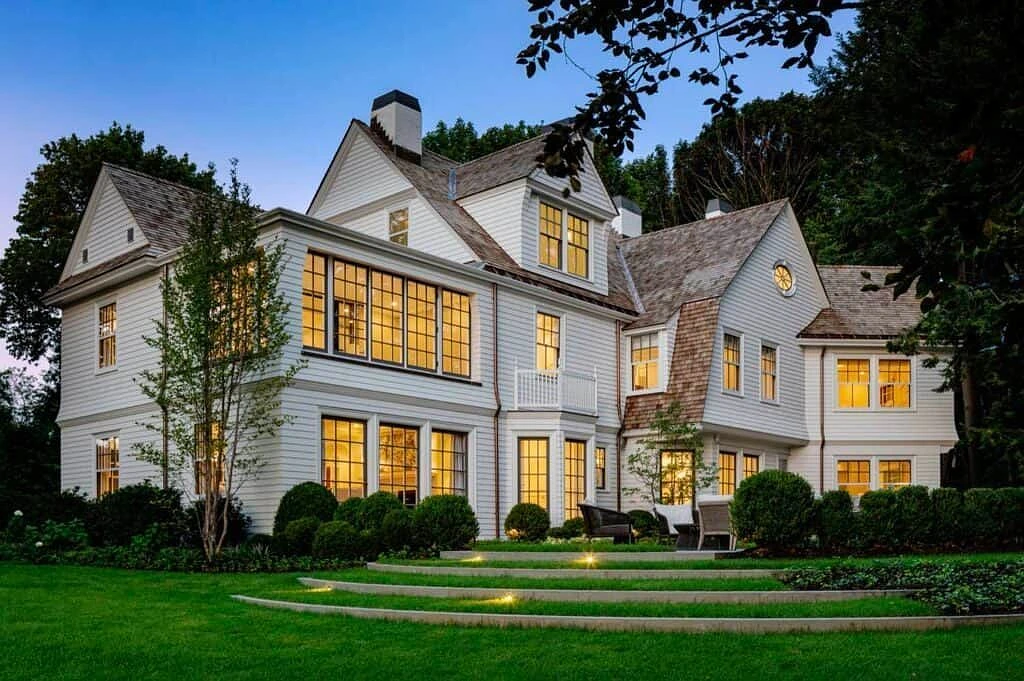
This argument in support of preserving historic houses is not nostalgic – it is supported by environmental research, a federal tax program operational since 1976, and materials that are not to be found anywhere today.
The National Historic Preservation Act was passed in 1966. That was what formed the National Register of Historic Places, the State Historic Preservation Offices, and the Section 106 review process. The discussion of the value of old houses not being saved has not stopped since. The only difference is the available amount of data to respond to it.
Demolition and Carbon
Dismantling an old building may create a carbon debt, which a new building will not cover until 20 to 30 years or even 80 years to cover the debt.
Each building has contained energy within it -the total of energy used in hunting down, making, and bringing its original materials. All of it is demolished. In 2011, the Preservation Green Lab at the National Trust for Historic Preservation conducted life cycle evaluations of six building types in four cities within the United States in their report, The Greenest Building: Quantifying the Environmental Value of Building Reuse.
- Building reuse saves between 4 and 46 percent over new construction at equivalent energy performance
- A new energy-efficient building takes 10 to 80 years to overcome the carbon impact of its own construction
- Most building types, across most U.S. climates, land in the 20–30 year payback range
Retrofitting an existing historic home — better insulation, updated heating, storm windows over original frames — cuts the carbon footprint without generating demolition waste.
The Tax Credit
The Federal Historic Tax Credit, since 1976, has attracted over 257.8 billion in private investment into historic rehabilitations and created over 3.4 million jobs.
The program allows property owners a 20 percent federal income tax credit for certified rehabilitation of income-producing historic buildings. It has been administered by the National Park Service in collaboration with the IRS and State Historic Preservation Offices.
- $12.8 billion in economic output
- ~116,000 jobs supported
- Over three-quarters of all projects in economically distressed areas

Exterior Upkeep
Original wood siding, millwork, and trim fail fast without proper surface protection — and once gone, accurate replication is expensive and rarely exact.
Paint isn’t cosmetic on a historic structure. Wrong primer or topcoat traps moisture and speeds up the damage it’s supposed to prevent. Color selection on a listed structure often has to meet preservation guidelines, too. Working with painters who know historic properties, like East Valley Painting Services, affects both how long the work lasts and whether the rehabilitation stays within compliance.
Materials You Can’t Get Anymore
Hand-crafted timber, lime plaster, hand-crafted ironwork, hand-cut joinery – none of these are available as modern sources, and when it is demolished, it is forever lost.
Old-growth framing is more resistant to rot and warping (cutting) of trees that are more than a century old, and the framing is denser than that of plantation-grown lumber. Lime plaster does not respond to humidity like drywall. Not aesthetic differences — performance differences. They disappear permanently when a historic home comes down.
The NPS confirms more than 100,000 properties listed in the National Register as of mid-2025, covering over two million individual contributing resources. Listing doesn’t prevent demolition in most cases but triggers Section 106 review when federal permits or funding are involved — meaning adverse effects have to be considered before any decision gets signed off.

 Decor & Improvement Accessories