

Home & Decor Blogs: DIY, Interior Design & Lifestyle Ideas
5 Timeless Renovation Ideas the Design Magazines Keep Coming Back To
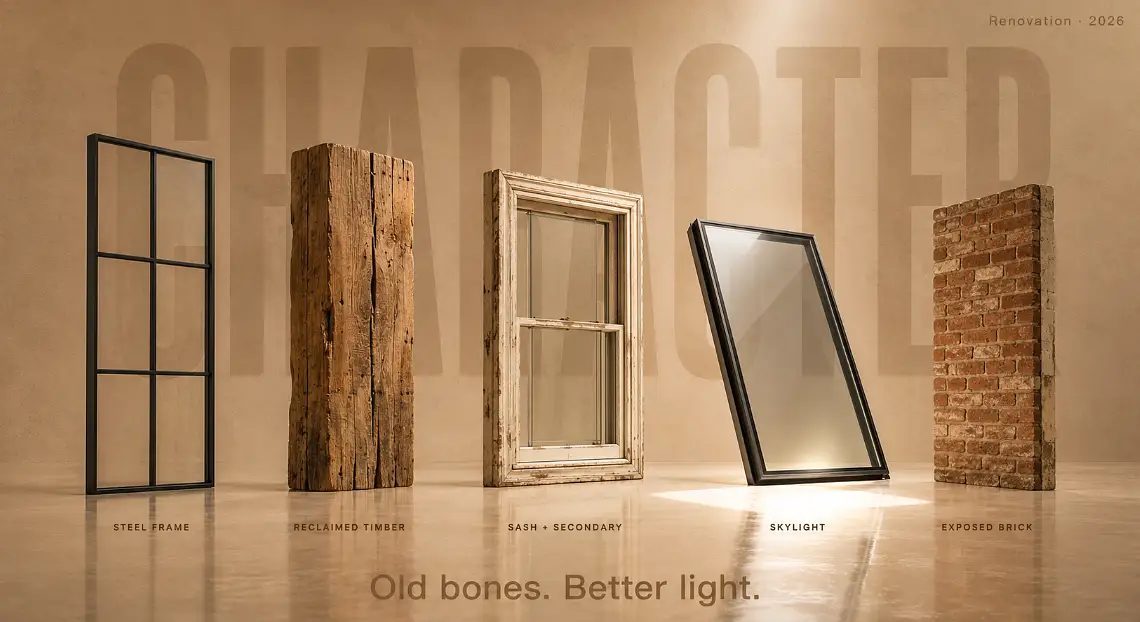
Flip through enough of these design magazines and you start clocking a funny thing. The renovations they feature, the ones that still look right when you bump into the same house again years on, were never the ones chasing whatever was hot that season. It’s the same few ideas turning up again and again, different houses, different decades, same handful of calls. The trend pages get ripped up and redone every single year. The timeless stuff hardly budges.
So instead of guessing at what makes a job age well, I went back through what the interiors lot keep pushing year after year and pulled the five that come up the most. Each with the honest reason it’s on here, because a couple of them aren’t half as obvious as they look.
- Slim steel-framed glazing, the Crittall look that just won’t date
This one’s everywhere and it’s earned it. That slim black-framed glazing everyone calls Crittall has been knocking about since the 1800s and it still somehow looks current.
The reason they keep going back to it is practical, not fashion. Those steel-framed doors split a space up without killing the light or making the room feel smaller, and the look sits just as happily in some crumbling old period place as it does in a glass-box new build. That’s why it lasts. It does an actual job, breaking up rooms while letting the light keep moving through, and it never tied itself to one decade.
Something that’s stayed wanted for over a hundred years isn’t a trend, it’s just a safe default.
There’s an honest catch though, and the decent magazines own up to it. A lot of what gets sold as the Crittall look is aluminium, not the real steel. The aluminium ones don’t quite match it on weight and quality, but they’re cheaper and you get them way faster, and both give you that same timeless look anyway.
The tip: know which one you’re actually buying. Don’t let someone flog you aluminium as steel, and don’t pay steel money when an aluminium system was the smarter shout for your budget and your timeline.
- Reclaimed and natural materials, because they age instead of just wearing out
This is the one that splits timeless from dated harder than anything else here, and the magazines have properly cottoned on to it.
Reclaimed timber, old terracotta, salvaged stone, there’s an authenticity to that stuff you just can’t fake. And the bit that stuck with me was dead simple, that it ages well, a reclaimed wood ceiling or some antique terracotta tile is still going to look good twenty years from now.
Age is the whole thing. Real natural materials change as they get older. Timber goes soft and grows a patina, stone wears into character, metal picks up a finish you’d never get buying it new off a shelf. The stuff that dates fast is the stuff doing an impression of something it isn’t, your laminate printed to look like oak, the finish pretending to be stone, and it can’t ever grow into character, it can only wear down and slowly show you what it actually was all along.
It’s about as close to a hard rule as you get in renovation:
A material that looks better with age reads as timeless. One that can only get worse is on a clock from the day it goes in.
- Repair the old windows, don’t rip them out
Most people get this one backwards, and I like that the press actually goes against the grain on it, because every instinct you’ve got in a renovation is screaming tear the old out and bolt the new in.
Usually the smarter move’s the other way. Something like a fifth of an older home’s heat leaks out through the windows, but replacing them isn’t always the answer. Slim secondary glazing fitted inside the original timber frames keeps the old look while it cuts the draughts and the heat loss right down. Yank out the original windows for chunky modern frames and you can lose the exact proportions that made the house worth doing up in the first place.
Keep the old frames, sort out what’s going on behind them.
The same instinct, slim frames, holds when you are adding new glazing in an extension. It’s a point the glazing suppliers themselves make, not just the magazines, nowaluminium.co.uk piece on open-plan living lands on the same idea, that the appeal of modern glazing is brighter spaces and better flow rather than any particular trend, with slim sightlines doing the work of letting in light without stamping a date on the room. Slim frame, maximum glass, minimum era-stamp, whether it’s heritage steel or a modern aluminium system.
- Get as much light in as you can, because nobody ever stops wanting it
Paint colours and finishes come and go forever. Wanting a bright, light-filled room never does.
Even the glazing guides cop to glazing being the boring part of a renovation before turning round and arguing it’s the single biggest thing for how light and airy a space actually feels, never mind what it does for warmth and your heating bill.
And there’s one number worth holding onto. A glazed roof can pull in up to twice the light of a normal vertical window, because it’s aimed straight up at the sky instead of catching it side-on. Got a dark room with no decent wall to cut a window into? That one stat changes the whole plan.
It’s that rare upgrade that’s practical and emotional at the same time, which is probably why it never goes anywhere.
- Match the materials to the era, don’t fight it
The last one they keep circling back to is fit. The jobs that age well don’t drag every room into one trendy moment, they let the bones of the house lead and pick materials that sit right next to them.
A heavy industrial concrete worktop in some soft little Victorian cottage fights the house every single day. Brushed brass and warm timber in that same cottage just settles in and looks like it was always there. Works both ways too, a period fireplace shoved into a stripped-back modern flat can look every bit as wrong as the concrete does in the cottage.
So it’s less about fashion, more about belonging:
Pick the finish that already suits the room you’re standing in, not the one that’s trending. Do that and the job reads as timeless because it never looked bolted-on, it looked like it grew there.
What the five have in common?
If there’s a thread, it’s that they all work with time instead of against it. Crittall, the natural materials, the old window frames, they all get better, or at least more characterful, the older they get. Light never dates because the eye never gets sick of it. And matching materials to the house is really just refusing to bolt this year onto something that’s already stood for a hundred.
None of it’s about chasing the look of the season. That’s the real split between the houses the magazines keep putting on the cover and the ones that quietly vanish. The ones that last weren’t trying to be of their moment. They were trying to still look right in twenty years, and that’s the one thing on this whole list you can copy for nothing.

 Decor & Improvement Accessories