

Home & Decor Blogs: DIY, Interior Design & Lifestyle Ideas
How Different Industries Use Custom Fabrication, and What Each One Is Buying

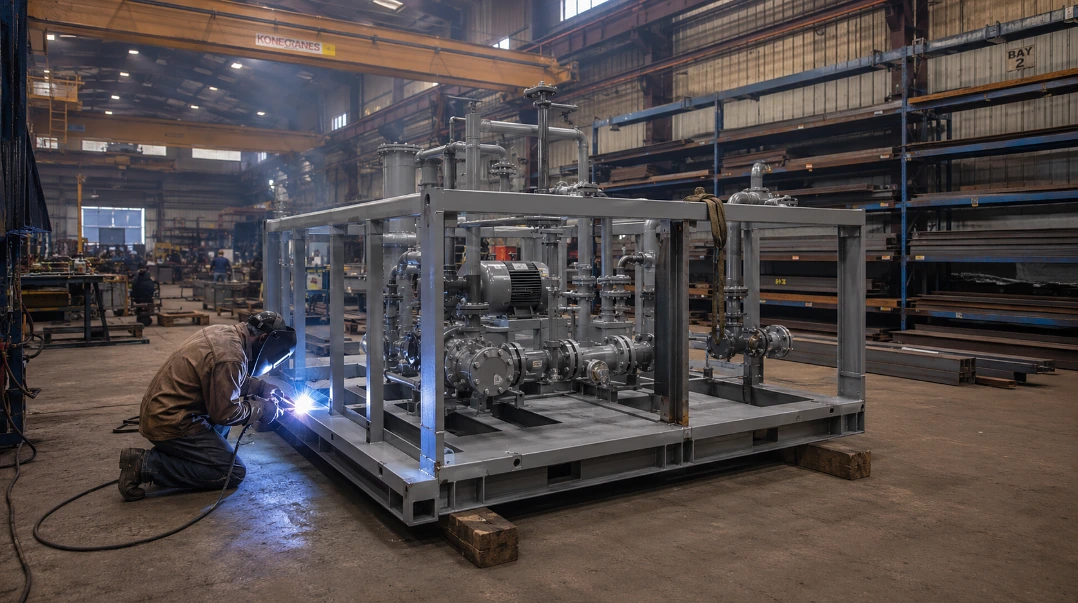
Custom fabrication gets sold with the word flexibility, and flexibility is the wrong word. The industries that pay for purpose built steel are not buying options, they are buying one specific constraint solved, and the constraint is different in every industry. Read the sections below as five different purchases that happen to share a shop.
Oil and Gas Is Buying Fewer Field Welds
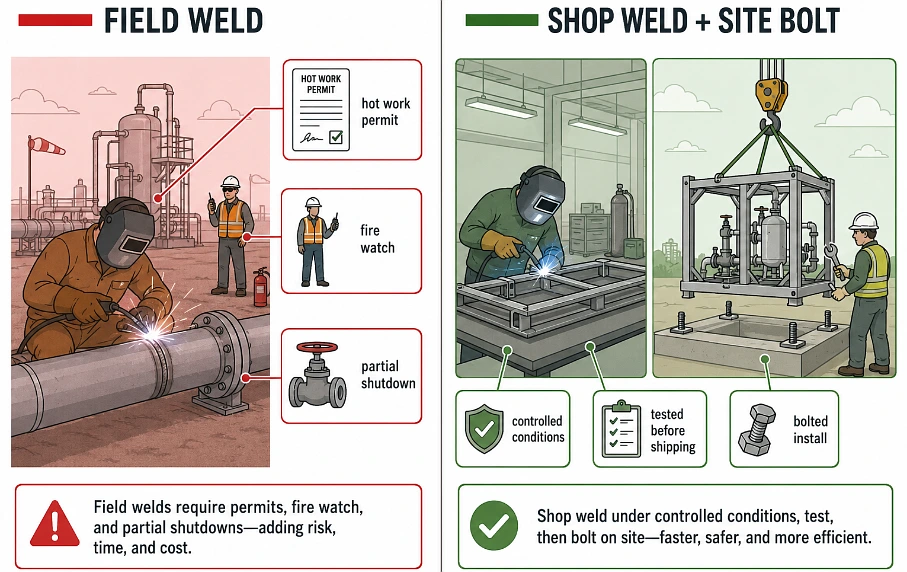
On a live processing site, every weld means a hot work permit, a fire watch, and sometimes a partial shutdown, so the expensive part of steel is not the steel, it’s the sparks. That is why so much oil and gas equipment arrives as skids, pumps, piping, and controls already mounted on a fabricated frame in the shop, tested, then craned into place and bolted down. Support frames, access platforms, and pipe supports get the same treatment. The shop does the welding where welding is cheap, and the site does the bolting where welding is dangerous.
Subsea and Offshore Are Buying Paperwork That Holds Up
There are no repairs at depth, so an offshore component has to be provably right before it leaves the dock. That’s why subsea deployment frames and intervention tool supports come with a paper trail as heavy as the steel, material test certificates tracing every plate back to its mill heat, weld maps, nondestructive testing on the joints, and proof loading with witnesses present. Corrosion drives the material decisions too, with coatings and grades picked for salt exposure rather than price. Offshore work is the one corner of fabrication where the documentation genuinely is the product.
hat Moves a Fabrication Quote
Fabrication pricing is quote driven, but every quote moves on five things:
- Material grade and thickness, since specialty grades cost more per pound and per weld.
- Certified welding and testing, because every documented weld and NDT report adds shop hours.
- Tolerances, where each decimal place of precision costs more than the one before it.
- Finishing, meaning hot dip galvanizing or marine coating systems applied at the end.
- Engineering time, the design work, calculations, and drawings done before any steel gets cut.
Weigh a proposal against those five and the custom fabrication service advantages stop being brochure language and turn into line items, fewer field welds, faster installs, documentation that passes audits. Buy the constraint solved, not the steel.
Manufacturers Are Buying Stillness and Fit
A production machine is only as accurate as whatever it bolts to. Custom machine bases and support frames get fabricated flat, stiff, and sized to the plant’s real layout, columns, pits, and all, so equipment holds its tolerances instead of vibrating out of them. The alternative is shimming a catalog frame into a space it was never drawn for, which works right up until the first quality audit says it doesn’t.
Construction Is Buying Steel That Matches the Site
No site matches its drawings perfectly, and the trades usually discover that at the worst possible moment. Shop fabricated brackets, equipment frames, and access platforms built to surveyed dimensions arrive ready to bolt, which converts field improvisation into simple assembly. Grade selection matters here more than buyers expect. Plain A36 covers most brackets and frames, A572 Grade 50 buys more strength per pound where the loads are serious, and a fabricator worth keeping will tell you when the cheaper one is enough.
Heavy Lifting Is Buying Proof
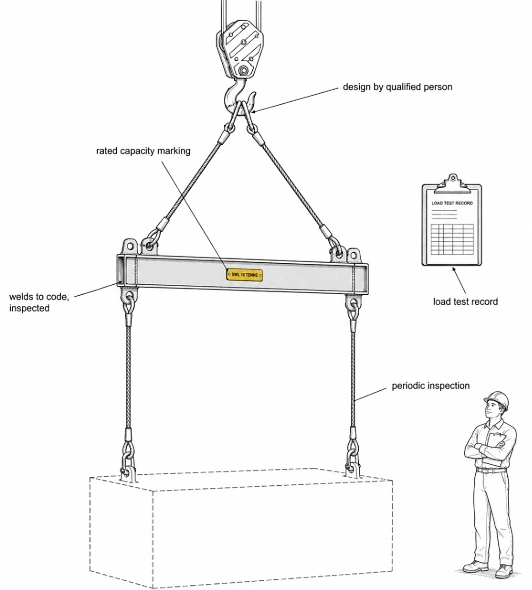
A spreader bar or lifting frame is not just a frame, it’s a regulated device. In the US, below the hook lifters fall under ASME B30.20, which means design by a qualified person, welding to the applicable AWS codes, load testing beyond the rated capacity, and markings plus inspection records that survive an OSHA visit. Custom transport frames and load stabilization assemblies for oversized equipment live in the same world. When a rigger asks for the lifter’s papers before the pick, the fabrication either has them or the crane does not move.
 Decor & Improvement Accessories