

Home & Decor Blogs: DIY, Interior Design & Lifestyle Ideas
Lifespan Freestanding Ice Machine for Long Term Use
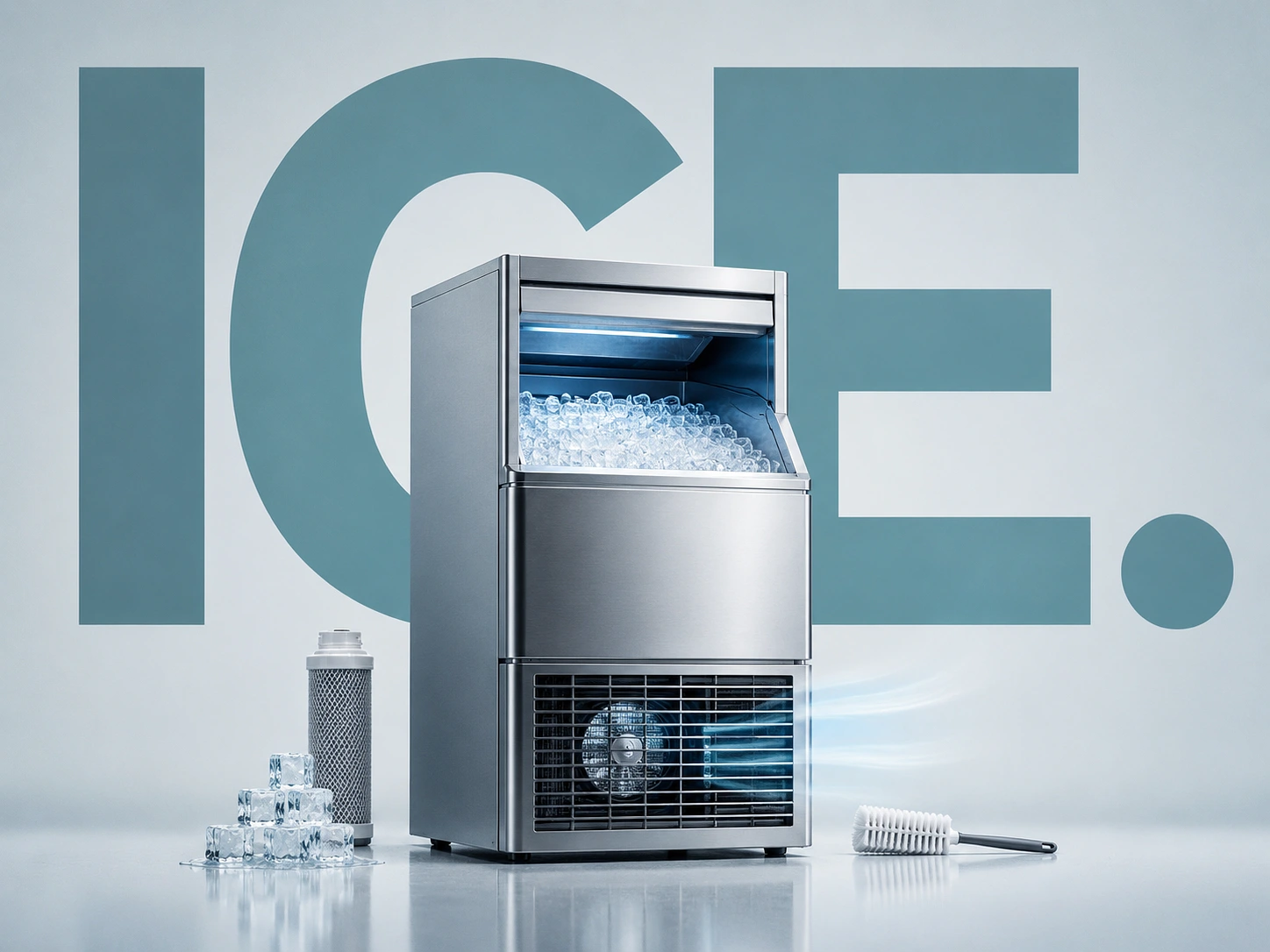
The lifespan of a freestanding ice machine can vary from three to ten years, depending on the quality of the machine, its frequency of use, and the level of maintenance you provide. Consumer-grade units have a tendency to fail after 2-5 years with fair use, while higher-quality, free-standing units used lightly in the home can last eight or ten years.. Commercial machines in cafés and restaurants — running ten or more hours daily — typically last between four and ten years, with well-maintained premium brands like Hoshizaki and Manitowoc regularly exceeding that range. The compressor is almost always what dies first, and what kills it early is rarely a manufacturing defect. It is heat, mineral scale, and restricted airflow, all of which are preventable.
That is the short answer. The longer answer is that “well-maintained” is doing a lot of work in those numbers, and most people overestimate how well they maintain their machine. Lifespan depends heavily on three things most buyers never think about until something goes wrong: water quality, where you put the machine, and how often you actually clean it versus how often you think you clean it.
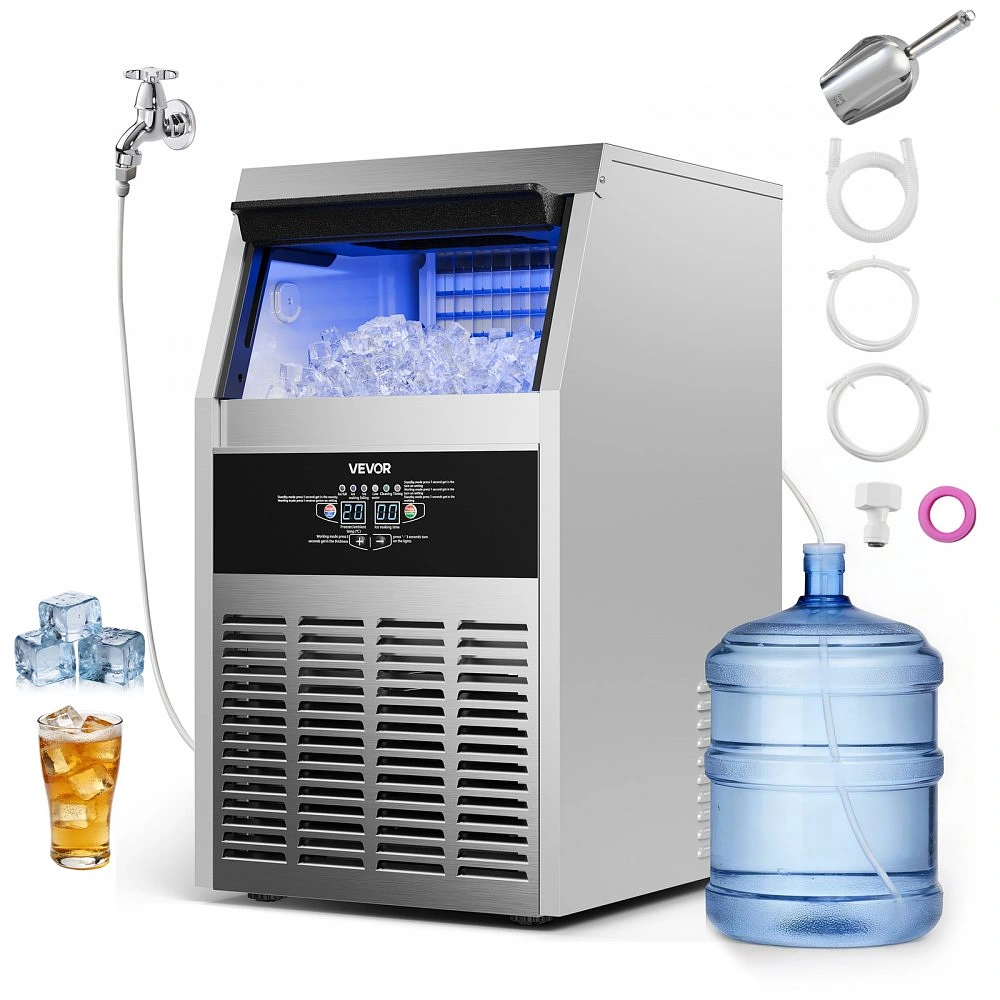
The Compressor Is the Clock — Everything Else Is Replaceable
All other components of an ice machine, including the water pump, evaporator plate, fan motor, and control board, can be replaced with little fanfare. The parts cost ranges from $30 to $150, depending on the model, and a skilled technician can work on it in under an hour.
The compressor is different. It is the component that circulates refrigerant through the system, and when it fails you’re looking at three hundred to six hundred dollars for the part alone, plus labour, plus refrigerant recharge. At that point the math usually tips toward buying a new machine, especially on budget units or anything already five or six years into its life. A compressor replacement is probably still worthwhile on a good compressor, but if you bought a consumer machine for $4 or $5 hundred, shelling out $300 on a compressor repair is a waste because it’s likely to fail again in a year or two.
Thus, one of the questions that people ask is “how long does an ice machine last” which is actually the question of how long can you run the compressor. Which boils down to the amount of work the compressor needs to do each day.
Three things make a compressor work harder than it should:
- Blocked airflow. Freestanding machines vent heat from the condenser, usually through the back or sides. Push the unit against a wall or box it into a tight cabinet and that heat recirculates. The compressor runs longer cycles trying to cool down, and longer cycles mean faster wear. Leave at least fifteen centimetres of clearance on the venting side — not five, not ten, fifteen.
- High ambient temperature. An ice machine sitting next to an oven, in direct sunlight, or in a garage that hits 40°C in summer is fighting physics. The condenser needs to dump heat into air that is cooler than itself. When the surrounding air is already hot, the temperature differential shrinks and the compressor compensates by running harder. This is the number one reason garage ice machines die two to three years earlier than identical units in air-conditioned kitchens.
- Dirty condenser coils. Dust, grease, pet hair — it all collects on the condenser fins and acts as insulation, trapping heat against the coils. Same effect as blocked airflow. A thirty-second brush or vacuum of the condenser every two months adds years to the compressor. Most people never do it once.
Water Quality Is the Slow Killer Nobody Sees Until It’s Too Late
High calcium and magnesium levels (hard water) cause mineral scale on all the surfaces the water comes into contact with. Evaporator plate, water distributor, pump inlet, drain lines. Scale accumulates over time, and the machine lengthens the cycles, thereby increasing compressor strain, to make up for the lost time.
However, you can see the early signs of trouble in the ice itself, before the machine has a problem. Cloudy ice, smaller cubes than usual or misshapen or fused cubes all indicate mineral buildup on the evaporator plate where the ice is actually formed.
How hard is too hard? Anything above 7 grains per gallon (roughly 120 ppm) starts causing noticeable scale buildup within six months without treatment. Most municipal water in the US falls between 3 and 10 grains depending on the region. Well water is often higher. You can test yours with a five-dollar strip kit from any hardware store.
The fix depends on how hard your water actually is. An inline carbon or sediment filter on the water supply line costs twenty to forty dollars and takes ten minutes to install — it handles sediment, chlorine, and taste, and for moderately hard water that is often enough. Change the cartridge every 6 months. However, if your water level is over 10 grains or you are on well water that has a significant amount of minerals, a basic carbon filter will not prevent scaling. Any of this requires a special scale-inhibiting filter or a reverse osmosis filter system, which is more expensive but treats the calcium and magnesium. Most buyers start with the cheap carbon filter because the machine works fine without anything — for the first year or two. By the time scale becomes visible on the evaporator plate, it has already been building inside the water lines for months.
The Cleaning Schedule That Actually Matters
Every ice machine manual says “clean regularly.” None of them define what regularly means in a way that is actually useful, so here is what matters and when.
Every two weeks: Remove all ice from the bin, or if the machine has a cleaning cycle, run the cycle, or wipe the inside walls and the ice bin with a solution of warm water and a tablespoon of white vinegar. This helps avoid the growth of bio film – the slimy pink or grey film that builds up on damp plastic. Biofilm is not cosmetic, it contains bacteria that impacts on the taste and safety of ice.
Every two months: Vacuum or brush the condenser coils. Pull the machine out from the wall if needed. This takes thirty seconds and directly extends compressor life.
Every six months: Descale the water system. Most machines have a dedicated cleaning mode where you run a food-safe descaling solution through the water circuit. Citric acid-based descalers are the standard. Run the cycle, flush with clean water twice, discard the first batch of ice after cleaning.
Once a year: If you have an inline water filter cartridge, replace it. Look for any slow leaks in the water supply line connections. Check drains for obstructions: Over time, mineral sediments and biofilms build up in the drain, and if the drain becomes clogged, water will tend to collect inside the machine where it is not supposed to sit
That is the full list. It sounds like a lot written out but in practice it is maybe fifteen minutes every two weeks, five minutes every two months, and half an hour twice a year.
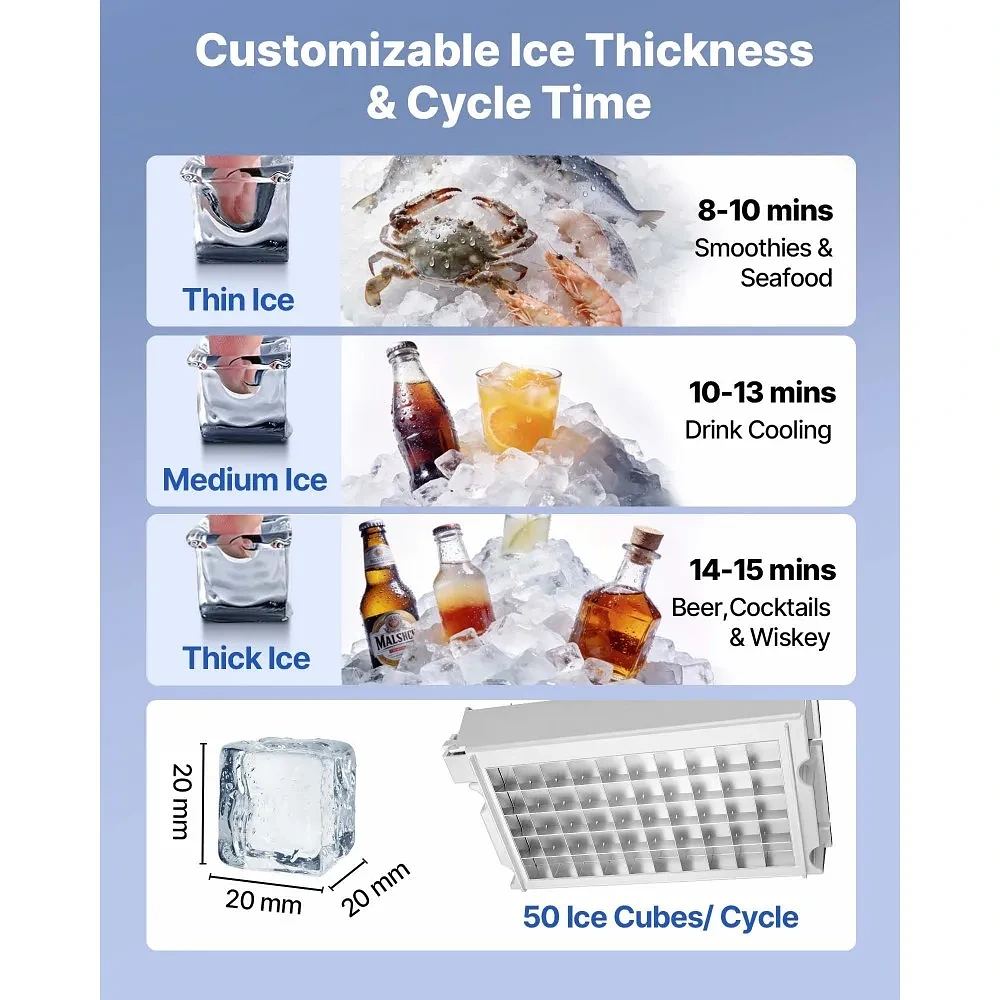
Do You Actually Need 120 Pounds of Daily Production?
Probably not, if you are buying a home. But the production number on the box is misleading anyway, so it is worth understanding what it actually means.
If a 120 lb ice maker machine/day or 54 kg/day, it has been tested at a certain ambient temperature (typically 21°C) and a certain water inlet temperature (typically 10°C). For the real world in your kitchen, in your garage, or in your outdoor bar, where the air is 30°C, and the water is warmer than the test spec, the real production is 20% to 30% lower. The machine was 120 lb in a hot garage and might give 80-90 lb in practice.
What does a household actually use? A rough guide:
- A couple with occasional guests: 3 to 5 lb per day. A countertop unit handles this easily.
- A family of four to six with regular entertaining: 8 to 15 lb per day. A small freestanding unit at 25 to 40 lb daily capacity is more than enough.
- A home bar or outdoor kitchen used for weekend parties: 20 to 40 lb on event days, close to zero on weekdays. A mid-range freestanding unit at 40 to 60 lb capacity covers this comfortably.
- A café, bar, or restaurant: 50 to 120+ lb per day depending on covers. This is where a lifespan freestanding ice machine rated at 100 to 120 lb daily output starts making sense, because the machine runs for extended hours and the higher capacity means it is not maxed out every cycle, which reduces compressor strain and extends service life.
Oversizing slightly is fine and actually better for the compressor — a machine running at seventy percent capacity wears slower than one running at a hundred percent all day. But buying a 120 lb commercial unit for a family kitchen that uses ten pounds a week is wasted money on purchase price, electricity, and counter space.
Where to Put It So It Lasts
Placement is not a style decision, it is a durability decision. Three rules that cover most situations:
Keep it out of direct heat sources. In the oven room, under a window that receives afternoon sun, in an unshaded outdoor kitchen — these all put extra pressure on the condenser. The compressor is the one which suffers. It’s best to be an air-conditioned indoor space. Shade the machine and ensure the temperature around the exterior of the machine does not exceed 35°C on a regular basis if the machine is to be kept in a garage or outdoor area.
Hard, level surface. An ice machine is placed on a floor which is not level and it shakes during the compressor cycle. Over time, vibration can cause internal connections to become loose and generate a noise which increases with its age. Adjustable feet (if they are provided on the machine) are used if the floor is not level.
Near a drain if possible. Ice machines that are free standing generate meltwater which must be disposed of somewhere. Each unit may or may not be equipped with a self contained evaporation system, though many will need a gravity drain or drain pump. It is easier to install the machine close to a floor drain or sink drain as this will prevent water accumulating around the base, which can cause rust on less expensive housing, and mould under the machine.
The Signs That Tell You Maintenance Is Overdue
You do not always need a technician to know something is off. These are the signals most people ignore until the problem gets expensive.
Ice is cloudy or white in the centre. That is trapped air and minerals. The evaporator plate has scale buildup, or the water supply has gotten harder. Descale the system and check whether you need a filter.
Cubes are now reduced in size. The machine is not going through full freeze cycles before ice release. May be caused by a dirty evaporator, low refrigerant, or ambient temperatures too high. First, clean — if the cubes remain small after the cleaning, please contact a technician.
The machine is running but bin is not filling. Production has dropped. First check the condenser coils — dust can reduce output significantly. If the coils are clean, refrigerant charge may be low indicating a leak in the sealed refrigerant system.
Water under or collect under machine. Clogged drain line, leaky water line, or a leaky drain pan. Standing water under an ice machine hastens corrosion of all metal parts which come into contact with it, so catch this in the early stages.
The compressor keeps operating without turning off. This is the costly signal. The condenser may not be able to release heat quickly enough (air flow problem, dirty coils, or high ambient temperature) or the refrigerant may be low. If cleaning the coils and better ventilation do not resolve it in a day, each hour it continues to run like this, the compressor is being damaged.
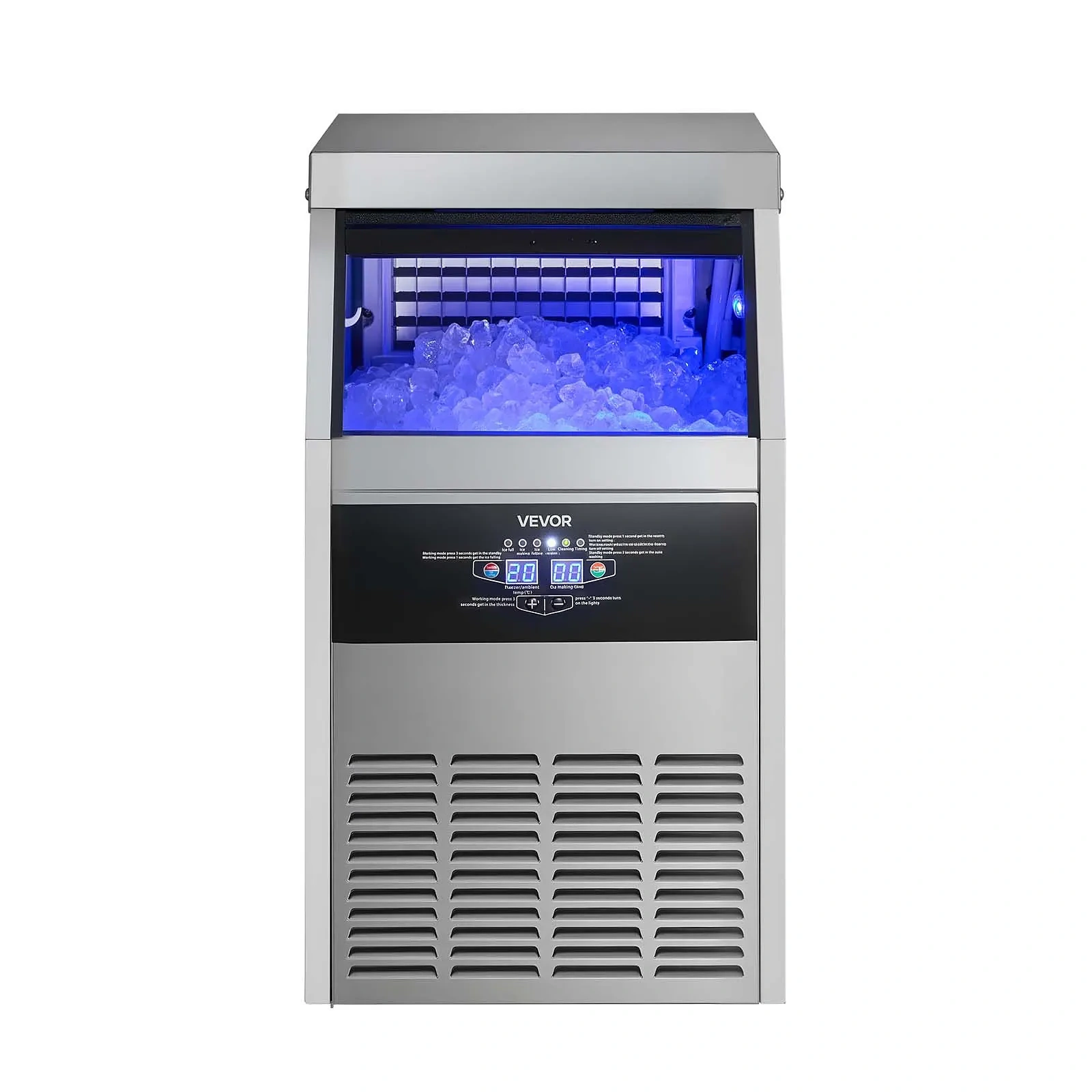
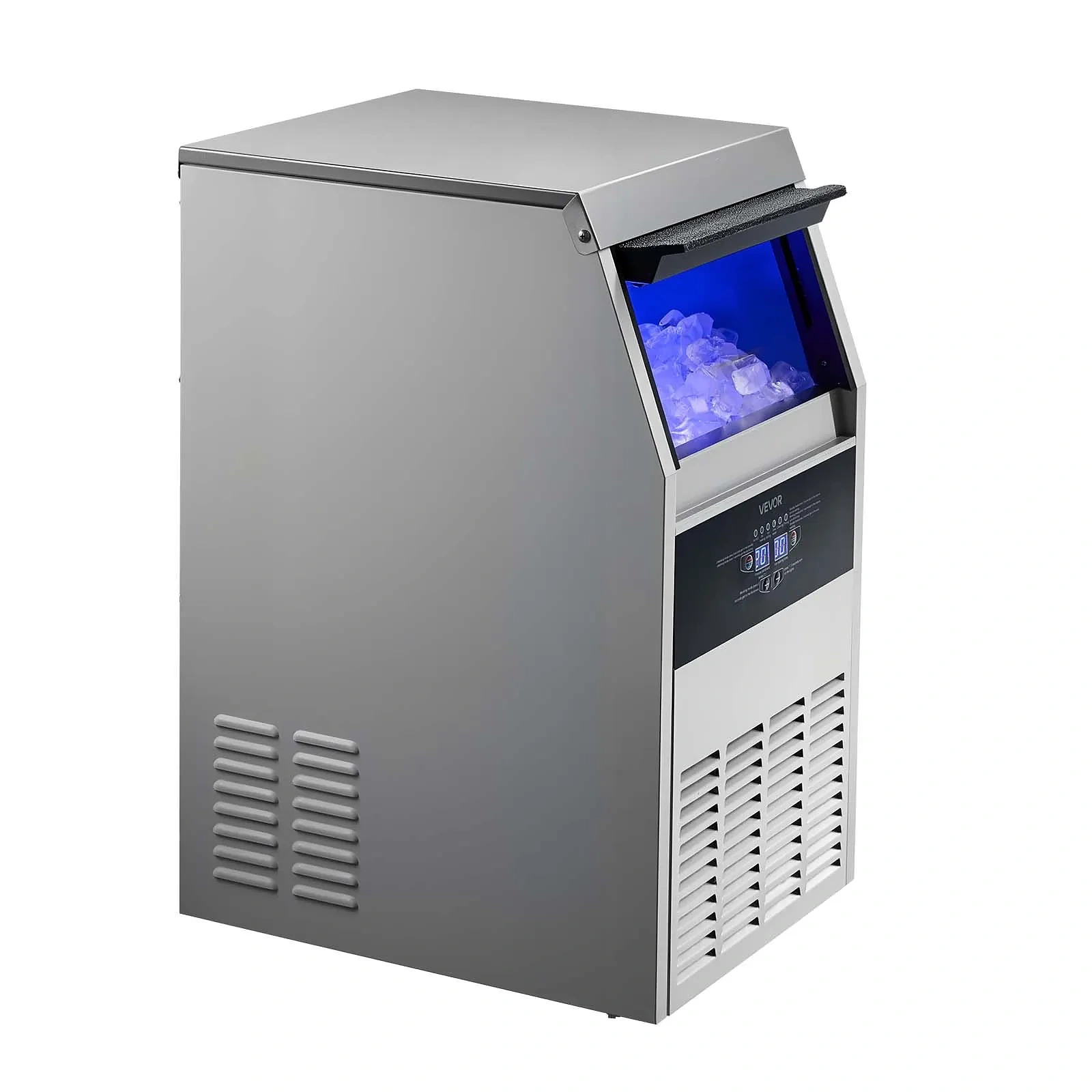
An ice machine is not complicated equipment but it is one of those appliances where the gap between a maintained unit and a neglected one is enormous — eight to ten years versus three to four, for the exact same machine. Brand matters too, a budget unit is never going to match a Hoshizaki or Manitowoc on longevity even with perfect care, so factor that into the purchase decision and not just the sticker price. The buyers who get the long end of that range are not doing anything difficult, they are just doing the boring stuff consistently. Clean the coils, filter the water, give it room to breathe. That is basically the whole job.

 Decor & Improvement Accessories