
Home & Decor Blogs: DIY, Interior Design & Lifestyle Ideas
Roof Moss in Seattle: What Actually Removes It, What Wrecks Your Shingles, and When the Roof Is Already Too Far Gone

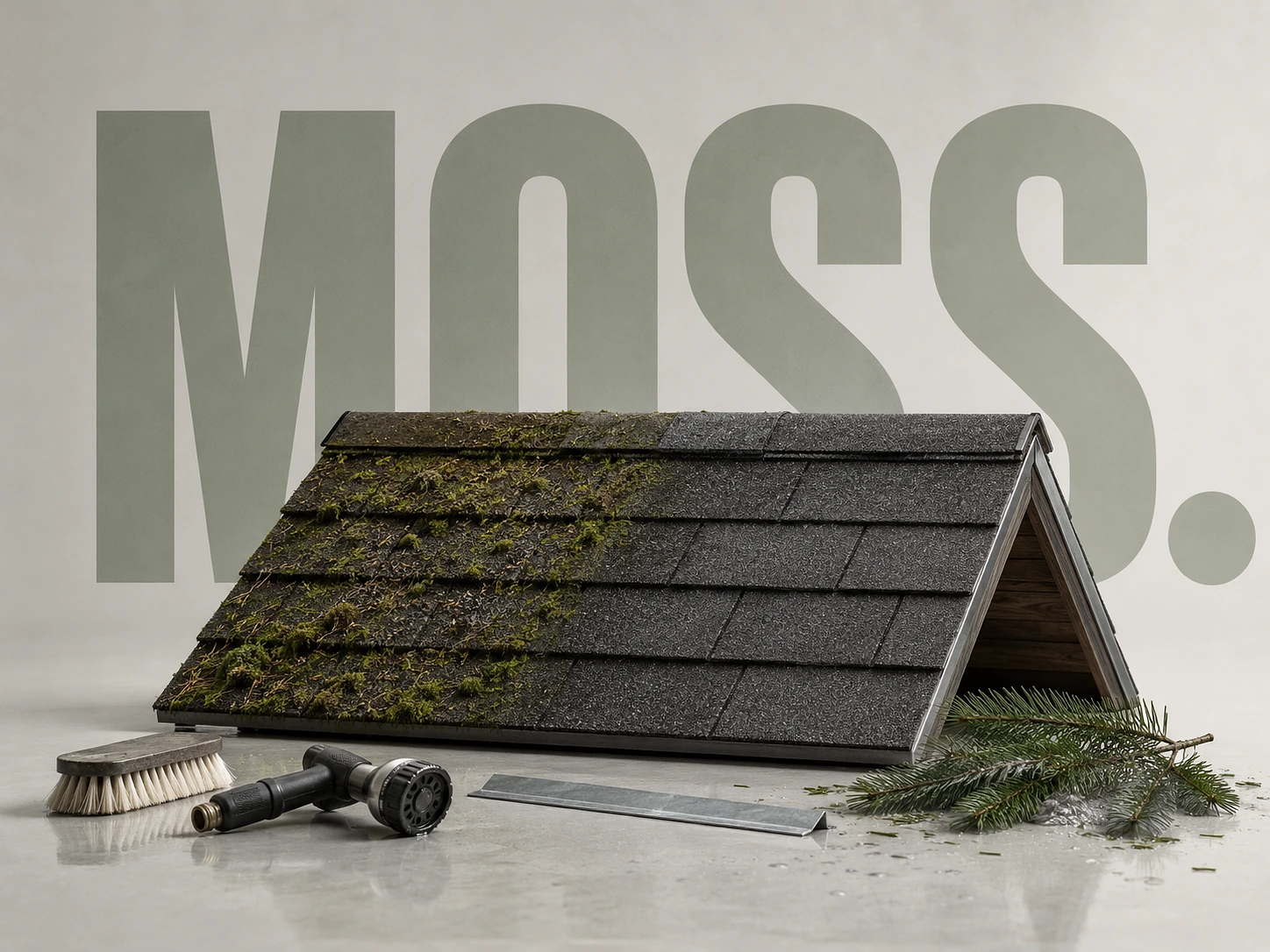
Professional moss removal in Seattle runs $300 to $600 for a standard residential roof. Chemical-only treatment, without physical removal, costs $75 to $200. Zinc strip prevention installed yourself runs $75 to $150 in materials. Ignore it entirely and you can cut your roof’s lifespan by five to ten years and end up needing a full replacement north of $5,000.
Those are the numbers. Now this is where it’s really important — most homeowners choose the wrong removal method, cause more damage to their shingles than the moss did, and end up paying twice.
Pressure Washing Destroys Asphalt Shingles and Every Roofer in Seattle Knows It
That’s the one thing most people do wrong, and the reason it keeps happening is that it appears to work. You blast the moss off, the roof looks clean, and you think the job is done.
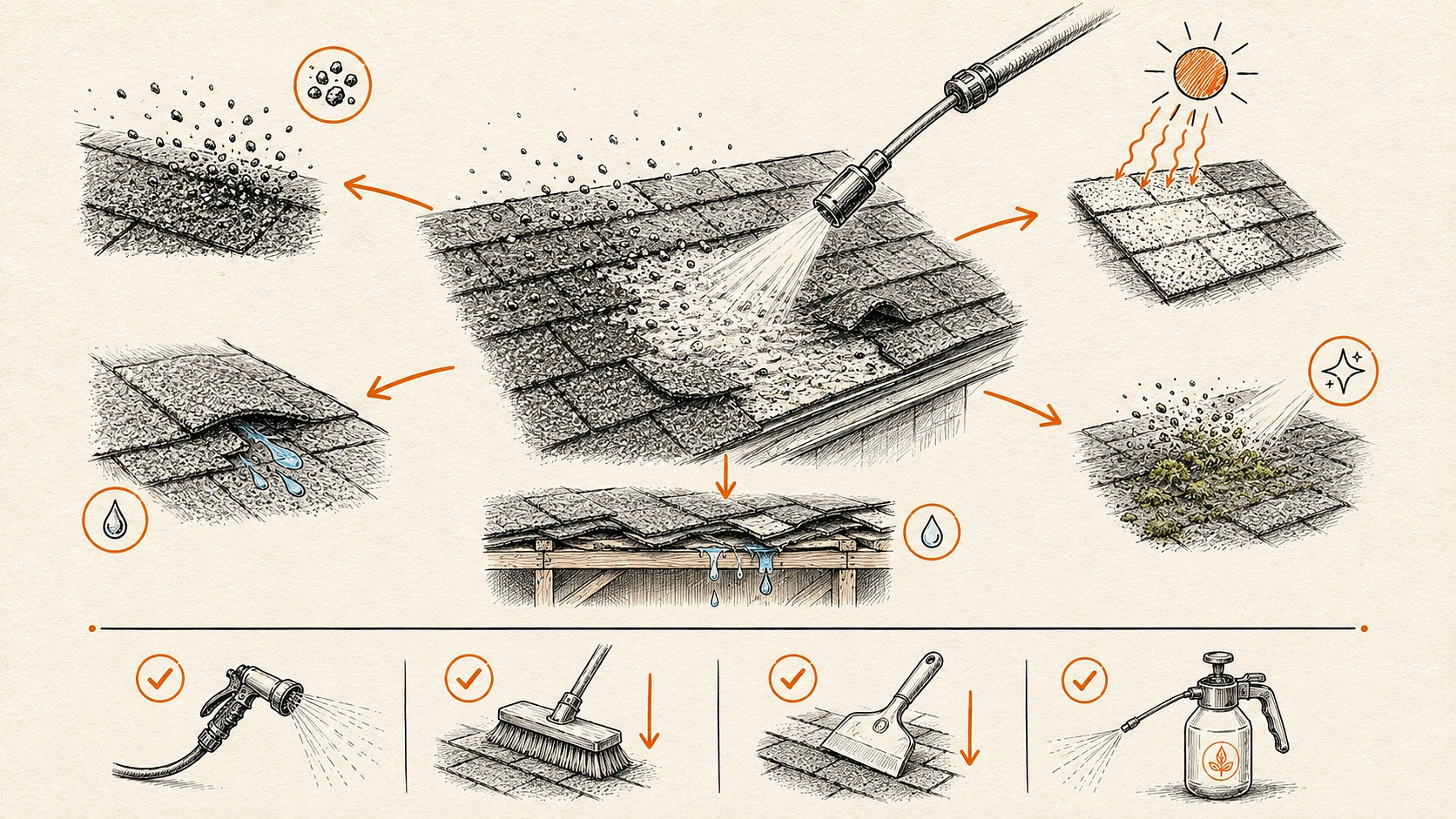
What really happened: the high-velocity stream — generally anything more than 1,500 PSI — blew the protective granules off your asphalt shingles. Those granules are what block UV radiation and shed water. Without them, the shingle is just exposed asphalt felt, and in Seattle’s rain, it begins absorbing moisture almost immediately. That’s exactly why the Asphalt Roofing Manufacturers Association states it is not advisable to pressure wash asphalt shingles. Shingle manufacturers will refuse warranty claims if it can be determined that your roof was damaged by a pressure washer.
The water pressure also raises the edges of the shingles and destroys the adhesive bond between rows. A broken seal is a way for water to seep underneath the next time it rains, and in Seattle that’s most of the time. So you removed the moss and in the process created six new leak entry points.
Alternatively, use a garden hose with a spray nozzle rated at 40 to 60 PSI and a soft-bristle brush or a plastic scraper that works downward with the grain of the shingles, rather than upward against the edges. Or bypass the physical removal altogether and proceed straight to chemical treatment, which is the preferred approach of most Seattle roof cleaning companies today.
Soft Wash Chemical Treatment Is What the Professionals Use and Why
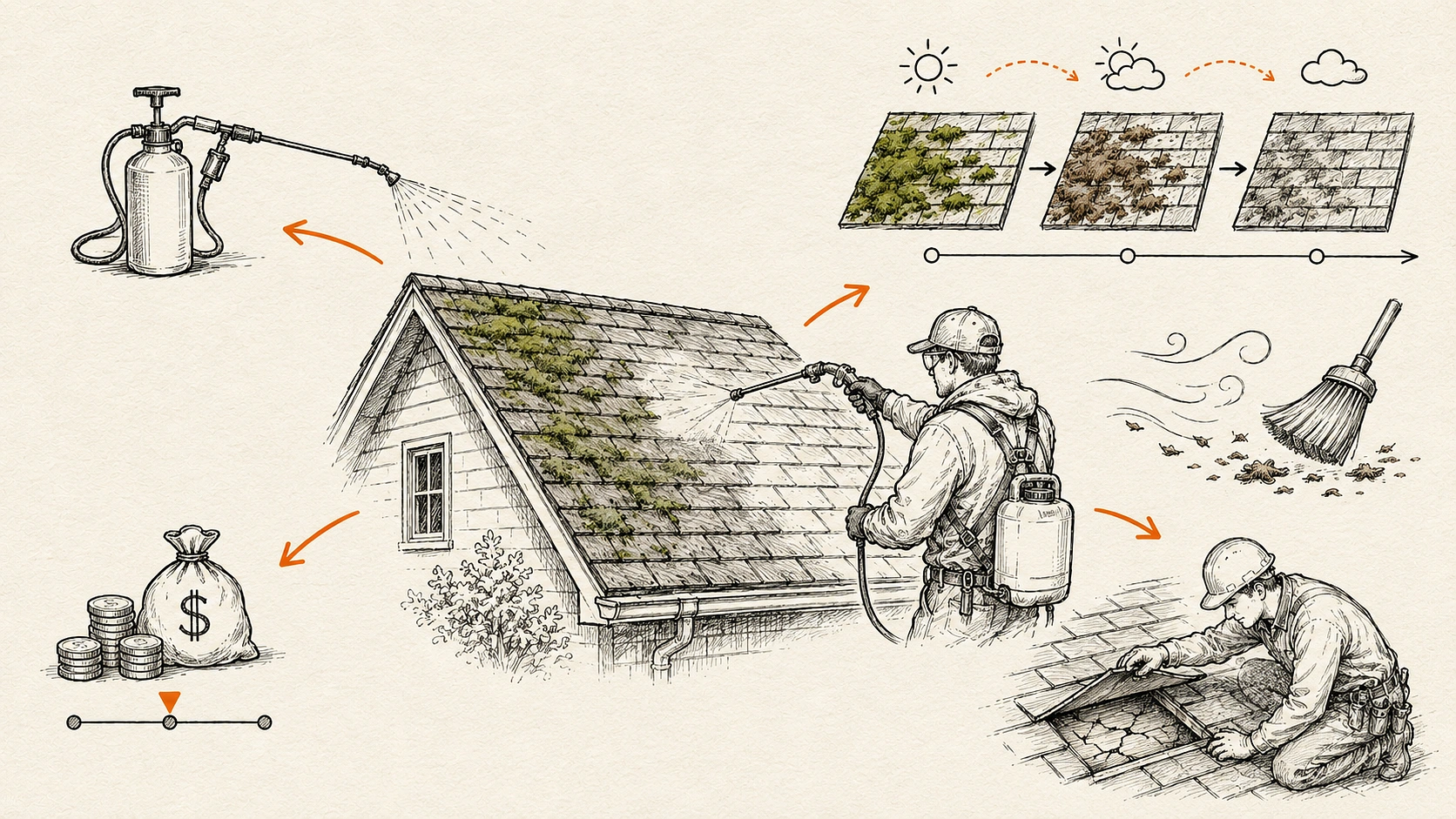
The majority of Seattle roof cleaning companies have stopped using high-pressure methods and now employ what’s known as soft washing — spraying the roof with a zinc-based or sodium percarbonate solution at low pressure, letting it sit, and allowing it to kill the moss over a few days to a couple of weeks. The moss dies, dries up, and either blows off naturally or gets gently brushed off during a follow-up visit.
This costs about $300 to $600, depending on the size of the roof, the pitch, and the thickness of the moss. Some companies offer yearly maintenance contracts — one local firm charges $329 a year for recurring treatment and gutter clearing, which makes more financial sense than paying $549 or more for a one-time deep clean every few years, after the moss has had time to work its way into the shingles.
Does the chemical actually kill it? Yes. Zinc sulfate and sodium percarbonate both disrupt the structure of moss on contact. Within a week the moss turns brown, dries out, and no longer adheres to the shingle surface. Most soft wash providers offer warranties of anywhere from one to five years, depending on your roof’s exposure — north-facing slopes under heavy tree canopy will regrow faster than south-facing sections that get direct sun.
The fair warning: chemical treatment eliminates moss but does not repair the damage the moss already caused. If the moss has been sitting for years and the shingles underneath have already started to lift, crack, or lose granules from root penetration, killing the moss just exposes the damage that was hiding under it. That’s the point where you need a real roof inspection, not just a cleaning.
When the damage underneath is uncertain and you’re not sure whether treatment is enough or the shingles need replacing, that’s when finding the best roofing company Seattle has to offer becomes worth the effort — because a roofing firm and a roof cleaning crew are dealing with different problems. The cleaner sees what’s on the surface. The roofer sees what’s underneath it.
Zinc Strips: They Work but Not the Way Most People Install Them
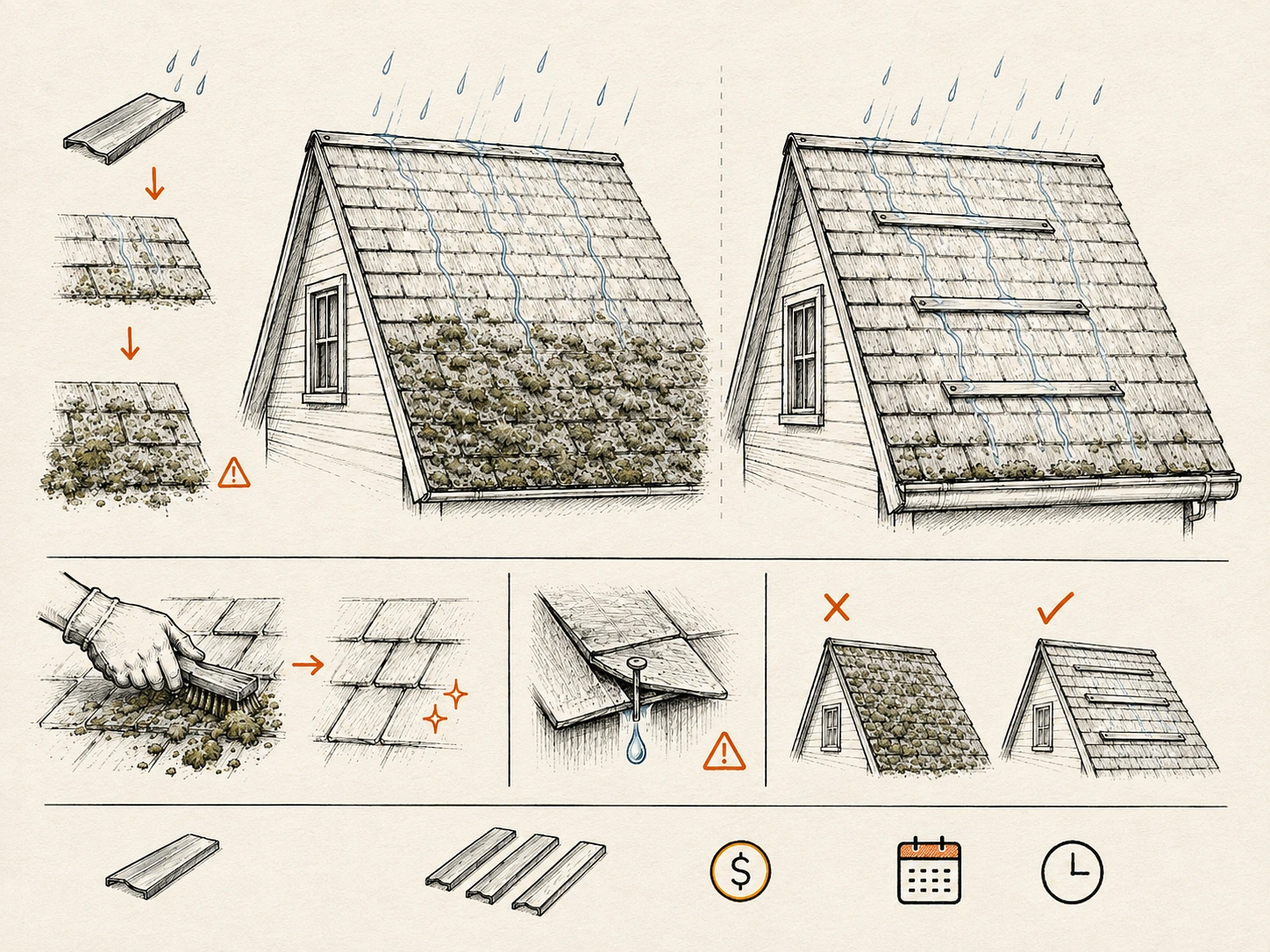
Zinc strips are thin rolls of zinc metal that you nail along the roof ridge. When rain hits them, zinc ions leach into the runoff and wash down the roof, creating a chemical environment where moss cannot grow. The science is real. The University of Washington’s horticultural library verifies that zinc strips suppress moss growth when they’re installed correctly and combined with physical removal of the existing moss first.
Here’s the problem — “installed correctly” means a strip every three feet from the ridge down to three feet above the gutter line. The majority of homeowners attach one strip at the ridge and assume the zinc will wash all the way down a twenty-foot roof slope. It will not. The concentration of zinc ions decreases with distance, and by the time the runoff reaches the lower third of the roof it’s too dilute to prevent anything.
The other issue that goes unmentioned at the outset. The Asphalt Roofing Manufacturers Association has flagged that installing zinc strips requires either nailing through the asphalt shingles or breaking the shingle seal to slide the strips underneath. Both methods create potential leak points. On a roof already compromised by moss damage, adding nail holes is a precarious deal.
Cost and lifespan:
- DIY zinc strip installation: $75 to $150 in materials for a standard residential roof.
- Professional installation: $200 to $400, labor included.
- Effective lifespan: one to five years per strip, depending on rainfall volume and moss severity. The heavier the rain, the faster the zinc dissolves, which means in Seattle’s climate the strips deplete faster than they would in a drier region.
- Z-Stop brand strips (99.2% pure zinc, 2.5 inches wide, 50-foot rolls) have been on the market since 1984 and are the most widely referenced product in this category.
When zinc strips make sense: on a new or recently cleaned roof as prevention, not as treatment for an existing moss problem. Don’t think of them as a substitute for cleaning — they’re a maintenance layer after it.
The Tree Canopy Problem That Keeps the Moss Coming Back
You can clean the roof, treat it with chemicals, install zinc strips and do everything right, and the moss will reappear within a year or two if the conditions that grew it in the first place haven’t changed.
Moss requires three things to grow: moisture, shade, and some organic debris to anchor into. You can’t control the moisture in Seattle — that part comes with the territory. But shade and debris almost always come from the same source: trees overhanging the roof, or growing close enough to block direct sunlight from reaching the shingles.
The worst combination in this climate is north-facing roof slopes under tree canopy. They get the least direct sun, stay damp the longest after rain, and collect falling leaves and needles that create a bed of decomposing organic matter for moss to root into. The north side can turn green every season while the south side of the same house stays completely clean for years.
The single most cost-effective long-term prevention is pruning back overhanging branches — enough to let four to six hours of direct sunlight hit the roof surface daily. It doesn’t eliminate moss entirely, but it slows regrowth dramatically, which stretches the interval between professional cleanings from every two years to every four to six. At three hundred to six hundred dollars per cleaning, that’s real money over the life of a roof.
When Treatment Is a Waste of Money and You Need New Shingles
At some point, cleaning and treating a moss-damaged roof is just spending money on a surface that has already failed underneath.
Signs the shingles are past treatment:
- Shingle edges are visibly curled or lifted and don’t lie flat even after moss removal.
- Bare patches where granules are completely gone, exposing dark asphalt felt underneath.
- Soft or spongy spots on the roof deck when you walk on it — that’s rot in the plywood underneath, not just surface wear.
- Water stains on interior ceilings or walls, which means moisture has already worked through the shingle layer, through the underlayment, through the decking, and into the living space.
If you’re seeing two or more of those, chemical treatment is cosmetic at best. The shingles have lost their waterproofing ability and no amount of moss removal changes that. A full residential roof replacement in Seattle ranges from $5,000 for a basic asphalt reshingle on a small home up to $15,000 or more for larger properties or premium materials.
The challenging part is knowing whether you’re at the treatment stage or the replacement stage, because from the ground both look like “there’s moss on the roof.” That distinction requires someone walking the roof and checking shingle integrity section by section — not just looking at it from the driveway and quoting a cleaning price.
Moss on a Seattle roof is not a question of if but when, and the only variable you actually control is how long you let it sit before doing something about it. Every season it stays is a season of moisture sitting against shingle surfaces, roots working into granule layers, and debris packing into gutters. The cleaning itself is not complicated or particularly expensive. The damage from waiting is both.
 Decor & Improvement Accessories